


Ruegg Rollers and Ruegg Cable Rollers: Reliable Cable Guidance for Field Work
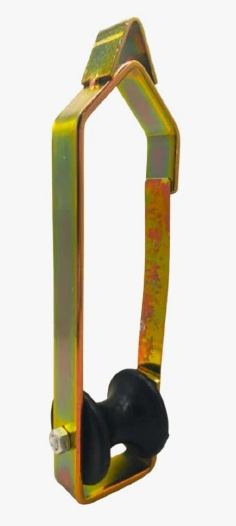
Cable installation projects require equipment that can guide cable smoothly while helping reduce unnecessary friction, snagging, and wear. Whether a crew is working with fiber optic lines, telecommunications cable, or utility cable, the right roller can make installation more organized and efficient. Ruegg rollers are designed for cable-guidance applications and are available in different sizes and mounting styles to accommodate various project requirements.
Ruegg cable rollers are particularly useful for overlash and cable installation work. The manufacturer offers multiple configurations, including slap-on rollers, slide-stop designs, dual rollers, and larger rollers for heavier cable applications. Selecting the right configuration starts with understanding the cable size, installation environment, and method being used.
What Are Ruegg Rollers?
Ruegg rollers are cable-guidance components designed to help installers move cable smoothly during field operations. Instead of allowing cable to drag directly across surfaces or catch on obstacles, a roller provides a guided path that can reduce unnecessary contact.
Ruegg MFG states that its cable rollers have been manufactured in the United States since 1990 and are used in telecommunications and utility applications. The company offers multiple roller sizes and mounting configurations.
Different jobs can require different roller dimensions. A smaller roller may be suitable for smaller cable, while a heavier-duty design may be preferable when working with larger cable diameters.
Understanding Ruegg Cable Rollers
Ruegg cable rollers are available in several configurations. For example, the RO100 is a 1-inch plastic roller designed to help prevent cable from catching or snagging. The manufacturer also offers 2-inch and 3-inch options for larger cable applications.
The choice between models should be based on the cable diameter and installation conditions. Using a roller that is appropriately sized for the cable can make handling easier and provide a smoother path during installation.
For projects involving multiple cables or specialized routing situations, dual or other specialized configurations may provide additional flexibility.
Why Cable Guidance Matters
Cable installation can place significant stress on materials when cables are dragged across rough surfaces or pulled around obstacles. A properly positioned roller can help guide the cable and reduce direct contact with surfaces.
This can be especially important for fiber optic and telecommunications projects, where cable handling needs to be carefully managed.
A roller does not replace proper installation techniques. Crews should still follow cable manufacturer's recommendations, observe appropriate pulling practices, and use equipment suitable for the specific project.
Choosing the Right Roller Size
Cable diameter is one of the most important factors when selecting a roller. Smaller rollers are designed for smaller cables, while larger rollers can accommodate larger cable diameters.
Ruegg's catalog includes several options, including 2-inch, 3-inch, and 4-inch rollers, along with other specialized designs.
Before purchasing, determine the maximum cable diameter involved in the project. It is also useful to consider whether the roller will be used for straight-line pulling, overlash work, or another installation method.
Buying Cable Rollers Online
For contractors and utility crews, the ability to buy cable rollers online can make equipment procurement faster and more convenient. Online catalogs allow buyers to review available sizes, configurations, prices, and product descriptions before placing an order.
When purchasing online, pay close attention to product specifications rather than choosing solely by appearance or price. Confirm the roller diameter, cable capacity, mounting method, and intended application.
For example, Ruegg currently lists individual cable roller products through its online catalog, including several models designed for different cable sizes.
Evaluating Quality and Durability
Cable rollers used in professional environments may experience repeated handling and exposure to demanding working conditions. Durability is therefore an important consideration.
Look for products made from materials appropriate for the intended application. Also consider whether the manufacturer provides support, replacement components, or warranty coverage.
Ruegg states that its cable rollers carry a limited lifetime warranty and are manufactured in Massillon, Ohio.
Bulk Purchasing for Contractors
Contractors working on large telecommunications or utility projects may need multiple rollers rather than a single unit. Buying in larger quantities can simplify equipment preparation and ensure crews have enough rollers available throughout a project.
Ruegg also advertises wholesale and bulk purchasing options for cable rollers.
Before placing a bulk order, calculate the number of rollers needed and confirm that the selected configuration works for the entire project.
Practical Installation Considerations
The roller itself is only one part of a successful cable installation. Proper placement is equally important. Rollers should be positioned where they can effectively guide the cable and reduce contact with potential snag points.
Inspect equipment before use and replace damaged components when necessary. Crews should also use appropriate personal protective equipment and follow established jobsite safety procedures.
Final Thoughts
Ruegg rollers provide a range of cable-guidance options for telecommunications, fiber optic, and utility applications. With multiple sizes and mounting styles available, contractors can select equipment based on cable diameter and project requirements.
For professionals who need dependable cable-guidance equipment, Ruegg cable rollers can be a practical component of a well-prepared installation system. When you buy cable rollers online, compare specifications carefully and choose products that match the cable size, installation method, and working environment.

