


How Eye Exams Can Detect Health Problems Early
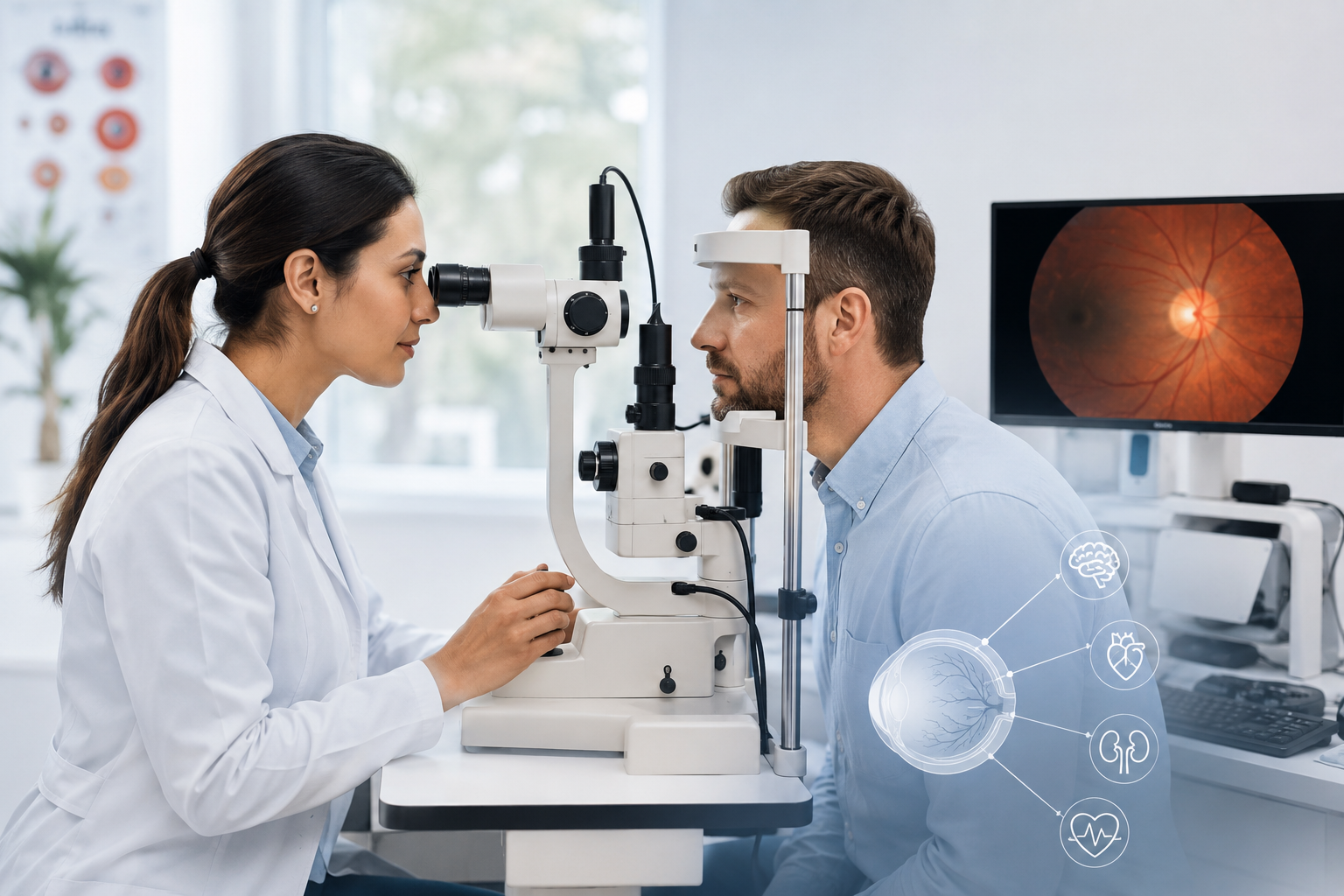
Your eyes can reveal more than how well you see. During a comprehensive eye examination, an eye care professional can examine structures such as the retina, blood vessels, optic nerve, and other parts of the eye for signs of disease. In some cases, these findings may point to health conditions that require further medical evaluation.
This is one reason routine eye care is important even when your vision seems normal. Many eye diseases develop without noticeable symptoms in their early stages. A comprehensive, often dilated, eye exam can help identify changes before they lead to significant vision loss.
For people searching for an Eye Exam Fort Wayne, understanding what an examination can reveal may make it easier to recognize why regular eye care matters.
What Happens During a Comprehensive Eye Exam?
A comprehensive eye exam involves more than reading letters from an eye chart. Depending on your age, symptoms, risk factors, and medical history, an eye care professional may perform several tests.
These can include:
- Visual acuity testing: Measures how clearly you see at different distances.
- Peripheral vision testing: Checks your ability to see objects outside your direct line of sight.
- Eye pressure measurement: Helps assess risk factors associated with glaucoma.
- Pupil testing: Evaluates how the pupils respond to light.
- Eye movement testing: Checks how well the eyes work together.
- Retinal examination: Allows the eye care professional to inspect the retina and blood vessels.
- Dilation: Eye drops widen the pupils so the inside of the eye can be examined more thoroughly.
A dilated examination can help identify conditions such as diabetic retinopathy, glaucoma, and age-related macular degeneration.
Eye Exams and Diabetes
Diabetes can affect the small blood vessels supplying the retina, the light-sensitive tissue at the back of the eye. This can lead to diabetic retinopathy, which may cause vision loss.
One important challenge is that diabetic retinopathy can have no symptoms during its early stages. A person may therefore feel that their eyesight is fine while changes are already occurring in the retina.
During a dilated eye examination, an eye care professional can look for abnormal blood vessels, bleeding, swelling, and other retinal changes associated with diabetes.
People with diabetes should follow their healthcare professional's recommendations for eye examinations. The National Eye Institute advises people with diabetes to have a comprehensive dilated eye exam at least once a year, although individual schedules can vary.
Signs Associated With High Blood Pressure
High blood pressure can affect blood vessels throughout the body, including those in the retina. Changes in the retinal blood vessels may sometimes provide clues that a person has hypertension or that their blood pressure is affecting their health.
An eye examination does not replace blood-pressure testing or a medical diagnosis. However, findings during an examination may prompt an eye care professional to recommend that a patient discuss possible cardiovascular risk factors with their primary care provider.
The Centers for Disease Control and Prevention notes that eye exams may sometimes identify signs associated with conditions such as high blood pressure and diabetes.
Glaucoma Can Develop Without Obvious Symptoms
Glaucoma refers to a group of diseases that damage the optic nerve, which carries visual information from the eye to the brain. Some forms can progress slowly without noticeable symptoms.
An eye examination can assess several factors relevant to glaucoma, including eye pressure, the appearance of the optic nerve, and visual field function. Additional testing may be recommended when a person is considered at increased risk.
Early identification matters because treatment can help slow or prevent further damage. Once glaucoma causes permanent vision loss, however, that lost vision generally cannot be restored.
Retinal Changes Can Provide Important Clues
The retina contains a network of small blood vessels and specialized nerve tissue. Because these structures can be viewed directly during an eye examination, the back of the eye can provide useful information about ocular and systemic health.
Retinal findings may be associated with conditions such as:
- Diabetes and diabetic retinopathy
- High blood pressure
- Age-related macular degeneration
- Certain vascular abnormalities
- Other diseases affecting the retina or optic nerve
Importantly, an unusual finding does not automatically mean that a person has a particular systemic disease. Further testing by an appropriate medical professional may be necessary.
Why Early Detection Matters
Many health problems are easier to manage when identified before they cause serious complications. Eye examinations can contribute to this process by identifying changes that may otherwise go unnoticed.
For example, a person with early diabetic retinopathy may have no visual symptoms. Detecting retinal changes can allow appropriate monitoring and treatment before more severe vision problems develop. The CDC emphasizes that regular eye examinations can help diagnose diabetes-related eye problems early.
Early detection also provides an opportunity to address risk factors. Depending on the situation, this could include better management of blood sugar, blood pressure, cholesterol, smoking, or other factors affecting eye and overall health.
Who Should Consider Regular Eye Exams?
The appropriate frequency of eye examinations depends on factors such as age, medical history, family history, and existing eye conditions.
People who may require particular attention include those who:
- Have diabetes or high blood pressure.
- Have a family history of glaucoma or other eye diseases.
- Are older and therefore at increased risk of certain age-related eye conditions.
- Have noticed changes in vision.
- Take medications or have medical conditions that may affect eye health.
The National Eye Institute notes that many people over 60, people with certain risk factors for glaucoma, and individuals with diabetes or high blood pressure may need regular dilated examinations. The exact schedule should be determined with an eye care professional.
When Should You Seek an Eye Examination?
Routine examinations are important, but certain symptoms should not be ignored. Seek prompt professional evaluation if you experience sudden or significant changes such as:
- Sudden vision loss
- New flashes of light
- A sudden increase in floaters
- New blind spots
- Significant distortion or blurring
- Difficulty seeing that develops unexpectedly
These symptoms can have different causes, some of which require urgent assessment.
How to Prepare for an Eye Exam
A few simple steps can make an examination more useful:
- Bring a list of current medications.
- Tell the eye care professional about existing medical conditions.
- Mention any family history of eye disease.
- Describe recent changes in your vision.
- Bring your current glasses or contact lens information.
- Ask whether dilation will be necessary and whether you should arrange transportation afterward.
Providing accurate medical and family information helps the eye care professional assess your individual risk factors more effectively.
Conclusion
Eye examinations are about more than determining whether someone needs stronger glasses or contact lenses. A comprehensive examination can reveal early signs of eye diseases and, in some circumstances, findings associated with broader health concerns such as diabetes and high blood pressure.
Because several eye conditions can develop without obvious symptoms, regular examinations can play an important role in protecting vision. For anyone considering an Eye Exam Fort Wayne, the most useful approach is to discuss individual risk factors and appropriate examination intervals with a qualified eye care professional. An eye exam cannot diagnose every health condition, but it can provide valuable information that supports earlier detection, monitoring, and appropriate medical follow-up.

