


Climbing Kilimanjaro: Ultimate Trekking Guide with Tanzania Classic Tours
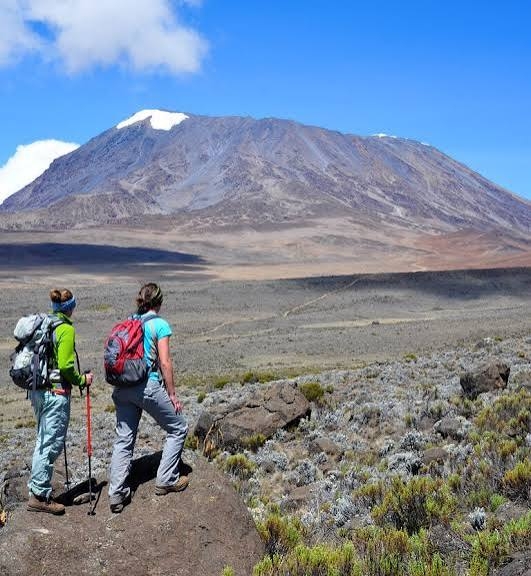
Standing high above the East African plains, Mount Kilimanjaro reaches an astonishing elevation of 5,895 meters (19,341 feet) above sea level. Located in northeastern Tanzania, this impressive mountain is the highest peak on the African continent and the tallest free-standing mountain anywhere on Earth. Unlike many of the world’s major summits, reaching its pinnacle does not require technical mountaineering skills, ropes, or ice axes. However, standing on Uhuru Peak remains a significant physical and mental undertaking that rewards adventurers with views across open skies and ancient glaciers.
When you embark on Climbing Kilimanjaro, you are taking on much more than a standard hiking trip. The expedition journeys through multiple microclimates, transitioning from equatorial rainforests to polar ice caps in a matter of days. To ensure your safety, comfort, and summit success, choosing the right local team is essential. Tanzania Classic Tours provides professional guidance, high-altitude safety standards, experienced local teams, and tailored itineraries that allow you to focus entirely on the trail and the experience.
Whether you are an active hiker or a motivated traveler taking on your first major mountain expedition, proper preparation and route understanding are vital. With Tanzania Classic Tours organizing camp logistics, nutritious meal plans, safety monitoring, and transportation, your focus stays where it belongs: on every step toward the top of Africa.
Understanding Mount Kilimanjaro’s Five Ecological Zones
One of the most remarkable aspects of Climbing Kilimanjaro is the shifting natural landscape. As you ascend, you move through five distinct ecological zones, each with its own climate, flora, and wildlife.
Cultivated Farmlands (800m to 1,800m)
The journey begins on the surrounding lower slopes. This rich agricultural zone receives plenty of rainfall and features fertile volcanic soil. Local Chagga communities farm coffee, bananas, maize, and beans across terraced hillsides. As you travel toward the national park gates, you pass traditional villages and vibrant countryside that give you an authentic glimpse into everyday life in the Kilimanjaro region.
Montane Rainforest (1,800m to 2,800m)
Crossing into the national park, the environment shifts into a thick, humid rainforest. Moss-draped trees, massive ferns, and colorful wild orchids create a dense canopy above the trail. The air is warm and humid, with afternoon showers occurring frequently. Wildlife thrives here; trekkers often spot black-and-white Colobus monkeys swinging through the trees, Blue monkeys near the paths, and a variety of tropical birds. The trails through this zone can be damp and muddy, making sturdy boots and hiking poles helpful right from the start.
Heath and Moorland (2,800m to 4,000m)
Emerging above the tree line, the rainforest gives way to open moorland dominated by giant heather, wild shrubs, and high-altitude plants found only in East Africa. Notable species include Giant Groundsels and Lobelias, which resemble ancient botanical specimens. As the air thins, temperatures drop noticeably, especially after sunset. Clear skies in this zone open up broad views of the surrounding plains below and the mountain peaks above.
Alpine Desert (4,000m to 5,000m)
Ascending further, vegetation thins out until only volcanic rock, scree, and dry soil remain. The Alpine Desert experiences strong solar radiation during the day and freezing temperatures at night. Cold winds blow across the open landscape, and atmospheric pressure drops significantly. Acclimatization becomes the primary focus during this stage of the trek as your body adapts to lower oxygen levels.
Arctic Summit Zone (5,000m to 5,895m)
The final zone covers the crater rim and the summit at Uhuru Peak. Conditions here are stark, icy, and freezing. Massive glaciers and ice cliffs stand beside dark volcanic scree. Available oxygen at this altitude is roughly half of sea-level pressure. Reaching the top requires steady pacing, warm layers, and mental focus. Standing at Uhuru Peak as the morning sun lights up the glaciers is an unforgettable milestone.
Comparing the Best Routes for Climbing Kilimanjaro
Selecting the right trail is a key step in planning your expedition. Tanzania Classic Tours offers itineraries across all official routes, allowing you to choose the path that best matches your timeline, physical readiness, and scenic preferences.
The Lemosho Route
Widely considered one of the most scenic trails on the mountain, the Lemosho Route approaches from the west. It starts with a quiet walk through undisturbed rainforest before crossing the high Shira Plateau. Spanning seven or eight days, Lemosho offers an excellent acclimatization schedule that gradually introduces your body to higher altitudes. Traffic on the trail is light during the initial days, creating a peaceful trekking experience. Its high summit success rate makes Lemosho a top choice for travelers with Tanzania Classic Tours.
The Machame Route
Known as the "Whiskey Route," Machame is one of the most popular options for Climbing Kilimanjaro. Approaching from the southwest, it features dramatic changes in scenery and varied walking paths. Over six or seven days, hikers pass famous landmarks like Lava Tower and the Barranco Wall. The route naturally incorporates the "climb high, sleep low" strategy, helping your body adjust to high elevations. It is a great fit for active hikers who enjoy dynamic trails and rewarding high-altitude camps.
The Marangu Route
Often called the "Coca-Cola Route," Marangu is the oldest path up the mountain and the only one providing wooden sleeping huts instead of outdoor tents. Approaching from the southeast, the trail climbs at a steady, gradual incline. It is typically completed in five or six days. While the permanent huts offer shelter from wind and cold, the shorter five-day version leaves less time for acclimatization. Tanzania Classic Tours recommends taking the six-day itinerary to give your body adequate time to adapt to rising elevations.
The Northern Circuit Route
For hikers looking for a comprehensive mountain journey, the Northern Circuit is the newest and longest route available. Spanning nine days, it circles the quiet northern slopes of the peak, offering 360-degree views and low foot traffic. Because of its extended timeframe and gentle altitude profile, the Northern Circuit provides the highest acclimatization success rate of any trail on the mountain.
The Rongai Route
Approaching from the north near the Kenyan border, the Rongai Route gives a fresh perspective on the mountain. This trail experiences less rainfall than southern paths, making it a reliable option during shoulder seasons. The route winds through quiet wilderness areas where hikers encounter peaceful trails and wide views. It spans six or seven days before connecting with the main summit path near Kibo Hut.
The Umbwe Route
The Umbwe Route is the steepest and most direct trail on Mount Kilimanjaro. Starting from the south, it climbs quickly through dense forest toward the upper camps. Because of the quick elevation gain, it provides less time for acclimatization and requires strong physical stamina and hiking experience. Tanzania Classic Tours recommends this route for experienced trekkers looking for a steep, physical challenge.
Operational Excellence with Tanzania Classic Tours
A successful mountain expedition depends on professional organization, high-quality gear, and experienced guides. Tanzania Classic Tours is a licensed local tour operator dedicated to running safe, ethical, and well-supported climbs.
Certified Lead Guides
The foundation of every safe climb is an experienced leadership team. Tanzania Classic Tours works with licensed, English-speaking local guides who have years of experience leading teams on Mount Kilimanjaro. Lead guides hold certifications in Wilderness First Responder (WFR) protocols, allowing them to assess altitude health and react swiftly to changing conditions. Their understanding of weather patterns, mountain geology, and pacing keeps your team safe throughout the journey.
Proactive Health and Safety Protocols
Safety procedures are built into every day on the trail. Your guide team conducts daily health evaluations every morning and evening, using pulse oximeters to check blood oxygen levels and pulse rates. Guides also track hydration levels, overall energy, and physical recovery. Supplemental emergency oxygen cylinders and complete first-aid supplies are carried on every climb to manage health concerns quickly.
Quality Camp Equipment
Comfortable mountain equipment helps you rest deeply after long hours of trekking. Tanzania Classic Tours supplies sturdy four-season tents engineered for strong mountain winds and freezing weather, along with thick sleeping mats and communal mess tents with tables and chairs. Warm washing water is provided every morning and afternoon so you can stay clean and refreshed during camp stays.
Nutritious Chef-Prepared Meals
Eating well is essential when trekking at altitude. Professional camp chefs prepare fresh, warm meals each day using locally sourced ingredients. Menus are balanced to provide complex carbohydrates, proteins, and warm liquids needed to fuel your body on the trail. Special dietary needs—including vegetarian, vegan, gluten-free, and halal—are easily accommodated with advance notice.
Ethical Treatment of Porters
Porters carry camp equipment, food, tents, and personal gear up the mountain each day. Tanzania Classic Tours follows strict ethical porter standards, ensuring fair wages, proper meal provisions, weight limits on baggage, warm clothing, and dry sleeping quarters. Partnering with an operator that treats its crew fairly ensures your journey directly supports the local Tanzanian community.
Physical Conditioning and Mental Preparation
While technical climbing skills are not required for Climbing Kilimanjaro, building cardiovascular endurance, leg strength, and mental resilience will make your journey far more comfortable and enjoyable.
Building Cardiovascular Fitness
Developing strong heart and lung stamina helps your body process oxygen efficiently in thin air. Focus on aerobic activities like running, cycling, swimming, row machines, or elliptical workouts 3 to 5 times a week. Gradually build up your workout duration to increase your overall endurance.
Hiking with a Daypack
The most practical way to train for a mountain trek is to spend time hiking on natural trails. Seek out paths with uphill and downhill elevation gain. Practice carrying a daypack weighing 6 to 10 kilograms (13 to 22 pounds) containing water, extra layers, and trail snacks. This strengthens your legs, hips, and core while breaking in your hiking boots.
Leg Strength and Core Stability
Strong leg muscles protect your joints during long downhill stretches on loose scree. Add exercises like lunges, squats, step-ups, calf raises, and planks into your weekly routine. Using a stair-climber machine at the gym is also an effective way to simulate climbing steps under load.
Cultivating a Steady Mindset
Mental focus is just as important as physical training. Summit night starts around midnight, requiring you to hike in cold temperatures in the dark for several hours before reaching the rim. Embracing the Swahili mindset of "Pole Pole" (slowly, slowly) keeps your pace measured, conserves energy, and helps you overcome physical fatigue on steep sections.
Essential Gear and Layering Strategies
Temperatures on the mountain vary widely. Lower slopes can be warm and humid, while high camps drop well below freezing. A versatile clothing system allows you to adapt to changing mountain weather.
Layering Your Clothing
-
Base Layers: Moisture-wicking thermal tops and bottoms made from merino wool or synthetic fabric. Avoid cotton clothing because it holds dampness against your skin.
-
Insulation Layers: Mid-weight fleece jackets or lightweight down sweaters that trap body warmth during chilly morning starts and camp rest hours.
-
Outer Shell: Waterproof and windproof jacket and pants (such as Gore-Tex) to protect against rain, snow, and mountain winds.
-
Summit Parka: A heavy down jacket rated for sub-zero conditions to wear during the final push to Uhuru Peak.
Footwear and Trail Accessories
-
Hiking Boots: Waterproof, sturdy boots offering good ankle support. Break them in well before traveling to prevent blisters.
-
Socks: High-quality wool trekking socks combined with thin liner socks to reduce skin friction.
-
Gloves and Hats: Light gloves for warmer days, insulated waterproof gloves for summit night, a wide-brim sun hat, and a warm fleece beanie.
-
Trekking Poles: Adjustable poles that reduce joint stress on long downhill descents.
-
Hydration: A 2-to-3-liter water bladder plus insulated water bottles to prevent freezing during summit night.
Health, Altitude Safety, and Acclimatization
Acclimatization is the natural process through which your body adjusts to lower atmospheric pressure and reduced oxygen levels at high elevations.
Acute Mountain Sickness (AMS)
Mild symptoms of AMS can include light headaches, nausea, minor dizziness, and tiredness. These signs are common and easily managed when caught early. Serious conditions like High Altitude Pulmonary Edema (HAPE) or High Altitude Cerebral Edema (HACE) are rare but require an immediate descent to lower elevations.
Key Practices for Safe Ascents
-
Maintain a Gentle Pace: Walking slowly reduces fatigue and helps your cardiovascular system adapt without overexertion.
-
Drink Plenty of Fluids: Aim for 3 to 4 liters of water every day to support blood circulation and manage altitude headaches.
-
Climb High, Sleep Low: Routes selected by Tanzania Classic Tours include acclimatization walks where you hike higher during the day before sleeping at lower elevations.
-
Eat Regular Meals: High altitude burns calories quickly. Carbohydrate-rich meals prepared by your camp chef provide steady energy.
-
Keep Guides Informed: Communicate openly with your guide about how you feel. Early updates allow your team to adjust your walking pace or provide extra support.
Best Seasons and Times of Year for Climbing Kilimanjaro
Mount Kilimanjaro can be climbed throughout the year, but specific seasons offer drier paths and clearer skies.
January to March
These months bring warm temperatures, clear morning skies, and lower rainfall. Trail conditions are generally dry, offering great visibility across the mountain slopes.
June to October
Matching East Africa’s main dry season, these months deliver reliable trekking weather with low rainfall. Temperatures are cooler, but trails remain firm and clear, making this a popular travel window.
Full Moon Expeditions
Many travelers plan their climb around full moon dates. Reaching the summit rim under the bright light of a full moon reflecting off glaciers and clouds creates a memorable visual setting. Tanzania Classic Tours can help schedule your itinerary around full moon dates.
Post-Climb Adventures: Wildlife Safaris and Zanzibar
After reaching Uhuru Peak, extending your time in Tanzania allows you to discover the country's national parks and coastal islands.
Wildlife Safaris
Tanzania Classic Tours arranges private and group safaris through northern Tanzania. You can explore the vast plains of Serengeti National Park, see wildlife concentrations within the Ngorongoro Crater, or watch elephant herds beside large baobab trees in Tarangire National Park.
Zanzibar Beach Stays
For rest after days on the trail, a short domestic flight takes you to the tropical island of Zanzibar. Relax on white sand beaches, swim in clear waters, tour Stone Town's historic streets, or sample fresh local cuisine along the coast.
Final Thoughts
Climbing Kilimanjaro is a rewarding experience that challenges your strength, introduces you to spectacular natural environments, and leaves you with memories that last a lifetime. Standing atop Uhuru Peak, looking out over the African landscape, delivers a sense of accomplishment that few travel experiences can match.
By choosing Tanzania Classic Tours, you gain an experienced local team dedicated to your safety, comfort, and success. From route selection and daily safety monitoring to camp meals and porter care, every aspect of your journey is handled with professional attention. Take the first step toward your adventure today and experience the majesty of Mount Kilimanjaro.

