


Remote Dosimetrist: Reliable Radiation Treatment Planning Support
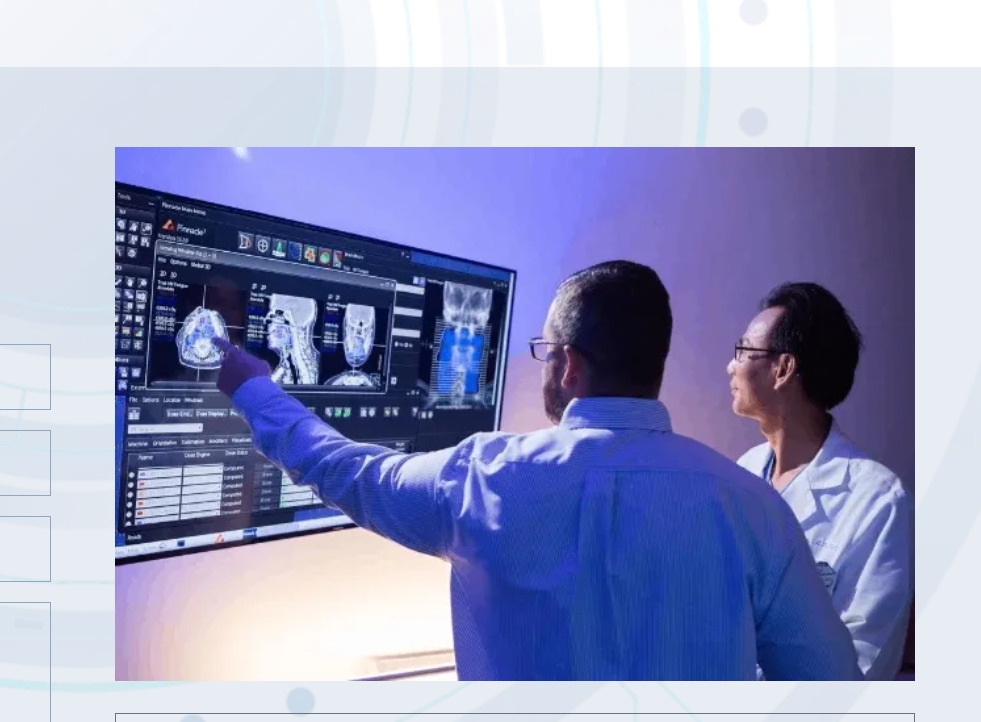
Radiation oncology departments need accurate treatment planning, careful attention to detail, and efficient clinical workflows. A remote dosimetrist can provide valuable support to healthcare teams by helping manage treatment planning requirements without the need for an in-house dosimetrist at every location.
Remote dosimetry allows qualified professionals to work with radiation oncology teams from a different location. This approach can help clinics manage workloads, support busy departments, and maintain access to specialized treatment planning expertise.
What Does a Remote Dosimetrist Do?
A remote dosimetrist works with radiation oncologists, medical physicists, and other members of the radiation therapy team to support the development of treatment plans. Their responsibilities may include treatment planning, plan optimization, dose calculations, and making adjustments based on clinical requirements.
The exact responsibilities depend on the healthcare facility, its workflow, and the type of treatment being planned. Remote support can be especially useful for departments that need additional planning capacity or assistance with specific treatment techniques.
The Role of a Certified Medical Dosimetrist
A certified medical dosimetrist is a professional who has completed the required education, clinical training, and certification process to work in medical dosimetry. Certification demonstrates that the individual has met established professional standards and has the knowledge and skills needed to support radiation treatment planning.
Medical dosimetrists work as part of a multidisciplinary team. They help translate the radiation oncologist's treatment prescription into a practical treatment plan while working closely with medical physicists and other clinical professionals.
When a department works with a certified medical dosimetrist, it can benefit from specialized knowledge and a structured approach to treatment planning.
Why Choose Remote Dosimetry Services?
Remote dosimetry services can offer several practical advantages for radiation oncology departments.
Additional planning support: Remote professionals can help manage treatment planning workloads when the in-house team is busy.
Flexible staffing: Clinics may use remote support to address temporary staffing needs or support ongoing planning requirements.
Specialized expertise: Remote dosimetry can provide access to professionals with experience in different treatment techniques and planning systems.
Efficient workflows: By supporting treatment planning tasks, remote dosimetry can help departments organize their clinical workload more effectively.
The value of remote support depends on the facility's needs, its existing team, and the systems used for treatment planning.
Supporting Modern Radiation Treatment Planning
Modern radiation therapy requires careful planning to ensure that the prescribed dose is delivered to the intended treatment area while helping protect surrounding healthy tissues. Treatment planning techniques such as IMRT and VMAT require detailed attention to dose distribution, treatment objectives, and clinical constraints.
A remote dosimetrist can support these planning activities by working within the department's established protocols and collaborating with the clinical team. This helps ensure that treatment plans are developed according to the requirements of the treating physician and the facility's quality standards.
Remote dosimetry is not a replacement for clinical oversight. It is a way to extend the capabilities of a radiation oncology department while maintaining collaboration with the professionals responsible for patient care.
A Practical Solution for Radiation Oncology Teams
For healthcare facilities looking for additional treatment planning support, remote dosimetry can be a practical option. It allows departments to access qualified professionals, manage workloads, and support their existing clinical teams.
Whether a facility needs ongoing planning assistance or support during periods of increased demand, working with a remote dosimetrist can help provide a more flexible approach to radiation treatment planning.
If your department is looking for experienced remote dosimetry services, working with a qualified certified medical dosimetrist can help support your treatment planning needs and clinical workflow.

