


How to Invest in Dubai Real Estate: A Complete Guide
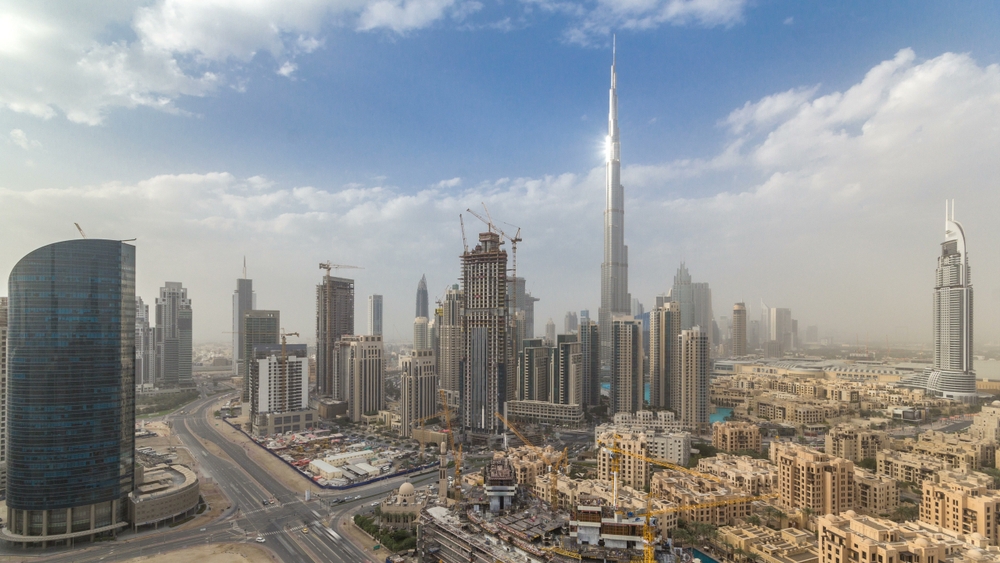
Dubai has become one of the world's most recognized real estate markets, attracting investors, residents, entrepreneurs, and international buyers. The city's modern infrastructure, growing business environment, tourism industry, and wide range of residential and commercial properties create opportunities for different types of investors. However, investing in property requires careful research rather than simply choosing a property that looks attractive.
If you want to understand how to invest in Dubai real estate, the first step is to learn how the market works. You need to understand property prices, rental demand, location, ownership rules, transaction costs, financing, and potential risks. A good investment should match your budget, investment goals, and expected holding period.
Why Invest in Dubai Real Estate?
Dubai's property market attracts investors because it offers a wide selection of properties, from affordable apartments to luxury villas and commercial buildings. The city also has strong international appeal, which supports demand from residents, businesses, and tourists. Areas with good transportation, employment opportunities, schools, retail facilities, and lifestyle amenities can attract consistent tenant and buyer interest.
Rental income is another important reason investors consider Dubai property. A well-located property can generate regular rental income when it attracts reliable tenants. However, investors should not judge a property only by its advertised rental yield. Service charges, maintenance, property management, vacancy periods, furnishing, and other expenses can reduce the actual return.
Can Foreigners Buy Property in Dubai?
Foreign investors can purchase property in designated areas of Dubai, including many freehold communities. This has made the city accessible to international buyers who want to own residential or investment property in the UAE. The exact ownership rights depend on the property and its location, so buyers should verify the legal status before completing a transaction.
The Dubai Land Department plays an important role in property registration and real estate transactions. Buyers should ensure that ownership information, contracts, and registration requirements are properly handled. Working with qualified professionals can help investors understand the documentation and reduce the risk of costly mistakes.
Choosing the Right Type of Property
The best property depends on your investment objective. Apartments are popular with investors because they can provide a relatively accessible entry point and may benefit from strong rental demand in well-connected communities. When comparing apartments, look at the building's quality, location, service charges, floor plan, parking, amenities, rental demand, and competing properties.
Villas and townhouses usually require a larger investment but can attract families looking for more space. They may perform well in established communities with schools, parks, retail centers, and convenient road connections. Investors should compare the purchase price with realistic rental income instead of relying on general claims about an area's potential.
Off-Plan vs Ready Property
Off-plan property can appeal to investors because developers may offer structured payment plans and new projects can provide modern facilities. However, an investor should investigate the developer's track record, construction progress, payment schedule, expected completion date, and future competing supply before making a commitment.
Ready property provides a different advantage because the buyer can usually inspect the actual unit and study existing rental evidence. If your main objective is immediate rental income, a completed property can make financial analysis easier because you can compare current rents and operating expenses.
How to Choose the Best Location
Location is one of the most important factors in real estate investment. Well-known areas such as Downtown Dubai, Dubai Marina, Business Bay, Jumeirah Village Circle, Dubai Hills Estate, Jumeirah Lake Towers, Palm Jumeirah, and Dubai Creek Harbour each have different property prices, tenant profiles, and investment characteristics.
Future supply also deserves close attention. If developers are planning thousands of similar apartments in the same neighborhood, landlords may face greater competition. More supply can affect occupancy, rental prices, and resale values. Therefore, investors should consider both current demand and the amount of property expected to enter the market.
How to Calculate Dubai Property ROI
Financial analysis is essential before buying any investment property. Gross rental yield provides a simple starting point. You can calculate it by dividing annual rental income by the purchase price and multiplying the result by 100.
Gross Rental Yield = Annual Rental Income ÷ Purchase Price × 100
Capital appreciation should be analyzed separately. Instead of assuming a specific future price increase, create conservative, moderate, and optimistic scenarios. This approach provides a clearer understanding of how the investment could perform under different market conditions.
Costs of Buying Dubai Property
The purchase price represents only one part of the total investment. Buyers may also need to account for Dubai Land Department charges, registration costs, brokerage fees, mortgage expenses, valuation charges, legal or conveyancing costs, furnishing, renovation, and ongoing service charges.
Understanding these expenses before purchasing helps investors calculate their real return. A property that appears to offer a high rental yield may become much less attractive after all costs are included. This is why experienced investors focus on net cash flow rather than headline numbers.
How to Find the Right Property
When researching Property for Sale in Dubai, compare properties using several financial and practical factors instead of focusing only on the asking price. Look at price per square foot, expected rent, building quality, service charges, location, tenant demand, and potential resale demand.
Investors can use verified property listings as an initial research tool to compare available properties and identify suitable opportunities. However, a listing should never replace independent due diligence. Property information, rental estimates, ownership details, and costs should be verified before making a financial commitment.
Financing a Dubai Property Investment
Some investors purchase property with cash, while others use mortgage financing. A cash purchase can reduce financing expenses and simplify the transaction, but investing all your available capital into one property can reduce your financial flexibility.
Mortgage financing can allow investors to purchase a larger property with less upfront capital. However, investors must calculate the monthly repayment, financing cost, down payment, and expected rental income. A property should not be considered profitable simply because the rent is higher than the mortgage payment. Other ownership expenses must also be included.
Legal and Investment Due Diligence
Due diligence helps investors identify problems before they become expensive. Before purchasing, verify ownership information, property registration, developer details, building condition, service charges, tenancy information, outstanding payments, and contractual obligations.
For off-plan projects, investigate the developer's previous projects and delivery history. Review the payment plan and understand what happens if construction or handover timelines change. For ready properties, inspect the unit and compare it with similar properties in the same building or community.
Risks of Investing in Dubai Real Estate
Dubai real estate offers opportunities, but it is not risk-free. Property prices can decline, rental demand can change, and new developments can increase competition. Investors may also experience vacancy periods, unexpected maintenance expenses, higher service charges, or difficulties selling the property quickly.
Off-plan investors face additional risks related to construction, delivery, developer performance, and changing market conditions. Mortgage investors also need to consider financing costs and the possibility that rental income may not cover all expenses.
Building a Long-Term Investment Strategy
A successful investor should decide what they want from the property before purchasing it. An income-focused investor may prioritize stable rental demand and strong net yield. A growth-focused investor may look for areas with infrastructure development, population growth, and long-term demand. A balanced strategy can combine rental income with potential capital appreciation.
When reviewing Property for Sale in Dubai, investors should compare purchase costs, rental income, location quality, supply, and resale potential. Similarly, verified property listings can help narrow down options, but investors should still conduct independent financial and legal checks.
Practical Checklist Before Buying
Before completing a Dubai property investment, make sure you understand the total purchase cost, expected rental income, ongoing expenses, financing terms, ownership structure, and potential exit strategy.
You should also research the property's location, developer or building reputation, service charges, rental demand, competing supply, and resale market. If the numbers only work under an extremely optimistic scenario, reconsider the investment.
Final Thoughts
Understanding how to invest in Dubai real estate requires more than knowing which neighborhoods are popular. Successful property analysis combines market research, financial calculations, legal due diligence, and risk management. Investors should focus on the property's fundamentals and avoid making decisions based purely on market hype.
A strong investment is one where the purchase price, rental potential, expenses, location, supply, financing, and exit strategy make sense together. By comparing multiple properties and using realistic assumptions, investors can make more informed decisions and build a strategy suited to their long-term objectives.
Frequently Asked Questions
1. Is Dubai real estate a good investment?
Dubai real estate can provide rental income and potential capital appreciation, but returns vary by property and market conditions. Investors should calculate net returns and consider risks before purchasing.
2. Can foreigners invest in Dubai property?
Yes. Foreign investors can purchase property in designated areas, including many freehold developments, subject to applicable regulations and ownership requirements.
3. What is the best property type for investment?
There is no universal answer. Apartments, villas, townhouses, off-plan properties, and ready properties can all suit different strategies. The right choice depends on budget, rental demand, investment horizon, and risk tolerance.
4. How do I calculate rental yield?
Divide annual rental income by the purchase price and multiply by 100 to calculate gross rental yield. For a more realistic result, subtract operating expenses and calculate net rental yield.
5. What should I check before buying a Dubai property?
Check ownership, registration, purchase costs, rental potential, service charges, property condition, developer or building reputation, future supply, financing costs, and your planned exit strategy.

