


Hard Tonneau Cover Maintenance: How to Protect Your Investment
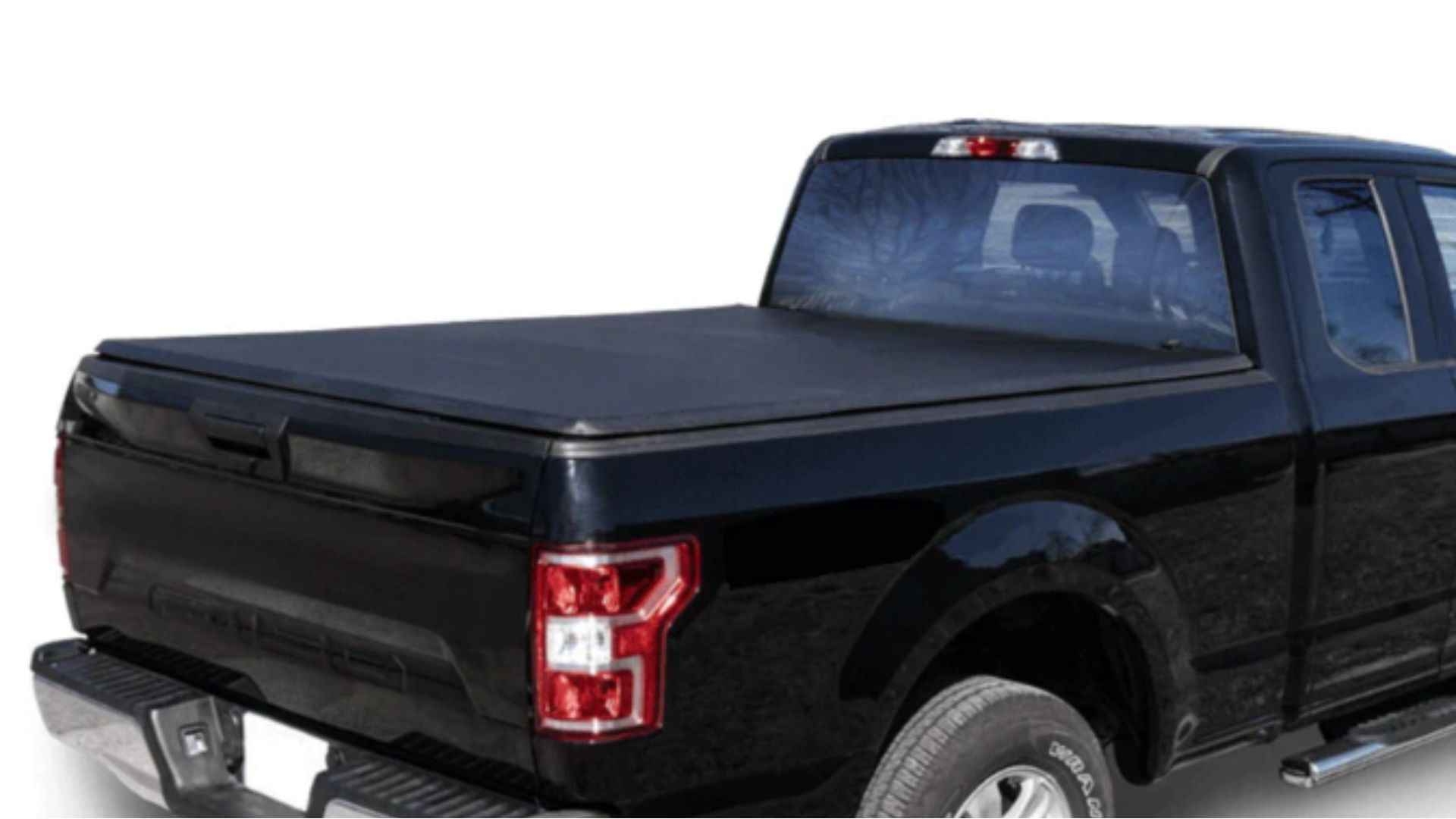
A hard tonneau cover is one of the best upgrades you can make for security, weather protection, and fuel economy—but only if you maintain it properly. In this guide, I’ll show you exactly how to clean, protect, and care for your hard cover so it stays tight, quiet, and leak-free for years.
Why Maintenance Matters More Than You Think
Hard covers are built to last, but they live in one of the harshest environments on your truck: constant sun, road salt, dust, rain, and temperature swings. Without basic care, you can end up with:
-
Faded, chalky, or oxidized finishes
-
Dried, cracked rubber seals that leak
-
Stiff hinges, latches, and tracks that are hard to operate
-
Clogged drain tubes that cause water pooling and rust
The good news: a simple, consistent maintenance routine dramatically extends the life of your cover and keeps it performing like new.
Build a Simple Maintenance Schedule
You don’t need a complicated checklist. Think in three layers:
1. Every Wash (Every 2–4 Weeks)
Whenever you wash your truck:
-
Rinse the cover and rails with water to remove loose dirt and dust.
-
Wash with mild automotive soap and a soft microfiber mitt or sponge; avoid harsh detergents, bleach, or abrasive pads.
-
Pay special attention to:
-
Side rails and clamp areas (where grit accumulates)
-
Tailgate seal area (common leak point)
-
Hinges, latches, and tracks (for retractables and folders)
-
-
Rinse thoroughly and let air-dry, or gently pat dry with a clean microfiber towel.
In winter or on salted roads, rinse the rails and underside of the cover more frequently to prevent corrosion from road salt and brine.
2. Monthly to Quarterly (Depending on Climate)
UV protection and seal care
-
Hard aluminum or composite panels:
-
Apply a quality automotive wax or spray sealant 1–2 times per year in mild climates, or every 1–2 months in high-UV regions (desert, high altitude, coastal sun).
-
This protects the finish from fading, oxidation, and minor scratches.
-
-
Rubber/EPDM seals and weatherstripping:
-
Clean with mild soap and water; avoid petroleum-based cleaners that can break down rubber.
-
Apply a silicone-based rubber conditioner or protectant (e.g., 303 Aerospace Protectant or similar) every 3–4 months to keep seals flexible and prevent cracking.
-
In very hot, sunny climates, conditioning every 2–3 months is wise.
-
Hardware check
-
Every 1–3 months, quickly inspect:
-
Clamps and bolts for tightness (cold snaps and vibration can loosen them).
-
Hinges, latches, and tracks for grit or corrosion.
-
Drain tube exits (near cab corners) for blockages from leaves, mud, or ice.
-
Tighten any loose hardware to the manufacturer’s recommended torque if specified; otherwise, snug but not overtightened.
3. Seasonal Deep Care (Twice a Year)
Do a more thorough maintenance session in spring and autumn:
-
Deep clean the cover:
-
Remove built-up grime, pollen, and road film with a dedicated automotive cleaner or mild all-purpose cleaner diluted per instructions.
-
For aluminum surfaces, you can use a non-abrasive metal polish occasionally to restore shine, then reapply wax or sealant.
-
-
Inspect gaskets, weatherstripping, and seams:
-
Look for gaps, tears, or sections that have pulled away.
-
If you find small gaps, consider a tonneau cover seal kit or additional foam tape at common leak points (tailgate corners, front bulkhead).
-
-
Test all mechanisms:
-
Open and close the cover several times to ensure smooth operation.
-
Listen for binding, grinding, or sticking—these are early warnings of debris or misalignment.
-
-
Flush drain tubes (for retractables and some hard folders):
-
Use low-flow water from the top; clear from the bottom gently with trimmer line or a flexible brush if needed.
-
Avoid high-pressure compressed air, which can damage seals or dislodge fittings.
-
This biannual deep care is especially important before winter and after winter to address salt, ice, and freeze–thaw stress.
Cleaning Do’s and Don’ts
Do
-
Use mild automotive soap and plenty of water.
-
Work in the shade or when the cover is cool to the touch to avoid streaking.
-
Use soft microfiber towels, mitts, or a foam brush for snow and dirt removal.
-
Rinse road salt and brine promptly, especially in winter.
Don’t
-
Don’t use harsh degreasers, bleach, or strong solvents that can damage finishes and rubber.
-
Don’t scrub with stiff brushes, steel wool, or abrasive pads that can scratch panels and seals.
-
Don’t use petroleum-based products on rubber seals; they accelerate drying and cracking.
-
Don’t chip ice with a metal scraper or shovel edge; you risk gouging panels and cutting seals.
Winter-Specific Care for Hard Covers
If you deal with snow, ice, and sub-freezing temps, a few extra steps make a big difference.
Snow and Ice Management
-
Clear heavy snow early with a soft broom or plastic snow brush; don’t let wet snow compact into ice.
-
Never force a frozen cover open. You can bend panels, break hinges, or tear seals.
-
To thaw frozen latches or seals:
-
Use a hair dryer on low heat or park in a warm garage to let components thaw naturally.
-
As a preventive measure, apply a de-icer spray (e.g., Prestone Windshield De-Icer) to latches and seal contact points before expected freezes.
-
Some owners in the 18–34°F range also use a thin layer of ski wax on seals to reduce ice adhesion, as recommended by certain aftermarket brands.
Lubrication for Cold Weather
-
Every 2–3 months in winter, apply a silicone-based lubricant (e.g., WD-40 Specialist Silicone) to:
-
Hinges
-
Latches
-
Tracks and rollers (for retractables)
-
-
Use dry or silicone-safe products that won’t attract grit or gum up in freezing temps.
This keeps operation smooth and reduces the chance of components freezing in place.
End-of-Winter Flush
In salted-road regions:
-
At the end of winter, rinse the rails and flush the drain tubes before the first warm week.
-
Inspect for any corrosion or rust spots on hardware and touch up with appropriate anti-corrosion products if needed.
Preventing and Fixing Leaks
Leaks are the most common complaint with tonneau covers, and most are preventable with good maintenance.
Where Leaks Usually Start
Common leak points include:
-
Tailgate corners and center gap
-
Front bulkhead where the cover meets the cab
-
Side rail interfaces and clamp areas
-
Around drain tube fittings (on retractables)
Preventive Steps
-
Keep seals clean and conditioned:
-
Clean rubber seals monthly with mild soap and water.
-
Apply silicone-based rubber conditioner every 3–4 months to maintain elasticity and prevent cracking.
-
-
Ensure proper alignment:
-
Check that side rails are square and evenly clamped; misalignment creates gaps.
-
Re-tighten clamps after the first few weeks of use and after major temperature swings.
-
-
Maintain drain tubes:
-
Clean drain tubes every 3–6 months; flush before winter to prevent ice blockage.
-
Remove leaves, mud, and debris from tube exits near the cab corners.
-
If You Already Have a Leak
-
Identify the entry point by:
-
Running a hose over specific areas while someone watches inside the bed.
-
Looking for water trails, stains, or pooled water after rain.
-
-
Common fixes:
-
Add or replace foam seals at tailgate corners or front bulkhead.
-
Apply a thin bead of automotive-grade silicone sealant at small gaps (avoid getting sealant on moving parts).
-
Adjust rail height or clamp tension to improve contact with the bed rails.
-
If leaks persist despite good maintenance and seal work, consult the manufacturer or a professional installer—there may be a fitment issue or defective component covered under warranty.
Protecting the Finish and Structure
Beyond cleaning, a few habits help your hard cover age gracefully.
UV and Heat Protection
-
Park in shade or use a car cover when possible in extreme heat to reduce thermal cycling stress.
-
Reapply UV protectant or wax according to your climate:
-
Hot, sunny regions: every 1–2 months.
-
Mild or cool climates: every 3 months or 1–2 times per year, depending on sun exposure.
-
This slows fading, chalking, and oxidation, especially on matte black and colored finishes.
Load and Stress Management
-
Avoid leaving heavy, uneven loads on the cover for long periods unless it’s explicitly rated for that weight.
-
In winter, remove snow regularly so it doesn’t compact into ice and overload panels.
-
Never stand or jump on the cover unless the manufacturer explicitly states it’s safe for that load.
Respecting load limits protects hinges, panels, and seals from premature fatigue.
A Simple Maintenance Checklist You Can Actually Follow
Every wash (2–4 weeks):
-
Rinse cover, rails, and seals.
-
Wash with mild automotive soap; avoid harsh chemicals.
-
Rinse off road salt promptly in winter.
Monthly to quarterly:
-
Apply UV protectant/wax as needed for your climate.
-
Condition rubber/EPDM seals with silicone-based protectant every 3–4 months.
-
Check clamps, hinges, latches, and tracks for tightness and grit.
Twice a year (spring and autumn):
-
Deep clean cover and rails; remove built-up grime.
-
Inspect gaskets, weatherstripping, and seams; add seals where needed.
-
Test all mechanisms; lubricate with silicone-based lubricant.
-
Flush drain tubes and clear debris from exits.
Winter-specific:
-
Clear snow with a soft broom; don’t let it compact into ice.
-
Never force a frozen cover; thaw gently with heat or warm garage time.
-
Lubricate hinges and latches every 2–3 months with silicone lubricant.
-
At winter’s end, rinse rails and flush drain tubes to remove salt and debris.
Final Thoughts
A hard tonneau cover is a long-term investment in security, weather protection, and everyday usability. With a straightforward maintenance routine—regular cleaning, UV and seal care, seasonal deep checks, and smart winter habits—you can keep your cover tight, quiet, and leak-free for many years.
Treat your cover like any other critical part of your truck: a little consistent attention now prevents big headaches (and expensive replacements) later.

