


Improving Garment Production Through Automated Preparation
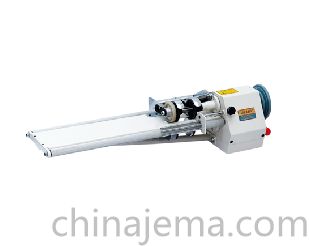
Labels provide more than product information in modern apparel manufacturing, and label cutting has become an important preparation process for clothing brands and textile producers. Care labels, size labels, woven brand labels, printed labels, decorative tags, and functional textile markers all need to be prepared before they can become part of a finished garment. Their small size does not reduce their importance because labels connect manufacturing information with brand identity and the consumer's everyday experience.
Different label materials have different physical characteristics. Woven labels may have a structured textile surface, while printed synthetic materials can have smoother surfaces and different cutting behavior. Decorative labels may combine several textile layers or special finishes. The processing method therefore needs to account for material structure, flexibility, edge quality, and the intended application. Understanding these differences helps manufacturers organize a more suitable production process.
Automation can improve consistency when labels need to be prepared in large quantities. Manual processing often requires workers to repeatedly measure, position, cut, separate, and collect small pieces. These repetitive actions can become time-consuming and may produce differences when production continues for extended periods. Automated equipment can organize material movement and cutting into a more repeatable sequence, supporting a stable workflow across different production batches.
Positioning is especially important for small textile components. A label needs to be prepared accurately so that it can be sewn or attached to the intended area of a garment without unnecessary adjustment. Consistent preparation can help downstream operators work more efficiently because they receive components that are already organized for the next manufacturing stage. This creates a connection between cutting technology and the wider production workflow.
Labels also carry strong emotional value for consumers. A brand label can communicate identity, style, craftsmanship, and recognition. Even a simple woven tag can become an important visual element of clothing. Care and size labels, meanwhile, provide information that helps consumers understand how to use and maintain their garments. Because labels combine practical information with brand communication, their preparation needs to support both functional and aesthetic requirements.
The relationship between labels and materials becomes particularly important in comfort-focused apparel. A poorly prepared edge or unsuitable label structure may become noticeable against the skin, especially in underwear, sportswear, children's clothing, and lightweight garments. Manufacturers therefore need to consider how the label will interact with the fabric and the wearer after assembly. Material-sensitive processing can contribute to a cleaner and more comfortable final product.
Fashion brands also use labels as part of their visual language. Changes in fabric, typography, woven texture, finishing, and shape can create different brand impressions. As collections become more diverse, manufacturers may need to process multiple label designs within the same production environment. Flexible automation can support this variety by allowing production teams to organize different material preparation tasks without relying entirely on repetitive manual work.
JEMA develops textile machinery with an understanding that individual processing operations need to connect with broader manufacturing requirements. Label preparation may be followed by sewing, inspection, folding, packaging, or other garment assembly activities. A well-organized workflow can reduce unnecessary movement between stages and help production teams maintain a more predictable sequence from material preparation to finished apparel.
Sustainability is increasingly relevant to label production as well. Better control of material handling can help reduce waste created by inaccurate positioning, repeated processing, or unnecessary offcuts. Efficient production planning can also help manufacturers manage material usage more carefully. As brands pay greater attention to responsible sourcing and manufacturing, even small textile components can become part of a broader strategy for reducing resource consumption.
The human side of production remains important despite increasing automation. Workers continue to manage materials, monitor machinery, inspect finished components, and respond to changing production requirements. Practical equipment can help shift repetitive operations toward automation while allowing employees to concentrate on tasks that require judgment and attention. This balance can make production environments more efficient without removing the role of skilled workers.
As apparel manufacturing becomes increasingly connected and automated, label cutting is no longer simply a small preparatory task. It brings together textile material behavior, processing accuracy, brand presentation, production efficiency, and consumer comfort. Manufacturers seeking suitable textile automation solutions can explore JEMA's broader product range at https://www.chinajema.com/product/ to evaluate equipment for efficient and adaptable garment component preparation.

