


Air Conditioning Installation Grapevine TX: Common Mistakes to Avoid
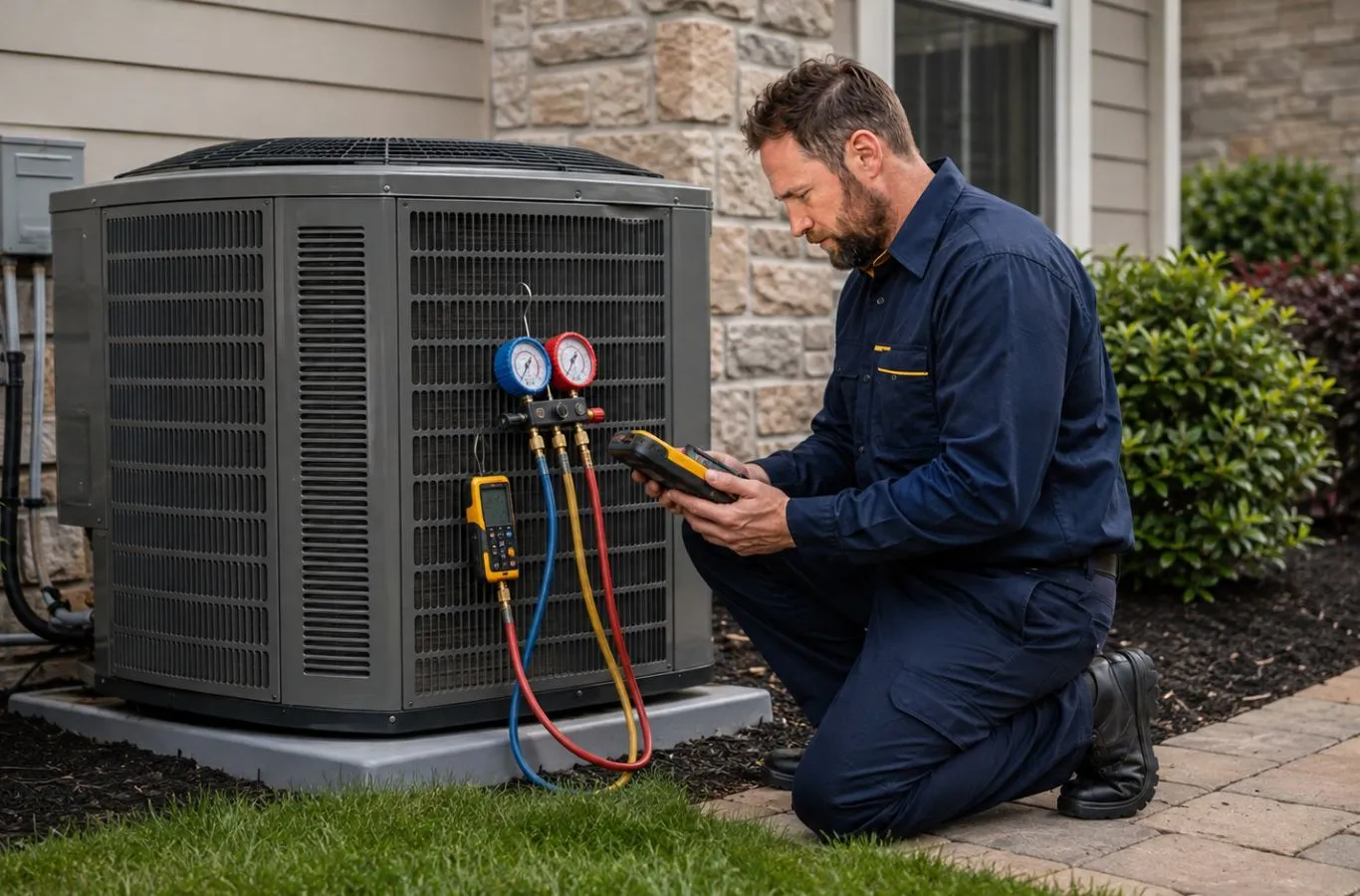
Choosing a new cooling system is a major decision for any homeowner, particularly in an area where air conditioning works hard during the summer. Proper sizing, ductwork evaluation, electrical preparation, refrigerant handling, drainage, and final testing all influence system performance. A successful air conditioning installation Grapevine TX project requires more than purchasing a high-efficiency unit and connecting it to existing equipment. Understanding common installation mistakes can help homeowners ask better questions and avoid unnecessary problems.
Many air conditioning problems that appear months or years after installation can actually begin during the original installation. An improperly sized system may struggle with comfort and humidity, while restricted airflow can place unnecessary strain on components. Poor refrigerant practices, inadequate drainage, and incorrect electrical connections can also affect reliability. A professional installation should treat the air conditioner, ductwork, controls, and home as one complete system rather than as separate components.
Mistake 1: Choosing the Wrong System Size
One of the most important mistakes to avoid is selecting an air conditioner based only on the home's square footage. Two houses with similar floor plans can have very different cooling requirements because insulation, windows, ceiling height, sun exposure, air leakage, and occupancy all affect the cooling load. Simply replacing an old unit with one of the same capacity does not necessarily mean the new equipment is correctly sized. A professional evaluation should be completed before equipment is selected.
An oversized system may cool the home quickly but shut down before adequately controlling indoor humidity. Frequent cycling can also increase wear on components and create inconsistent comfort. An undersized system can have the opposite problem, running for long periods while struggling to maintain the desired temperature during extreme weather. Proper load calculations provide a much more reliable foundation for equipment selection than a simple sizing rule.
Mistake 2: Ignoring Existing Ductwork
Installing a new air conditioner without evaluating the existing ductwork is another common mistake. Ducts that are leaking, damaged, poorly insulated, or incorrectly sized can restrict airflow and prevent the new equipment from performing as intended. Homeowners may assume that new equipment automatically solves comfort problems, but the distribution system is responsible for delivering conditioned air throughout the property. Existing hot and cold spots should be discussed before installation begins.
A contractor should inspect supply and return pathways, connections, insulation, and visible signs of leakage or damage. In some homes, limited return airflow can be just as important as supply duct problems. If modifications are necessary, addressing them during installation can be more practical than discovering the problem after the new system is operating. Proper airflow is essential for comfort, efficiency, and dependable equipment operation.
Mistake 3: Selecting Equipment Based Only on Efficiency
High efficiency is an attractive feature when purchasing a new air conditioner, but choosing equipment solely because it has a higher efficiency rating can be misleading. The system must be correctly matched to the home's cooling requirements, ductwork, electrical service, and other components. A highly efficient unit that is poorly sized or improperly installed may not deliver the expected real-world benefits. Equipment selection should therefore consider the complete system rather than one specification.
Homeowners should ask contractors to explain the expected performance of the proposed equipment and why it is appropriate for the property. Factors such as operating conditions, maintenance requirements, system compatibility, and installation complexity can affect the overall value of an upgrade. The goal should be balanced performance rather than simply selecting the highest rating available. Professional recommendations should be based on the home's actual needs and the manufacturer's installation requirements.
Mistake 4: Overlooking Refrigerant and Connection Work
Refrigerant-related installation work requires careful attention because the cooling circuit must operate within the manufacturer's specifications. Incorrect refrigerant practices can contribute to reduced cooling performance, inefficient operation, and unnecessary stress on system components. Connections also need to be properly installed and checked. These tasks require specialized knowledge and equipment, so they should not be treated as simple do-it-yourself work.
A professional technician should follow the equipment manufacturer's procedures for refrigerant piping, evacuation, charging, and system startup. The exact process can vary according to the equipment design and installation conditions. Homeowners should be cautious of contractors who appear to rush through this stage or cannot explain how the completed system will be tested. Careful installation and verification are important parts of protecting a significant HVAC investment.
Mistake 5: Neglecting Condensate Drainage
Air conditioning systems naturally produce condensation as they remove moisture from indoor air. That water needs to drain safely away from the equipment and the home. An improperly installed or poorly positioned condensate drain can result in water leakage, clogged drainage, or moisture damage around the indoor equipment. These problems may remain unnoticed until water appears where it should not.
During installation, the contractor should verify that condensate drainage is properly configured and that the system can safely handle water produced during normal operation. Drain components should be accessible enough for future maintenance when appropriate. Homeowners should also understand where the primary drainage route is located and what warning signs may indicate a blockage. Taking drainage seriously during installation can prevent avoidable property damage later.
Mistake 6: Using Poor Thermostat Placement
The thermostat plays an important role in controlling the air conditioning system, so its location matters. Installing it near direct sunlight, heat-producing appliances, drafts, supply registers, or other unusual temperature sources can cause inaccurate readings. The system may then run longer or shorter than necessary because the thermostat is responding to a temperature that does not accurately represent the occupied space.
When installing a new system, the contractor should evaluate the thermostat's existing location rather than automatically reinstalling it in exactly the same place. A better position may provide more representative temperature readings and improved control. Smart thermostats can also offer useful scheduling and monitoring features, but they still need appropriate installation and configuration. Good controls cannot compensate for poor system design or incorrect equipment sizing.
Mistake 7: Skipping Final Testing and Commissioning
A new air conditioner should not be considered finished simply because it turns on and produces cold air. Proper startup and commissioning allow the technician to verify that the system is operating according to the equipment requirements. Depending on the system, checks can include airflow, refrigerant conditions, electrical performance, thermostat operation, drainage, temperature performance, and other installation-specific measurements. Testing can reveal problems before they become expensive service calls.
Homeowners should ask what testing will be completed before the contractor leaves. A professional should be able to explain what was checked and identify any adjustments that were necessary. This final stage demonstrates whether the installation was completed carefully rather than merely assembled. Proper commissioning is particularly important because installation faults can affect efficiency and comfort even when the system appears to operate normally.
Mistake 8: Choosing a Contractor Based Only on Price
Price is naturally an important consideration, but the lowest installation estimate is not always the most economical choice over the life of an HVAC system. A cheaper proposal may exclude duct modifications, electrical work, removal of old equipment, startup testing, warranty support, or other necessary services. Homeowners should compare the actual scope of each proposal rather than comparing only the final dollar amount. A detailed estimate can make differences between contractors easier to identify.
When evaluating air conditioning installation Grapevine TX professionals, look for clear communication, appropriate experience, detailed equipment information, and a willingness to explain the installation process. Ask who will perform the work, what preparation is included, how the system will be tested, and what documentation will be provided afterward. A trustworthy contractor should be comfortable discussing these details without pressuring the homeowner into making a rushed decision.
Mistake 9: Applying Residential Assumptions to Commercial Projects
Commercial cooling installations involve different requirements and should not simply be treated as larger residential projects. Building occupancy, operating schedules, zoning, ventilation, equipment access, controls, electrical demands, and business continuity can all influence the design. A system that works well in a small residence may be completely unsuitable for a commercial facility. Planning therefore needs to account for how the building is actually used.
Businesses researching commercial air conditioning installation Irving TX should pay particular attention to system design, installation coordination, access for future maintenance, and operational requirements. Commercial projects may involve multiple zones or equipment configurations and can require coordination with other building systems. A knowledgeable HVAC professional should evaluate the property's specific requirements before recommending equipment. Proper planning can help reduce disruptions and support dependable climate control after installation.
How Homeowners Can Avoid Installation Problems
The best way to prevent installation mistakes is to become an informed customer before the project begins. Ask whether the contractor will evaluate the home's cooling load, inspect the ductwork, verify equipment compatibility, and perform final system testing. Request a clear explanation of what the installation includes and what happens if unexpected ductwork or electrical issues are discovered. These conversations can reveal whether the contractor is focused on long-term system performance.
It is also wise to keep all equipment information, warranty documentation, installation records, and maintenance recommendations after the project is complete. Learn which air filter the system requires and how frequently it should be inspected or replaced. Pay attention to unusual noises, inconsistent temperatures, water around the indoor unit, or unexpected changes in operating behavior. Early attention to unusual symptoms can help prevent minor concerns from developing into larger problems.
Make Installation Quality a Priority
A new air conditioner represents a substantial investment, so homeowners should expect more than equipment delivery and basic installation. Correct sizing, reliable ductwork, careful refrigerant practices, appropriate drainage, proper controls, and thorough commissioning all contribute to dependable performance. Avoiding common mistakes starts with selecting a contractor who approaches the project as a complete HVAC system rather than simply replacing a piece of equipment.
For homeowners considering air conditioning installation Grapevine TX, careful planning can make the difference between a system that merely operates and one that consistently delivers comfort. The same principle applies to commercial projects where building requirements and operating conditions demand even more detailed planning. By asking informed questions, reviewing the installation scope, and insisting on professional testing, property owners can make a smarter investment in reliable cooling and long-term HVAC performance.

