


How Businesses Can Prevent Rodent Problems Effectively
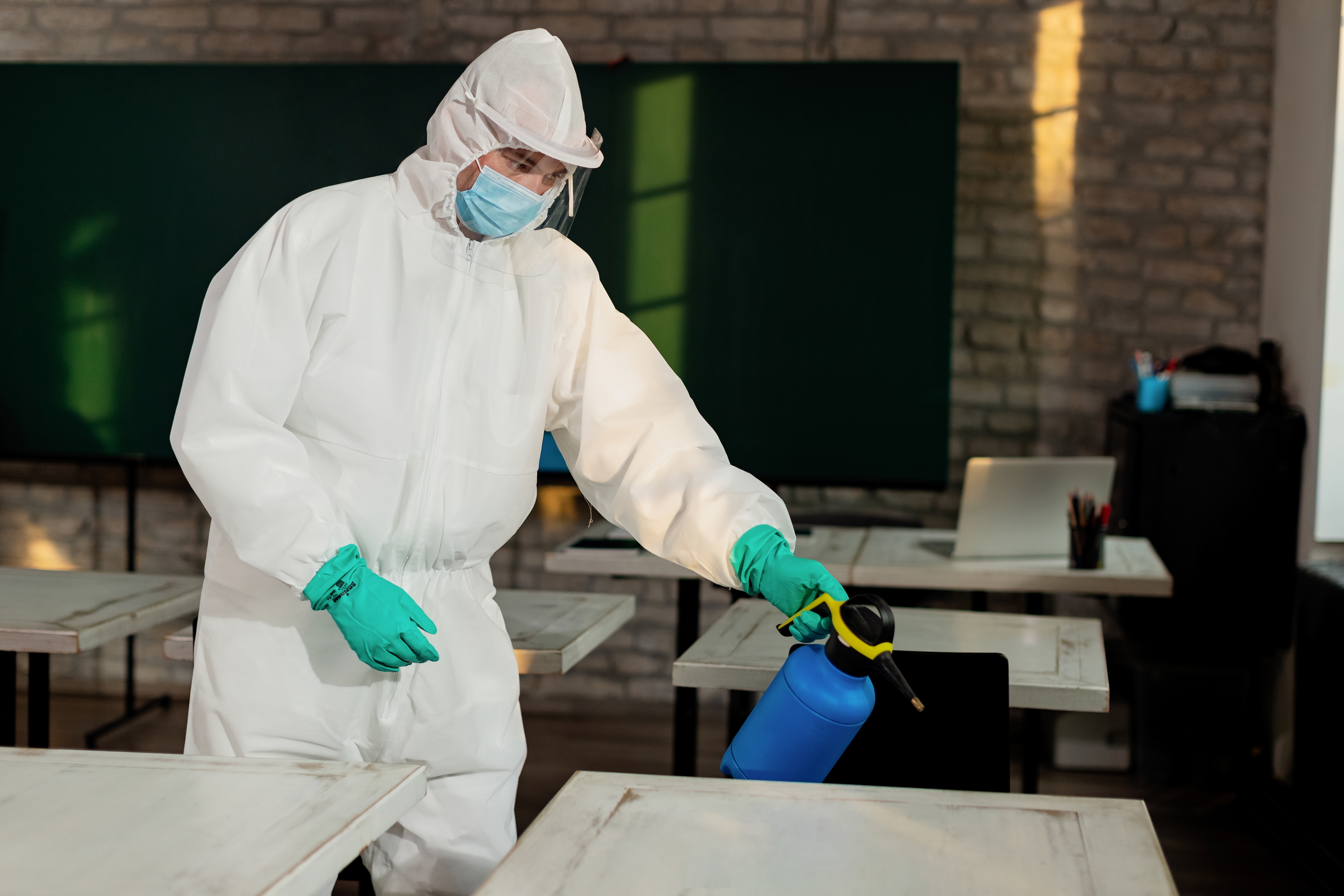
Rodent problems can create serious challenges for businesses. Rats and mice can enter through small gaps, move through storage areas, contaminate surfaces, damage materials, and create an uncomfortable environment for employees and customers.
For commercial properties, controlling rodents is not only about removing the pests that are already visible. A better approach involves identifying why rodents are entering, reducing conditions that attract them, and maintaining preventive measures over time.
This is why businesses often consider professional pest control services Doha when they need a structured approach to protecting their premises.
Why Rodent Prevention Matters for Businesses
A single sighting can indicate a larger problem. Rodents are skilled at hiding in areas that receive little attention, including storage rooms, kitchens, utility spaces, ceiling voids, wall cavities, and areas around equipment.
They can also move between different parts of a building through openings around pipes, doors, drains, vents, and other access points.
If these conditions are not addressed, a small infestation can become more difficult to manage. Businesses that handle food, store products, or welcome large numbers of visitors may face additional hygiene concerns when rodents are present.
Identify Common Rodent Entry Points
One of the first steps in prevention is understanding how rodents enter a property.
Small openings around doors, windows, pipes, cables, drains, and ventilation systems can provide access. Damaged doors or gaps beneath doors can also make it easier for rodents to enter from outdoor areas.
Commercial buildings should be inspected regularly for structural openings and areas where existing barriers have deteriorated.
Sealing potential entry points can reduce opportunities for rodents to enter, but the process should be combined with other preventive measures. Closing one opening may not solve the problem if several other access routes remain available.
Keep Food Sources Under Control
Food is one of the main factors that can attract rodents to commercial properties. Restaurants, cafeterias, food storage areas, supermarkets, warehouses, and staff kitchens should pay particular attention to food handling and storage practices.
Food should be stored in suitable containers, waste should be removed regularly, and spills should be cleaned as soon as possible.
Businesses should also review areas that are not cleaned frequently. Small food particles underneath equipment, behind storage units, or inside corners can provide an available food source even when the main work areas appear clean.
Manage Waste Properly
Poor waste management can increase the risk of rodent activity.
Commercial properties should use suitable waste containers with secure lids and establish regular collection schedules. Outdoor waste areas should also be kept clean and organized.
Businesses should avoid allowing waste to accumulate around entrances, loading areas, storage zones, or service corridors.
Regular cleaning around waste collection points can make these areas less attractive to rodents and can help staff identify signs of activity earlier.
Watch for Early Warning Signs
Rodent activity does not always begin with seeing a rat or mouse. Other signs can appear first.
Businesses should watch for droppings, gnaw marks, damaged packaging, unusual odors, nesting materials, grease marks along walls, and movement sounds in hidden areas.
Employees who work in kitchens, warehouses, storage rooms, or maintenance areas may notice these signs before management does.
Creating a simple reporting process can help businesses respond more quickly when unusual activity is noticed.
Pay Attention to Storage Areas
Cluttered storage areas can provide rodents with places to hide and build nests. Cardboard boxes, unused equipment, packaging materials, and poorly organized stock can create concealed spaces.
Businesses should keep storage areas organized and maintain enough space around walls and equipment for cleaning and inspection.
Where possible, stock should be stored off the floor and arranged so that staff can identify signs of pest activity.
Good organization does not eliminate the risk by itself, but it makes inspections and cleaning easier.
Use Professional Rodent Control When Needed
When signs of an infestation are present, businesses may need more than routine cleaning and maintenance. Professional pest management can help identify the extent of the problem and determine suitable control measures.
A structured service generally begins with an inspection. The inspection can identify pest activity, potential entry points, food sources, nesting areas, and other conditions contributing to the infestation.
Based on these findings, a treatment plan can be developed for the specific property.
Businesses looking for commercial rodent control Doha should consider whether the service includes inspection, targeted treatment, monitoring, and preventive recommendations rather than focusing only on immediate pest removal.
Protect Business Operations
Rodent control should be planned with the property's daily operations in mind.
A commercial facility may need treatment during specific hours to reduce disruption to employees, customers, tenants, or production activities. The treatment approach should therefore consider the type of business, operating schedule, property layout, and areas requiring protection.
For food-related businesses, warehouses, offices, and other commercial properties, maintaining a clear pest management process can make it easier to respond to problems without unnecessary disruption.
Maintain Regular Inspections
Rodent prevention should not end after an infestation has been treated.
Regular inspections can help identify new activity before it develops into a larger problem. Businesses can review entry points, storage areas, waste zones, kitchens, loading areas, and other locations where rodents may gain access or find food.
The frequency of inspections can depend on the property type, previous pest activity, environmental conditions, and level of risk.
A consistent monitoring process can also help businesses identify recurring problems and determine whether additional preventive action is needed.
Train Employees on Prevention
Employees play an important role in maintaining a pest-resistant workplace.
Staff should understand the importance of cleaning spills, storing food correctly, reporting pest signs, keeping doors closed where appropriate, and maintaining clean storage areas.
Simple procedures can make a meaningful difference when they are followed consistently.
Businesses can also assign responsibility for routine inspections so that pest-related concerns are not overlooked during busy periods.
Build a Long-Term Prevention Strategy
Effective rodent management combines several practices rather than relying on a single treatment.
Businesses should focus on reducing food and water sources, maintaining clean premises, sealing access points, organizing storage areas, managing waste, monitoring activity, and responding quickly to warning signs.
Professional pest management can complement these efforts when infestations occur or when a property requires ongoing monitoring.
The goal is to create commercial spaces where rodents have fewer opportunities to enter, hide, feed, and reproduce.
Protecting Commercial Spaces Through Prevention
Rodent problems can affect hygiene, property conditions, business operations, and customer confidence. Waiting until an infestation becomes severe can make control more complicated.
A practical prevention strategy starts with understanding the property and identifying the conditions that may encourage pest activity. Regular inspections, proper sanitation, secure food storage, organized facilities, waste management, and timely professional treatment can work together to reduce risk.
For businesses in Doha, maintaining a consistent approach to pest prevention can help create cleaner and more manageable commercial environments. The focus should always be on identifying problems early, addressing their causes, and maintaining suitable preventive measures over time.

