


How to Choose the Right Liposuction Approach
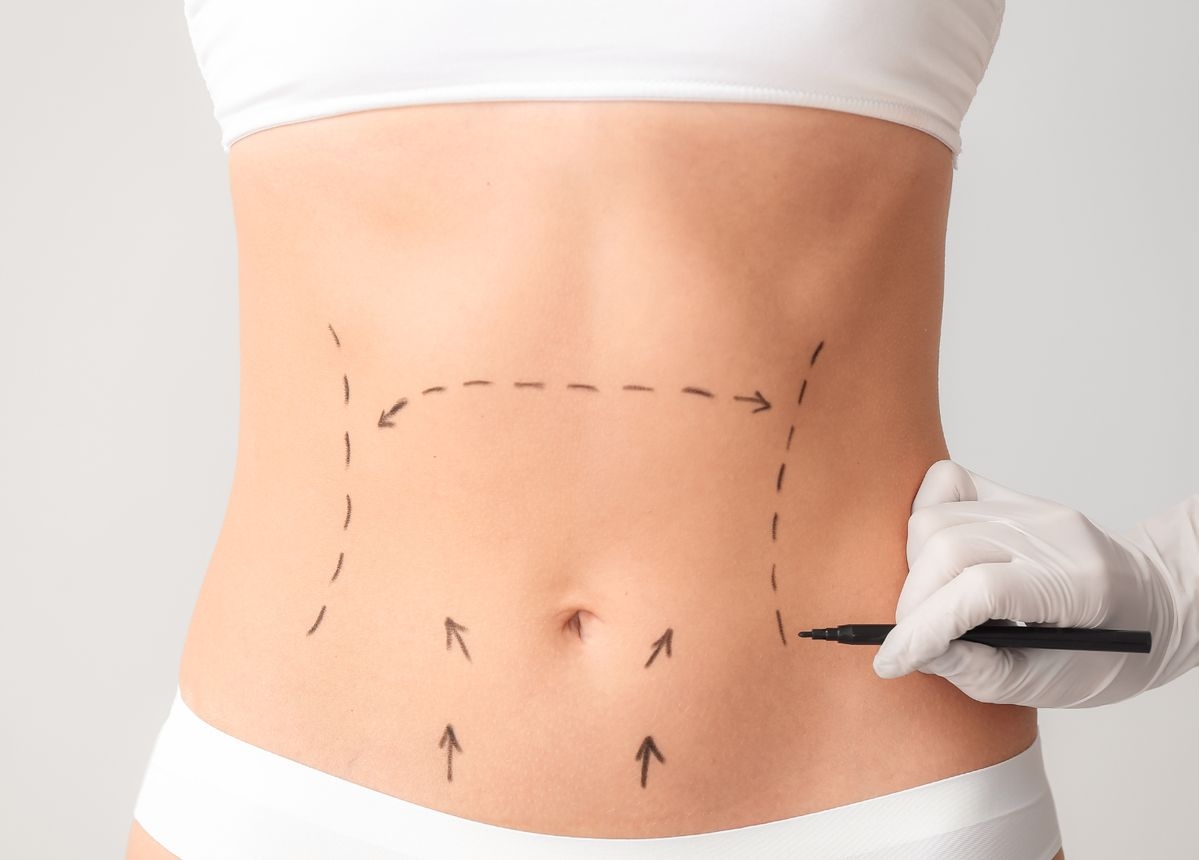
Choosing the right liposuction approach is an important part of planning a successful body-contouring experience. Because every person's body shape, fat distribution, skin elasticity, and aesthetic goals are different, there is no single technique that is ideal for everyone.
Modern liposuction offers several approaches that can be adapted to individual circumstances. Understanding the factors involved can help patients have more productive conversations with qualified medical professionals and develop realistic expectations about treatment and recovery.
Understand Your Body-Contouring Goals
The first step in choosing a liposuction approach is identifying what you want to achieve. Some people may want to reduce localized fat around the abdomen, while others may be interested in improving the contours of their thighs, hips, arms, back, or chin.
The goal should focus on contour improvement rather than simply removing as much fat as possible. A balanced approach considers how the treated area relates to the surrounding body.
Discussing your desired outcome clearly during a consultation allows the provider to determine whether liposuction may be appropriate and what type of treatment plan could address your concerns.
Consider the Treatment Area
Different areas of the body have different anatomical characteristics. The abdomen, thighs, arms, back, and chin may require different treatment considerations because skin thickness, fat distribution, and tissue structure vary.
A qualified provider can assess the specific area and determine which approach may be suitable. The number of areas being treated can also influence the treatment plan, procedure duration, anesthesia requirements, and recovery process.
Rather than choosing a technique based solely on its popularity, patients should consider whether it is appropriate for their particular treatment area.
Evaluate Skin Elasticity
Skin quality is another important consideration when planning liposuction. After fat is removed, the skin needs to adapt to the new underlying contours.
Individuals with relatively good skin elasticity may experience smoother contour changes. However, significant loose or sagging skin may not be corrected by liposuction alone.
During consultation, a provider can evaluate skin elasticity and explain how it may influence the expected result. In some cases, another body-contouring option may need to be discussed.
Learn About Different Liposuction Techniques
There are several liposuction techniques, and the terminology can sometimes be confusing for patients. Some approaches use fluid to assist with fat removal, while others may incorporate energy-based technologies or specialized instruments.
The appropriate technique depends on factors such as the treatment area, amount of fat, skin characteristics, medical history, and provider expertise.
Patients do not necessarily need to choose a technique independently. Instead, they should ask the provider why a particular approach is being recommended and how it relates to their individual goals.
Ask About the Provider's Experience
The experience and qualifications of the medical professional performing liposuction are important considerations. Patients should seek an appropriately trained and qualified provider who regularly performs the procedure.
During consultation, it can be helpful to ask about the provider's experience with the specific treatment area and technique being considered. Patients can also ask how the procedure is performed, what type of facility is used, and what follow-up care is provided.
A thorough consultation should involve two-way communication rather than simply selecting a procedure from a list.
Consider Recovery Requirements
Different treatment plans can involve different recovery experiences. Factors such as the number of areas treated and the amount of fat removed can influence swelling, bruising, discomfort, and the time needed before returning to normal activities.
Patients should ask about expected downtime, compression garments, exercise restrictions, wound care, and follow-up appointments.
Understanding recovery requirements before treatment can help patients plan work, travel, exercise, and other responsibilities appropriately.
Discuss Your Medical History
A patient's overall health can influence whether liposuction is appropriate. During consultation, it is important to provide complete information about medical conditions, previous surgeries, allergies, and medications or supplements.
Certain circumstances may require additional evaluation or may affect the timing or suitability of treatment.
Patients should never stop or change prescribed medications on their own in preparation for surgery. Any medication-related changes should be discussed with the appropriate healthcare professional.
Compare Expected Benefits and Limitations
Every liposuction approach has potential benefits and limitations. The procedure can reduce localized fat and improve selected contours, but it is not designed to provide significant overall weight loss.
Liposuction also cannot guarantee a particular body shape and does not automatically correct substantial loose skin. Understanding these limitations helps establish realistic expectations.
Patients should ask what level of improvement is reasonably expected rather than focusing only on promotional images or claims.
Understand Potential Risks
Liposuction is a surgical procedure and carries potential risks. These may include infection, bleeding, fluid accumulation, changes in sensation, contour irregularities, and complications related to anesthesia.
The specific risks can vary depending on the individual and the procedure. A qualified provider should explain the relevant risks and answer questions before treatment.
Patients should also understand when to contact their medical team during recovery if unexpected or concerning symptoms occur.
Focus on Personalized Treatment Planning
The right liposuction approach should ultimately be based on an individualized assessment rather than a one-size-fits-all formula.
A personalized plan considers the patient's body structure, treatment goals, skin quality, health history, desired areas, and recovery preferences. The provider can then recommend an appropriate technique and explain why it may be suitable.
Taking time to understand the plan can help patients feel more prepared and informed before making a decision.
Maintain Realistic Expectations
Realistic expectations are essential when considering liposuction. Results develop gradually, and swelling can temporarily affect the appearance of treated areas.
Once healing progresses, the contours may become more apparent. Maintaining a relatively stable weight and healthy lifestyle can help support the results over time.
Patients should understand that natural aging and future weight changes can still affect body shape.
Conclusion
Choosing the right liposuction approach involves more than selecting a particular technique. Treatment goals, body area, skin elasticity, overall health, provider experience, recovery requirements, and realistic expectations all play important roles.
A detailed consultation with a qualified medical professional can help determine whether liposuction is appropriate and which approach may best suit an individual's circumstances. By asking informed questions and understanding both benefits and limitations, patients can approach body contouring with greater confidence and realistic expectations.
Frequently Asked Questions
1. How do I know which liposuction technique is right for me?
The appropriate technique depends on factors such as your treatment area, fat distribution, skin quality, health, and aesthetic goals. A qualified provider can recommend an approach after an assessment.
2. Does the treatment area affect the liposuction approach?
Yes. Different body areas have different anatomical characteristics, so the technique and treatment plan may be adjusted according to the location being treated.
3. Does skin elasticity matter when choosing liposuction?
Yes. Skin elasticity can influence how the skin adapts after fat removal. Significant loose skin may require discussion of additional or alternative procedures.
4. What should I ask during a liposuction consultation?
Ask about the recommended technique, expected results, recovery time, potential risks, provider experience, anesthesia, aftercare, and whether the procedure is appropriate for your individual goals.
For more information visit
Enfield royal clinic in islamabad

