


Industrial Plug Construction and Electrical Safety
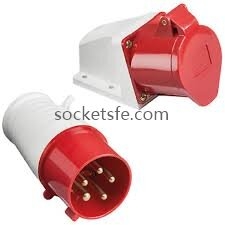
In professional electrical installations, a 230V Industrial Plug serves as an interface between powered equipment and a compatible electrical supply. Industrial environments can involve frequent connection cycles, vibration, dust, moisture, mechanical handling, and demanding operating conditions, so connector design needs to address more than basic electrical continuity. Material selection, insulation, contact construction, housing strength, and cable management all contribute to the overall performance of an industrial connection.
The housing provides the first level of physical protection for internal components. Industrial plug housings are commonly manufactured from engineering plastics or other electrically insulating materials selected for mechanical durability and environmental suitability. The material needs to maintain its structure during normal handling and installation while providing sufficient insulation around conductive components. Manufacturing consistency is important because the housing also determines the alignment between the plug and its mating socket.
Insulation technology plays a central role in electrical connector design. Insulating materials are positioned between conductive components and the outer structure to maintain appropriate electrical separation. The effectiveness of this system depends on material properties, component geometry, molding accuracy, and assembly quality. Properly formed insulation components help maintain consistent clearances and reduce the possibility of unintended electrical contact during normal use.
The conductive contact system is responsible for transferring electrical energy through the connector. Contact components are generally made from conductive metals selected according to requirements such as conductivity, corrosion resistance, mechanical strength, and repeated connection performance. Surface condition can also influence contact quality. Accurate positioning and suitable contact pressure help create a stable interface when the plug is fully mated with its corresponding socket.
Mechanical construction works alongside electrical design. Industrial equipment may be exposed to vibration or movement, and connectors can experience repeated insertion and removal during maintenance. A secure locking structure helps keep the plug correctly positioned after connection. The housing should also provide sufficient support around internal components so that routine handling does not unnecessarily transfer mechanical force to electrical contact points.
Cable entry design is another important consideration. Cables can be exposed to pulling, bending, twisting, and repeated movement during equipment operation. A suitable strain-relief structure helps control these forces near the connector body. By distributing mechanical stress, the cable-entry system can help protect the termination area and maintain the physical integrity of the connection.
Manufacturing technology directly affects these design features. Injection molding may be used for insulating housings and other polymer components, requiring accurate molds and controlled processing conditions. Dimensional consistency helps ensure that mating interfaces, locking structures, and internal contact supports remain properly aligned. Assembly processes must also maintain the correct positioning of conductive and insulating components.
Quality control can include visual inspection, dimensional checks, mechanical checks, and electrical testing. Continuity testing can help verify conductive paths, while insulation-related testing can provide information about the condition of insulating components. Mechanical inspection can examine locking structures, cable entry points, and housing integrity. Combining different inspection methods allows manufacturers to identify different types of production issues.
Application conditions should be considered before selecting a connector. Indoor production equipment may operate in a relatively controlled environment, while construction machinery, workshop equipment, temporary power systems, and outdoor installations can experience greater exposure to moisture, dust, impact, and temperature changes. Connector selection should therefore consider voltage, current requirements, configuration, environmental conditions, cable type, and compatibility with the mating device.
Correct installation is equally important. Technicians should inspect the connector and cable before use and confirm that the plug is compatible with the intended socket and equipment. Conductors should be terminated according to the connector design, and the cable should be routed without unnecessary tension or sharp bending near the entry point. The plug should be fully engaged and secured before equipment is energized.
Regular inspection can support continued reliability in demanding applications. Maintenance personnel can look for cracked housings, damaged insulation, corrosion, loose components, worn contact areas, or cable deterioration. If physical damage or abnormal electrical behavior is observed, the connector should be assessed before further use. Preventive inspection can help identify connection issues before they become larger equipment or maintenance problems.
A well-engineered 230V Industrial Plug brings together conductive materials, insulation technology, housing design, cable protection, and mechanical retention in a coordinated electrical connection system. These design elements help equipment manufacturers and maintenance teams evaluate connectors according to their actual application conditions rather than voltage alone. Industrial plug and socket solutions can be explored at https://www.socketsfe.com, with product selection based on electrical requirements, environmental conditions, materials, and installation practices.

