


How Rockv Guides Specifying of Sour Service Gate Valve in Pipelines
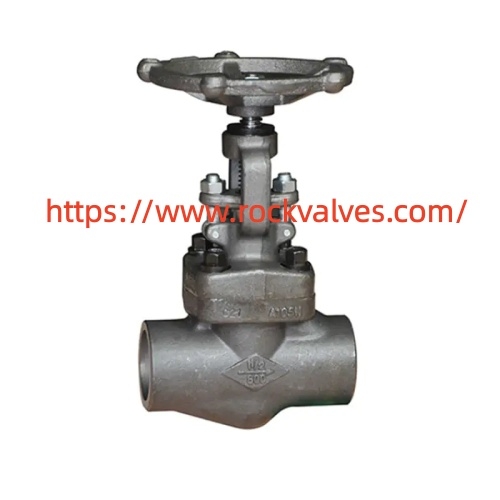
Sour Service Gate Valve selection for oil and gas pipelines starts with a clear definition of the hydrogen sulfide partial pressure and the presence of free water. Once those values are known the isolation unit can be matched to the correct material group and hardness ceiling. Carbon and low alloy bodies stay at or below 22 HRC after all heat treatment and welding steps. Austenitic stainless trim parts remain in the solution annealed condition so that cold work does not raise local hardness beyond the permitted range.
Partial pressure figures and chloride levels decide whether the upstream production standard or the downstream refining standard applies. The upstream version covers higher pressure and chloride combinations while the refining version focuses on wet hydrogen sulfide without heavy chlorides. Specifying the exact edition and part of the standard on the purchase order removes ambiguity for the manufacturer. Mill test reports must show actual hardness readings on the body, bonnet, stem and any weld heat affected zones.
Bolting deserves separate attention. Standard high strength grades often exceed the hardness limit and must be replaced by modified versions that have been tempered to stay inside the accepted band. Nuts follow the same controlled hardness path. Packing and gasket materials are chosen for chemical compatibility rather than hardness yet they still need confirmation that they will not release contaminants into the process stream.
Weld procedures require qualification with hardness mapping across the deposit and the adjacent parent metal. Post weld heat treatment is applied whenever the procedure or the material group demands it so residual stresses stay low and hardness remains controlled. Overlay or hard facing on seating faces uses only those alloys listed as acceptable under the relevant part of the standard.
Rockv manufactures isolation units that follow these material and process controls across common pressure classes and size ranges. The company supplies full certification packages that include hardness maps, heat treatment charts and positive material identification results. Rockv also reviews the fluid analysis data supplied by the buyer so that the final configuration matches the actual pipeline duty before fabrication begins.
Temperature limits and the possible presence of elemental sulfur further refine the material list. Higher temperatures narrow the window for certain stainless grades and may shift the choice toward nickel based alloys. Early communication of these extra factors prevents later design changes and keeps the delivery schedule intact.
When the specification package includes partial pressure, chloride content, temperature range, required standard edition and hardness verification points the resulting isolation unit performs as intended under continuous exposure. Project teams that gather these details before the order is placed experience fewer clarification cycles and smoother site acceptance.
Dimensional drawings, material certificates and test records for current production ranges can be reviewed at https://www.rockvalves.com/ to support detailed project planning.

