


A Complete Guide to Pool Pump Inspection, Repair, and Installation
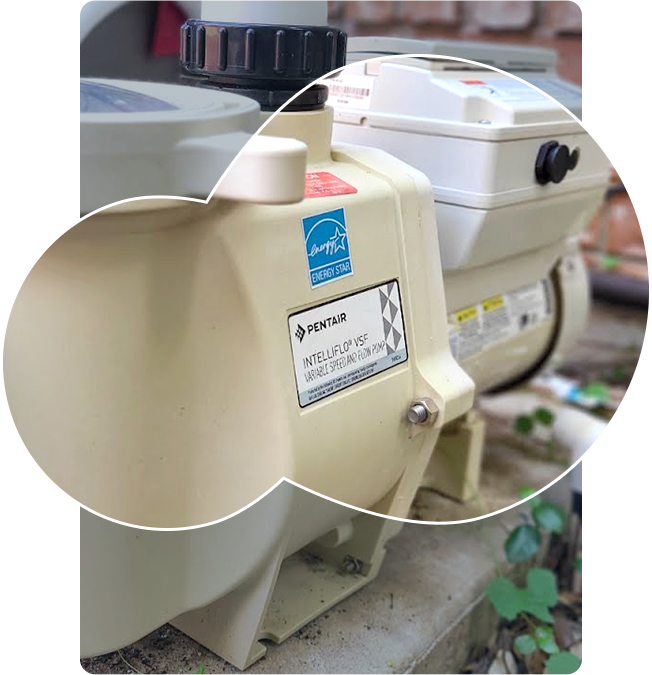
A swimming pool depends on several components working together to maintain clean, clear, and properly circulated water. Among these components, the pool pump plays an essential role. It moves water through the filtration and circulation system, helping distribute treated water throughout the pool. When a pump is not operating correctly, it can affect water quality, filtration, energy use, and the overall performance of the pool system.
Regular pool pump inspection, timely repairs, and professional installation can help keep the circulation system operating reliably. Understanding these services can help pool owners recognize potential problems and make informed decisions about maintaining their equipment.
Why Is a Pool Pump Important?
The pool pump is often considered the central component of the circulation system. It draws water from the pool, sends it through the filtration system, and returns the filtered water to the swimming area.
Good circulation helps prevent stagnant areas and allows the filtration system to remove dirt and other unwanted particles from the water. Proper circulation also helps distribute pool chemicals more evenly.
Because the pump operates regularly, normal wear and tear can eventually affect its performance. Routine inspections can help identify issues before they develop into major equipment problems.
What Does a Pool Pump Inspection Include?
A comprehensive pool pump inspection involves examining the pump and related components to determine whether the system is operating properly. The inspection may include checking the pump motor, housing, connections, seals, valves, and visible plumbing components.
A technician may also listen for unusual sounds and observe the pump while it operates. Grinding, rattling, humming, or excessive vibration can sometimes indicate an equipment problem.
Water flow and pressure can also provide useful information about the condition of the circulation system. If the pump is struggling to move water properly, there may be an issue with the pump itself, the filter, plumbing, or another part of the system.
Regular inspection gives pool owners an opportunity to identify maintenance needs before a small issue becomes a more disruptive failure.
Common Pool Pump Problems
Pool pumps can experience different problems depending on their age, usage, maintenance history, and operating conditions. Some common signs that a pump may need attention include unusual noises, reduced water circulation, leaks, overheating, difficulty starting, or unexpected shutdowns.
A pump that runs but does not circulate water effectively may have an issue involving the plumbing, filter, impeller, or suction system. In other cases, the motor may require repair or replacement.
Leaks around the pump can also require prompt attention. Water around connections, seals, or the pump housing should be investigated to determine the source and prevent further equipment damage.
Professional Pool Pump Repair
When a pool pump develops a problem, professional repair can help restore proper operation. The repair process generally begins with identifying the cause of the problem rather than replacing parts unnecessarily.
Depending on the issue, repairs may involve replacing worn seals, addressing electrical or motor problems, correcting leaks, cleaning components, or replacing damaged parts.
Professional repair can be useful when the pump is otherwise in good condition but has developed a specific mechanical or operational issue. Proper diagnosis helps determine whether repairing the existing equipment is practical.
When Should a Pool Pump Be Replaced?
Repair is not always the most suitable option. An older pump with repeated problems, significant component damage, or poor efficiency may eventually require replacement.
A replacement decision can depend on the pump's age, repair history, operating performance, energy consumption, and overall condition. A professional inspection can help determine whether continuing to repair the existing pump makes sense or whether installing a new unit would be more practical.
Modern pool pumps may also offer improved efficiency compared with older equipment. Choosing an appropriately sized pump is important because an oversized or undersized system may not provide the desired circulation performance.
Professional Pool Pump Installation
Installing a new pool pump requires more than simply connecting the equipment to existing plumbing. The pump needs to be properly matched to the pool's circulation requirements and compatible with the existing filtration system.
Professional installation can include removing the old equipment, positioning the new pump correctly, connecting plumbing, checking electrical connections, and testing the system.
Proper installation helps ensure that water flows correctly through the circulation system. It can also reduce the possibility of leaks, connection problems, or operational issues caused by incorrect installation.
How Regular Pump Maintenance Helps
Routine maintenance can help extend the useful life of pool equipment. Keeping the pump and surrounding area clean, monitoring water flow, checking for leaks, and paying attention to unusual sounds can help identify potential problems early.
Pool owners should also follow the manufacturer's maintenance recommendations for their specific pump model. Different systems may have different requirements for operation, cleaning, and servicing.
Regular professional inspections can provide an additional layer of protection, especially for pools that are used frequently or operate for long periods.
Choosing the Right Pool Pump Service
When selecting a pool pump inspection, repair, or installation service, homeowners should consider experience, service quality, communication, and knowledge of different pool circulation systems. A reliable service provider should be able to explain the identified problem and clearly describe the recommended solution.
It is also useful to choose a service that can handle different stages of pool pump care, from inspection and troubleshooting to repair and replacement. This provides a more complete approach to maintaining the circulation system.
Conclusion
A properly functioning pool pump is essential for effective water circulation and filtration. Regular inspections can help identify developing problems, while professional repairs can restore equipment performance when specific components fail. When a pump reaches the end of its useful life, professional installation of a suitable replacement can help improve the reliability of the pool's circulation system.
By paying attention to pump performance and addressing maintenance needs promptly, pool owners can support cleaner water, more consistent circulation, and dependable pool operation. Comprehensive pool pump inspection, repair, and installation services provide a practical approach to keeping one of the most important parts of a swimming pool system working properly.

