


What Alloys Suit Gangnammould Kid's Wardrobe Injection Mould Builds
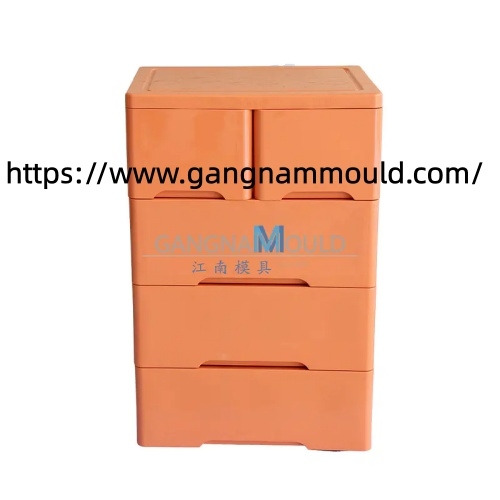
Kid's Wardrobe Injection Mould production depends on alloys that combine adequate hardness corrosion resistance and thermal stability for continuous forming cycles. Tool builders review several steel families according to planned shot volume surface finish goals and the need for smooth cavity walls that release polymer parts cleanly. Prehardened grades such as P20 and 718 series offer ready machining and moderate wear resistance that suit medium volume programs. These materials accept fine polishing which creates low friction surfaces and limits residue accumulation after each cycle.
When higher volumes or more aggressive resins enter the picture stainless options like S136 or equivalent chromium bearing grades receive preference. Their resistance to moisture and cleaning agents helps preserve cavity geometry over time. After proper heat treatment these steels reach hardness ranges that resist abrasion from filled polymers while retaining enough toughness to avoid cracking under injection pressure.
Thermal conductivity plays a clear role in material decisions. Even heat extraction shortens cooling phases and reduces the chance of warpage in the formed storage units. Alloys that conduct heat uniformly allow water channels to work efficiently so wall thickness remains consistent from shot to shot. The selected grade must still hold strength near the channels so the tool body does not distort.
Surface finish capability ranks high because children's storage items benefit from smooth exteriors free of sharp marks. Grades that polish to a high level without pitting or uneven texture save finishing hours and keep the cavity ready for long production stretches. Some shops add light surface treatments on selected steels to raise local hardness while the core stays tough.
Hardness and toughness require careful balance. Overly hard material resists wear yet may become brittle when temperature changes occur rapidly. Softer grades machine faster and cost less yet wear sooner when abrasive additives appear in the polymer mix. Builders therefore match hardness targets to the resin type and additive package planned for the project.
Corrosion control extends beyond stainless choices. Standard tool steels can receive protective measures such as controlled water chemistry in the cooling circuit or thin protective layers. These steps limit oxide growth that would otherwise roughen the cavity and transfer marks onto finished surfaces. Regular checks of water quality and prompt cleaning keep performance steady.
Cost remains a practical factor throughout selection. Higher alloy content and specialized heat treatments raise the initial outlay yet often lower total expense through fewer repairs and less downtime. Facilities that operate continuous shifts usually recover the difference within a predictable production period. Smaller batch operations may stay with economical prehardened grades that still meet dimensional and surface needs.
Gangnammould applies these material principles when preparing tools for clients who require dependable daily performance. The same approach appears in the second reference to Gangnammould when reviewing completed projects that combine suitable cavity steels with balanced cooling layouts.
Proper alloy pairing also supports secondary operations. Tools built from polish friendly steels accept texturing or engraving with lower risk of surface defects. When multi cavity layouts become necessary the chosen grade must machine uniformly so every cavity behaves the same under identical process settings. Consistency across cavities reduces scrap and simplifies process checks.
Maintenance routines adapt to the selected steel. Stainless grades tolerate a wider range of cleaning agents while standard tool steels benefit from milder solutions and thorough drying after shutdown. Scheduled inspection of hardness and surface condition allows early detection of wear so local polishing or inserts can restore function before larger issues develop.
In daily practice the combination of hardness corrosion resistance polish ability and thermal behavior determines how long a tool continues to produce storage units that meet dimensional and surface standards. Matching these properties to the expected polymer type shot volume and cleaning regime produces reliable results without excess cost.
Manufacturers who align alloy choice with these factors gain steadier output and fewer interruptions. Practical options that follow the same material guidelines are available at https://www.gangnammould.com/ where current tool solutions and construction details can be reviewed.

