


How Waterproofing Companies Diagnose Building Leaks
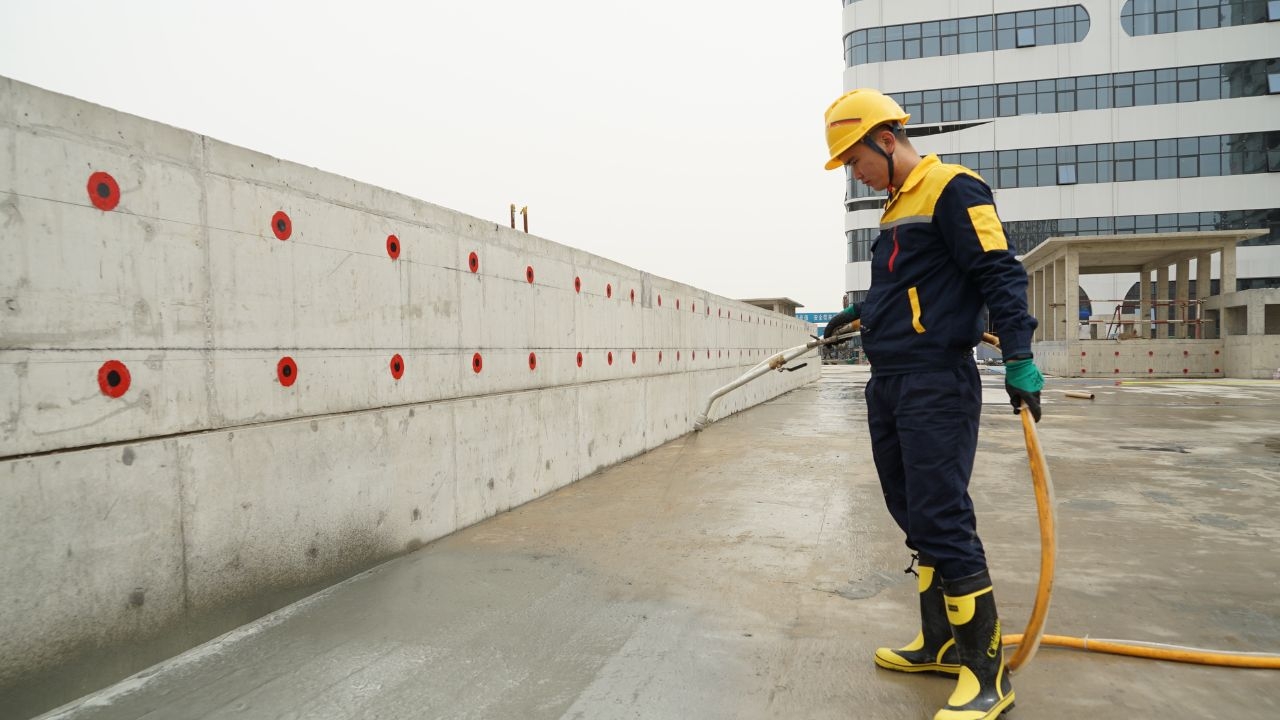
A waterproofing company in Singapore uses systematic inspection methods to identify where building leaks originate. Because water can travel through hidden cracks, joints, pipes, and building materials, finding the visible damp spot is not always enough. Professional diagnosis helps property owners address the actual source before the problem becomes more expensive.
Why Accurate Leak Diagnosis Matters
A building leak may appear simple, but the visible water stain is often located away from the actual entry point. Water can move through concrete, masonry, ceilings, tiles, and other materials before becoming noticeable.
For property owners, correctly identifying the source is important because an incorrect repair may only hide the symptoms temporarily. Professional leak diagnosis focuses on finding the underlying cause, allowing the appropriate waterproofing or repair method to be selected.
Common consequences of unresolved water leakage include:
-
Damp walls and ceilings
-
Peeling paint
-
Staining and discoloration
-
Damaged plaster or concrete
-
Mould and unpleasant odours
-
Deterioration of building materials
-
Damage to interior finishes
-
Recurring ceiling or wall leaks
A structured inspection can help determine whether the problem is caused by waterproofing failure, plumbing, cracks, poor drainage, or another source.
Initial Visual Inspection
The first stage of leak diagnosis is usually a detailed visual inspection. Professionals examine both the affected area and nearby building components for signs that can indicate where moisture is entering.
Looking for Water Stains
Water stains on ceilings and walls can provide useful clues. Their size, shape, location, and colour may help inspectors understand how moisture is moving through the structure.
However, a stain alone does not necessarily identify the source. Water may travel horizontally or vertically inside building materials, making the actual entry point difficult to see.
Checking Cracks and Gaps
Inspectors look closely at:
-
Concrete cracks
-
Wall joints
-
Floor-to-wall junctions
-
Expansion joints
-
Window frames
-
Balcony edges
-
Pipe penetrations
-
Roof and terrace surfaces
Even relatively small openings can allow water to enter when exposed to heavy rain or persistent moisture.
Examining Previous Repairs
Previous repair work can also provide valuable information. If an area has already been sealed, patched, or repainted but continues to leak, professionals may investigate whether the original source was incorrectly identified.
This prevents property owners from repeatedly paying for temporary repairs without addressing the underlying problem.
Inspecting the Building Exterior
For many leakage problems, the exterior of the building must be examined. Singapore's frequent rainfall means exposed surfaces can experience repeated water penetration if waterproofing systems, joints, or drainage components have deteriorated.
A waterproofing company in Singapore may inspect external walls, roofs, balconies, terraces, windows, and other areas that are exposed to rain.
Roof and Terrace Inspection
Flat roofs and exposed terraces can develop problems around:
-
Waterproofing membranes
-
Drain outlets
-
Surface cracks
-
Parapet walls
-
Flashing
-
Junctions between different materials
-
Ponding areas
Water that remains on a surface for extended periods can increase the risk of penetration when drainage or waterproofing is inadequate.
External Wall Inspection
External wall cracks can provide pathways for rainwater. Inspectors may examine cracks around windows, structural joints, façade elements, and service penetrations.
They also consider whether water could be entering through one location and appearing somewhere else internally.
Checking Drainage Systems
Poor drainage is another potential contributor to building leaks. Water needs to move away from roofs, balconies, bathrooms, and other wet areas efficiently.
Identifying Drainage Problems
Professionals may check whether:
-
Floor drains are blocked
-
Gutters are damaged
-
Downpipes are leaking
-
Drain outlets are poorly positioned
-
Water is pooling on flat surfaces
-
Drainage channels have deteriorated
Blocked or poorly functioning drainage can create prolonged water exposure, increasing pressure on waterproofing systems.
For this reason, leak diagnosis should not focus only on walls and ceilings. Drainage conditions around the affected area can be equally important.
Moisture Detection and Testing
Visual inspection is useful, but hidden moisture may require additional investigation. Professional contractors can use suitable moisture-detection methods to determine whether water is present inside walls, ceilings, floors, or other materials.
Moisture Meter Testing
A moisture meter can help identify areas with elevated moisture levels. By comparing readings from affected and unaffected areas, inspectors can build a better understanding of the extent of the problem.
This can be especially useful when there is no obvious dripping water but dampness or staining continues to appear.
Thermal Imaging
Thermal imaging can sometimes help identify temperature differences associated with moisture. It may allow professionals to investigate areas that are difficult to inspect visually.
However, thermal imaging does not automatically prove that a particular location is the leak source. The results need to be interpreted alongside visual observations and other testing methods.
Water Testing
Controlled water testing can be useful when the suspected entry point needs confirmation. Depending on the situation, professionals may introduce water to a specific area while monitoring the affected interior location.
For example, if a window is suspected of allowing rainwater into an internal wall, controlled testing can help determine whether water penetration occurs around that opening.
Why Controlled Testing Is Important
Simply spraying water over a large area may make it difficult to determine the exact source. A systematic approach helps narrow down the possible entry points.
Testing may be particularly useful for investigating:
-
Windows
-
Balconies
-
Bathrooms
-
Roofs
-
Terraces
-
External walls
-
Pipe penetrations
Investigating Plumbing-Related Leaks
Not every building leak is caused by waterproofing failure. Plumbing problems can produce very similar symptoms.
A professional inspection may therefore consider water supply pipes, drainage pipes, bathroom fixtures, concealed plumbing, and connections.
Waterproofing Failure vs Plumbing Leak
There are several clues that may help distinguish the two.
A leak that appears mainly after rainfall may suggest an external water-ingress issue. In contrast, moisture that occurs regardless of weather conditions may require investigation of plumbing or drainage systems.
However, these clues are not definitive. Proper testing is more reliable than assuming the cause based solely on timing or location.
An experienced contractor such as Allseal Waterproofing PTE Ltd can assess the surrounding conditions before recommending a repair approach.
Checking Bathrooms and Wet Areas
Bathrooms are common locations for water-related problems because they are continuously exposed to moisture. Leaks may develop because of damaged waterproofing layers, deteriorated grout, failed sealants, plumbing issues, or problems around floor traps and pipe penetrations.
Common Bathroom Inspection Points
Inspectors may examine:
-
Shower areas
-
Floor-to-wall joints
-
Tile surfaces
-
Grout lines
-
Floor traps
-
Pipe penetrations
-
Sanitary fittings
-
Wall corners
-
Waterproofing junctions
A visible stain on the ceiling below a bathroom does not necessarily mean the entire bathroom floor is leaking. The source could be a specific pipe, joint, fixture, or waterproofing defect.
Tracing the Path of Water
One of the most important parts of professional leak diagnosis is understanding how water travels.
Water follows paths of least resistance. It can move through cracks, porous materials, joints, cavities, and other pathways before emerging at a visible location.
Why the Visible Leak May Be Misleading
Imagine a water stain appearing in the middle of a ceiling. It may be tempting to repair that exact point. However, the water could have entered through a crack several metres away and travelled through the structure.
Repairing only the visible symptom may not stop the leak.
A professional diagnosis therefore attempts to connect the visible evidence with possible entry points and water pathways.
Assessing Building Materials
Different building materials respond differently to moisture. Concrete, plaster, masonry, tiles, sealants, and membranes can all show different signs of water exposure.
Inspectors consider the condition of these materials when determining the likely cause.
For example, cracks in concrete may require a different repair strategy from failed sealant around a window. Similarly, deteriorated waterproofing in a bathroom may require a different solution from a leaking external wall.
This material-specific assessment helps avoid using the same repair method for every type of leakage.
Reviewing Weather and Leak Patterns
Singapore's tropical climate makes rainfall an important factor when investigating building leaks. Property owners can help contractors by recording when and under what conditions the leak occurs.
Useful observations include:
-
Whether the leak occurs during heavy rain
-
Whether it happens after prolonged rainfall
-
Whether it appears only during certain weather conditions
-
Whether the affected area remains damp afterward
-
Whether the leak occurs even during dry weather
These patterns can provide useful supporting evidence during the investigation.
Preparing a Leak Diagnosis Report
After inspection and testing, a professional contractor may document the findings. A useful report can explain the suspected source, affected areas, observations, testing performed, and recommended repair approach.
What a Good Diagnosis Should Include
A comprehensive assessment may cover:
-
Location of visible damage
-
Potential water entry points
-
Condition of waterproofing surfaces
-
Moisture observations
-
Drainage and plumbing considerations
-
Testing results
-
Recommended repair method
-
Preventive measures
Clear documentation helps property owners understand why a particular repair is being recommended instead of simply receiving a repair quotation without context.
Choosing the Right Repair After Diagnosis
Once the source has been identified, the repair method should be matched to the actual problem.
Depending on the findings, solutions may involve crack repair, sealant replacement, waterproofing treatment, membrane repair, drainage improvement, plumbing repair, or other building maintenance work.
The diagnosis should come before the repair whenever possible. Applying waterproofing materials without understanding the source can result in unnecessary costs and recurring problems.
A professional waterproofing company in Singapore can evaluate the specific conditions of a property and determine which areas require attention.
How Allseal Waterproofing PTE Ltd Approaches Leak Problems
Allseal Waterproofing PTE Ltd focuses on investigating water-ingress problems before determining an appropriate waterproofing solution. A systematic assessment can help identify whether moisture is entering through cracks, joints, wet areas, external surfaces, drainage points, or other vulnerable locations.
For property owners, this approach is useful because recurring leaks often require more than simply sealing the point where water becomes visible.
The objective is to understand the building's condition, identify potential entry pathways, and recommend a repair strategy suited to the underlying issue.
How Property Owners Can Help With Leak Diagnosis
Property owners can make the inspection process easier by providing as much information as possible.
Before the inspection, consider recording:
-
When the leak was first noticed
-
Which rooms are affected
-
Whether the problem becomes worse during rain
-
Whether previous repairs were completed
-
Where previous waterproofing work was performed
-
Whether plumbing work has recently taken place
-
Whether stains or dampness are spreading
Photographs and videos taken when the leak is active can also provide useful evidence, especially if the problem is intermittent.
Why Professional Diagnosis Is Worth Considering
Trying to identify a building leak without proper experience can be challenging because moisture does not always behave in an obvious way.
A professional inspection combines visual assessment, moisture investigation, building-condition checks, and appropriate testing to narrow down the possible causes.
This can help property owners avoid repeatedly repairing the wrong location and potentially reduce unnecessary repair work.
For complex or recurring leakage, working with an experienced contractor such as Allseal Waterproofing PTE Ltd can provide a more structured approach to identifying the problem.
Conclusion
A waterproofing company in Singapore diagnoses building leaks by examining visible damage, water pathways, cracks, drainage, plumbing, waterproofing systems, and moisture conditions. Accurate diagnosis helps property owners address the underlying cause rather than repeatedly treating visible symptoms, making long-term leak prevention more achievable.

