


Laser Cutting Welding Machine: One Modern Solution for Precise Metal Fabrication
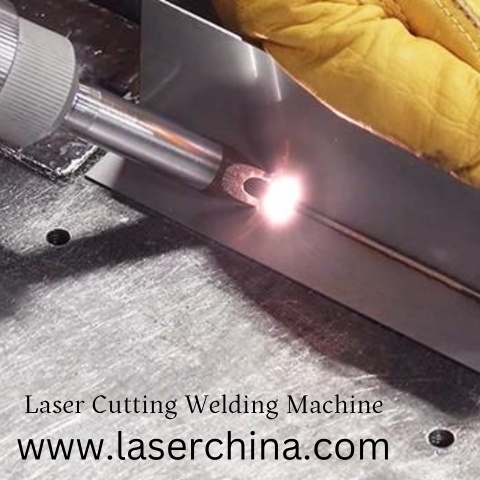
Metal fabrication continues to evolve as manufacturers look for faster, cleaner, and more precise ways to process different materials. A laser cutting welding machine brings cutting and welding operations into a modern production environment, allowing workshops and industrial facilities to handle multiple stages of metal processing with advanced laser technology. Instead of depending entirely on separate conventional machines for every operation, manufacturers can use integrated laser equipment to support accurate cutting and reliable welding for a wide range of applications.
From customized metal components to industrial assemblies, laser-based processing has become increasingly relevant across many sectors. Understanding how these machines work, what materials they can process, and where they can be used helps businesses select equipment according to their production requirements.
Understanding a Laser Cutting Welding Machine
A laser cutting welding machine combines laser-based metal cutting and welding capabilities in one production solution. During cutting, a concentrated laser beam is directed onto the material to melt or vaporize a precisely controlled section. An assisting gas can help remove molten material from the cutting area, producing the desired shape.
For welding, the laser energy is concentrated along the joint between two metal pieces. The material melts locally and forms a weld as the molten area cools. Because the laser can be controlled with high precision, operators can work with detailed components and carefully defined joints.
The exact configuration varies according to the manufacturer, laser source, power rating, working area, control system, and intended application. Businesses can therefore choose equipment based on material thickness, production volume, component dimensions, and required processing methods.
How Laser Cutting Technology Works
Laser cutting starts with a digital design or programmed cutting pattern. The control system translates the design into machine movements, guiding the laser head along the required cutting path.
The laser beam concentrates energy into a small area, generating enough heat to process the material. Depending on the material and thickness, different laser power levels and processing parameters may be required. Cutting speed, focal position, assist-gas pressure, and other settings can influence the final result.
Manufacturers can prepare digital files before production and adjust cutting patterns according to different orders. This flexibility is particularly useful for businesses handling customized products or frequent design changes.
Laser Welding in Metal Fabrication
Welding is an important part of manufacturing because many finished products require several individual components to be joined together. Laser welding uses concentrated energy to create a localized weld area.
Compared with broader heat sources, laser welding focuses energy around the joint. This allows manufacturers to work on many applications where controlled heat input is important. Depending on the material, joint configuration, and thickness, operators can establish suitable welding parameters for consistent processing.
Laser welding can be used on components made from materials such as stainless steel, carbon steel, aluminum, galvanized metals, and other compatible alloys. Material preparation and machine settings remain important because different metals react differently during laser processing.
Materials Commonly Processed
A laser cutting welding machine can be configured for different metal-processing requirements. Stainless steel is widely used in industrial equipment, kitchen products, architectural components, and fabrication projects. Laser technology can process stainless steel sheets and components with carefully controlled parameters.
Carbon steel is another common material used in structural parts, machinery, brackets, frames, and industrial products. Aluminum may also be processed using appropriate laser equipment and settings.
Copper and brass require particular attention because their reflective properties can affect laser processing. Machines designed for these materials may use suitable laser sources and configurations.
Before purchasing equipment, manufacturers should confirm the recommended material range, thickness capacity, laser source specifications, and processing parameters with the machine supplier.
Applications Across Different Industries
Laser cutting and welding are used across a broad range of manufacturing industries. Metal furniture manufacturers can use laser processing to produce frames, panels, brackets, and decorative components.
In automotive manufacturing and related workshops, laser processing can support the production and repair of various metal components. Machinery manufacturers can use laser cutting to create accurately shaped parts before assembling them through welding.
The construction and architectural sectors can also use laser-cut components for customized structures, decorative panels, railings, and other metal products.
Electrical enclosure manufacturers, kitchen equipment producers, signage companies, and sheet-metal workshops can similarly incorporate laser processing into their production workflows.
Supporting Customized Manufacturing
Modern customers often request products with specific dimensions, shapes, and designs. Traditional production methods may require significant preparation when each order is different. Laser processing provides a more adaptable approach because digital designs can be modified and sent to the machine for production.
This makes laser technology suitable not only for large-scale manufacturing but also for businesses that focus on customized and small-batch production.
Choosing Suitable Laser Power
Laser power is one of the important considerations when selecting equipment. The appropriate power depends on the materials being processed and their thickness.
A machine intended primarily for thin sheet metal may have different requirements from equipment designed for heavier industrial materials. Higher laser power can support the processing of thicker materials, but businesses should not select power based solely on the highest available specification.
Production requirements, material types, expected workload, cutting thickness, welding applications, and budget should all be considered. A supplier can help determine a suitable configuration based on the company's actual manufacturing needs.
Machine Control and Digital Production
The control system plays an important role in modern laser processing. Operators can use digital designs and programmed parameters to guide cutting and welding operations.
Computer-controlled movement helps maintain the planned processing path, while adjustable parameters allow operators to work with different materials and thicknesses.
Digital production also makes it easier to repeat previously developed designs. Once appropriate parameters have been established and verified, manufacturers can use them as a reference for future production.
For businesses managing multiple product designs, organized digital files can help streamline the transition between different jobs.
Maintenance and Daily Operation
Regular maintenance is essential for keeping laser equipment operating consistently. Operators should follow the manufacturer's maintenance schedule and inspect components according to the machine's operating requirements.
Laser optics, protective components, cooling systems, moving mechanisms, and other machine parts may require periodic inspection or cleaning. The working area should also be kept clean to reduce the possibility of contamination affecting production.
Operators should receive proper training before using the equipment. Correct setup, material positioning, parameter selection, and safety procedures are important for reliable operation.
Because laser equipment involves concentrated optical energy and high temperatures, manufacturers should always follow the machine supplier's safety instructions and applicable workplace regulations.
Integrating Cutting and Welding Into Production
A laser cutting welding machine can support a connected workflow in which components are first cut and subsequently prepared for welding. This can help workshops organize production around a single laser-processing platform.
For example, a manufacturer may cut individual panels and brackets from sheet metal, prepare the components, and then weld them into a finished assembly. The workflow can be adapted according to the product design and manufacturing process.
Selecting Equipment for Your Business
When evaluating laser equipment, businesses should begin by identifying their actual production requirements. Material type, maximum thickness, component dimensions, cutting workload, welding applications, production volume, and available workspace should all be considered.
A reliable supplier should be able to provide technical specifications, application guidance, installation support, operator training, and after-sales service. Comparing these factors helps businesses select equipment that matches their long-term production plans rather than focusing only on the initial purchase price.
Final Thoughts
Laser technology is becoming an important part of modern metal fabrication, offering manufacturers a precise approach to both cutting and welding applications. A laser cutting welding machine can be incorporated into workflows involving stainless steel, carbon steel, aluminum, and other compatible metals.

