


Surviving the Night: A Beginner's Guide to Five Nights at Freddy's
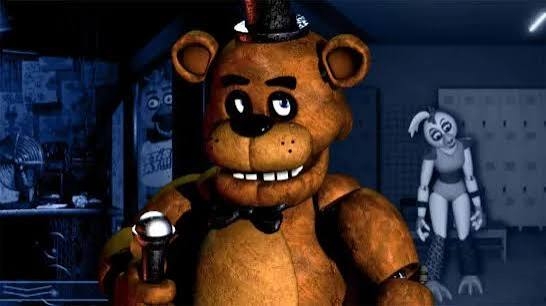
If you've never experienced a proper jump-scare game before, you're in for something special. Horror games aren't just about being scared—they're about managing panic, making quick decisions, and learning from your mistakes. Fnaf is the perfect entry point into this genre, and I'm here to walk you through what makes it so compelling.
Why FNAF Still Matters
Released in 2014, FNAF became a cultural phenomenon for good reason. It proves that great horror doesn't require cutting-edge graphics or massive budgets. Instead, it relies on atmosphere, anticipation, and the fear of the unknown. The game puts you in the shoes of a security guard working the graveyard shift at Freddy Fazbear's Pizza, where animatronic performers prowl the halls after closing time.
What makes this premise so effective is its simplicity. You're trapped in a security office with limited tools and limited information. The animatronics aren't trying to talk to you or explain their motivations—they're just coming for you, and you need to survive five nights. That's it. That's the whole game. Yet somehow, it creates an experience that stays with you long after you finish playing.
How the Gameplay Actually Works
The beauty of FNAF is that it's not a traditional action game. You're not running, jumping, or fighting. Instead, you're managing resources and monitoring cameras from a stationary position. Your office has two doors (left and right), each with a light you can turn on and a lock you can engage. You also have access to security cameras throughout the facility.
The core mechanic revolves around power consumption. You have a limited power supply that depletes as you use lights, locks, and cameras. If it reaches zero, the lights go out, the doors unlock, and you're done for. This creates constant tension—do you use the light to see what's outside your door, or do you save power for locking down when something gets close?
The animatronics move through the building on a preset schedule, but their behavior changes based on difficulty and how you respond to them. Some are more aggressive than others. Freddy is relatively patient, but Foxy becomes increasingly hostile if you ignore him. You'll learn these patterns through experience (and repeated failures), and that's where the real strategy comes in.
Practical Tips for Surviving Your Shifts
Master Camera Usage: Don't rely solely on the door lights. Use your cameras strategically to track where animatronics are located. This helps you predict when to lock doors without wasting power on unnecessary light checks.
Balance Your Resources: This can't be stressed enough. Aggressive light and door usage early in the night will cripple you later when multiple animatronics converge on your position. Learn to be selective. Sometimes it's better to let an animatronic come down a hallway and lock the door at the last second rather than flip the light repeatedly.
Understand Each Animatronic's Behavior: Bonnie and Chica are fairly straightforward—they move when you're not watching. Foxy becomes increasingly aggressive if neglected, so check the Pirate Cove camera occasionally to keep him calm. Freddy is the main threat on higher difficulties, lurking in the background until he makes his move.
Control Your Fear: This might sound odd, but jump scares are more effective when you're tense and unprepared. The game wants you panicking, making poor decisions. Take your time with camera checks. Stay methodical. A calm mind beats quick reflexes in FNAF because you're not reacting to immediate threats—you're predicting them.
Learn From Each Failure: Every time you die, you learn something. Maybe you used too much power, or you locked a door too late. The game respects this learning process. You're not punished harshly for dying; you simply try again. This encourages experimentation and strategic thinking rather than pure luck.
Use the Phone Message: At the start of each night, a voice message plays explaining some lore. There's subtle strategy hidden in these messages. They provide hints about animatronic behavior and sometimes explain what triggers certain events. Paying attention makes the experience richer and gives you actual intel to work with.
Why This Game Works as an Introduction to Horror
FNAF succeeds because it's self-contained and respectful of your time. There's no sprawling narrative to follow, no complicated mechanics to master. A single run takes five to eight minutes. This simplicity makes it perfect for people new to horror games—you can jump in, test your nerves, and decide if you want to go deeper.
The game also proves that horror is about psychology, not gore. You never see anything graphically violent. The scares come from atmosphere, sound design, and your own imagination filling in the blanks. That's actually scarier than anything explicit could be.
Final Thoughts
Horror games like FNAF offer something different from passive entertainment. They put you in control and force you to make decisions under pressure. You'll succeed, you'll fail spectacularly, and you'll probably find yourself anxious in ways you didn't expect. That's not a flaw—that's the point.
If you're curious about experiencing what makes horror games special, FNAF is the perfect starting ground. It's short, it's challenging, and it respects both your intelligence and your time. Whether you're a horror veteran or someone who jumps at their own shadow, there's something compelling here.
So if you're ready to test your nerve and spend a few nights in a pizza place that's definitely not haunted (spoiler: it absolutely is), jump in and see how far you can make it. Just remember—keep an eye on those cameras.

