


Material Selection for Modern Food Preparation Applications
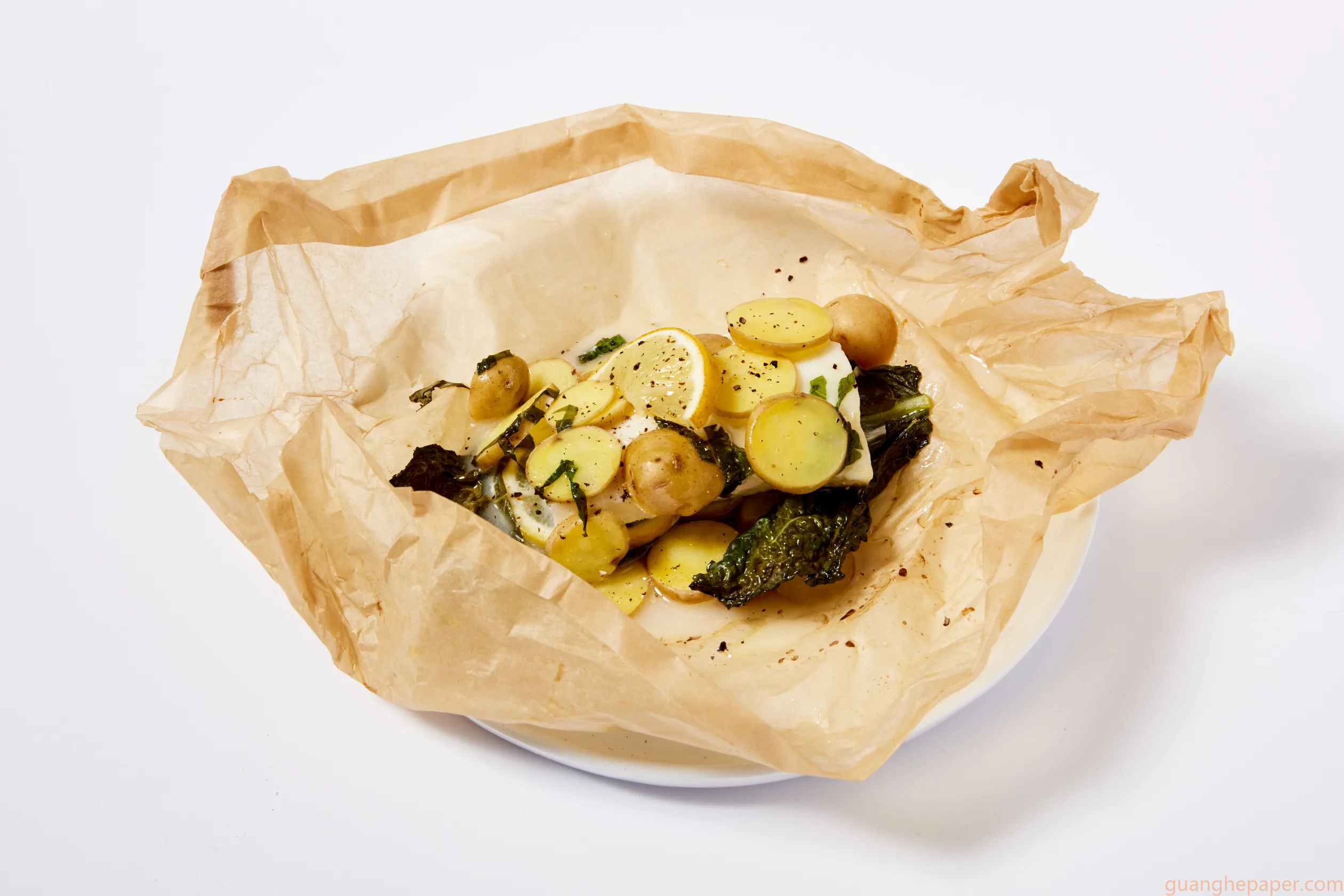
Baking environments require paper materials that are practical to handle and suitable for different preparation workflows. Baking Paper combines a paper substrate with controlled surface treatment and converting processes to create formats for baking and food preparation. Its final characteristics depend on several connected manufacturing stages, including material selection, coating, curing, cutting, inspection, and packaging.
The substrate provides the foundation for the finished material. Its surface condition, fiber structure, formation, and dimensional stability can influence subsequent coating and converting. A consistent paper base helps manufacturers maintain stable production conditions and supports predictable handling during later stages. Raw materials should be selected according to the intended application and required finished format.
Silicone coating is a key part of the production process. It creates a functional surface that can support convenient food release during baking and preparation. Uniform coating coverage is important because variations across the surface may affect practical performance. Manufacturers therefore need to control coating application, curing conditions, equipment operation, and the relationship between the coating system and the paper substrate.
After coating, converting processes transform large rolls into usable formats. Slitting can create narrower rolls, while cutting can produce individual sheets in specified dimensions. Other processes may be used for liners or customized formats. Accurate converting allows finished paper to fit different baking trays, preparation areas, equipment, and commercial workflows.
The preferred format depends on the user's working process. Rolls can provide flexibility for businesses that need different lengths, while pre-cut sheets can simplify repetitive preparation. Bakeries, restaurants, food processors, and other commercial users may have different requirements depending on their equipment and production routines. Selecting the appropriate format can make the paper easier to incorporate into existing workflows.
Dimensional consistency is especially relevant for commercial applications. Stable sheet dimensions can make paper easier to position and stack, while consistent roll widths can support predictable cutting and handling. Clean edges and controlled winding can also improve convenience during storage and preparation. These characteristics become more significant when paper is used repeatedly in high-volume operations.
Quality inspection should be performed throughout the manufacturing process. Manufacturers can monitor the appearance of the substrate, coating condition, surface consistency, dimensions, edge quality, roll structure, and packaging. Checking different characteristics at different production stages can help identify variations before finished goods are shipped. Process records can also support consistency when customers place recurring orders.
Packaging protects the finished paper during storage and transportation. Rolls and sheets may move through warehouses, distribution centers, and logistics networks before reaching the final user. Suitable packaging helps reduce exposure to contamination, moisture, compression, and physical damage. Appropriate storage conditions can further help preserve the material until it is ready for use.
Different baking applications may require different material configurations. Pastry production, bread preparation, cookie baking, food service, and other processes can involve different equipment and handling requirements. Manufacturers therefore need to understand application differences when developing finished formats. Customization may involve dimensions, roll configurations, packaging, or other practical characteristics.
For buyers, evaluating production methods can provide useful information when comparing food paper products. Substrate selection, silicone coating, converting accuracy, inspection procedures, and packaging all contribute to the finished material. Guanghe integrates these stages for food paper applications and offers formats designed for baking and food preparation. Businesses reviewing Baking Paper options can explore available products at https://www.guanghepaper.com/product/ and match suitable formats with their specific operational needs.

