


Velux Cabrio Leeds: A Complete Guide to Cabrio Roof Windows
A loft can be one of the most valuable spaces in a home, but its usefulness often depends on how much natural light, ventilation, and headroom it provides. Traditional roof windows can brighten an attic, yet some homeowners want a larger opening that creates a stronger connection between the loft and the outside. This is where a balcony-style roof window can become an interesting option.
A Velux Cabrio Leeds is designed to combine the practical benefits of a roof window with the additional space and visual appeal of a small roof balcony. When opened, the system transforms part of the roof into a sheltered balcony area while also allowing more daylight and fresh air into the room. For homeowners considering this type of installation, understanding the design, suitability, installation process, costs, maintenance requirements, and planning considerations is important before making a decision.
For properties in Yorkshire, choosing the right roof window system also means considering the local climate and the characteristics of the building. Leeds homes vary considerably, from traditional terraces and older properties to modern houses and converted lofts. Therefore, the roof structure, pitch, materials, insulation, and existing windows should all be assessed before installation.
What Is a Velux Cabrio Roof Window?
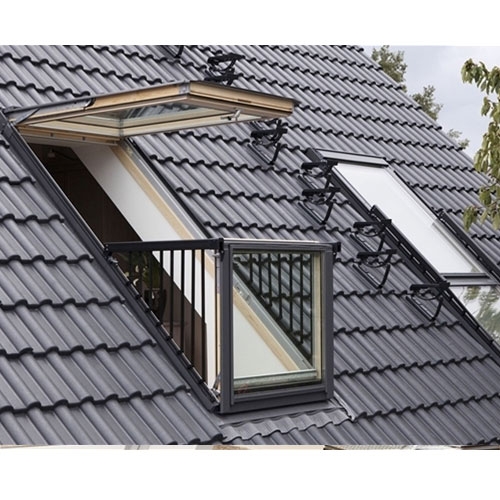
A Velux Cabrio is a roof window system that can transform into a balcony-style opening. Unlike a conventional roof window, it consists of two sections that work together. The upper section opens upwards while the lower section extends outward to create a small balcony with a protective balustrade.
When closed, the unit functions similarly to a conventional roof window, maintaining the appearance and weather protection expected from a modern roof window. When opened, however, it provides a larger opening and a more spacious feeling within the loft.
This design can be particularly useful where homeowners want to make better use of an attic conversion without constructing a full traditional balcony.
How the Cabrio System Works
The upper window section can be opened to provide ventilation and daylight. When the lower section is operated, the integrated balcony structure extends outward. The balustrade forms automatically as part of the opening mechanism, helping create a defined outdoor area.
Once closed, the system returns to a compact roof-window configuration. This makes it practical for homeowners who want balcony functionality without leaving a permanent balcony structure exposed to the weather.
Why Consider a Cabrio Roof Window in Leeds?
Homeowners researching Velux Cabrio Leeds installations are often looking for ways to improve an existing loft conversion or create a more attractive and functional attic space.
Leeds has a wide variety of residential properties, and many loft spaces have potential that is not fully utilised. A well-designed roof window can change the character of an attic room by introducing more daylight and improving ventilation.
More Natural Light
One of the biggest advantages of a large roof window is the amount of natural light it can introduce. Loft rooms can sometimes feel enclosed because conventional vertical windows are limited by the shape and position of the walls.
A roof window places glazing directly into the roof plane, allowing daylight to enter from above. A larger balcony-style window can provide an even greater visual opening, depending on the configuration and available roof area.
Improved Ventilation
Good ventilation is important in loft rooms, especially bedrooms, offices, and living spaces. Opening a roof window can help fresh air circulate through the room.
Better airflow can make an attic feel more comfortable during warmer periods while also helping reduce stuffiness.
A Stronger Connection With the Outdoors
A Cabrio-style installation provides something that a standard roof window cannot: a direct opening onto a small balcony area.
This can make a loft bedroom or home office feel considerably more open. Even when the balcony is relatively compact, the ability to step outside can change how the room is used.
Is a Cabrio Suitable for Every Property?
Although this type of roof window can be suitable for many properties, it is not automatically appropriate for every roof.
The existing roof structure needs to be assessed before installation. Important considerations can include roof pitch, available space, rafters, structural requirements, internal room dimensions, roof coverings, and the position of existing services.
Roof Pitch and Available Space
The roof must meet the manufacturer's requirements for the selected product. The available roof area also needs to accommodate the window system without creating conflicts with structural elements or other roof features.
A professional assessment should therefore take place before ordering the unit.
Existing Loft Conversion
If the property already has a loft conversion, the installation may require additional consideration. Existing insulation, plasterboard, electrical wiring, flooring, and structural alterations can affect the work involved.
Where necessary, the installer may need to remove and reinstate sections of internal finishes around the window.
Installation Considerations
Installing a large roof window and balcony system is more involved than simply replacing a standard window. Correct fitting is important for weather resistance, insulation, drainage, and long-term performance.
A qualified roofing professional should inspect the roof and determine how the installation can be completed safely.
Structural Assessment
The roof structure must be considered before any opening is created. Depending on the property, structural alterations may be necessary around the window.
The existing rafters and surrounding construction should therefore be examined rather than assuming that the new unit can simply replace an existing opening.
Weatherproofing
Leeds experiences a mixture of rain, wind, cold temperatures, and changing weather throughout the year. Consequently, proper weatherproofing is an important part of any roof-window installation.
Flashing, drainage channels, underlay, insulation, and surrounding roof materials need to be installed correctly. Poor detailing around the window can create the risk of water ingress.
Insulation
A roof window should form part of the overall thermal envelope of the loft. Gaps around the frame or poorly installed insulation can reduce energy efficiency and create cold areas around the opening.
The installer should therefore ensure that the surrounding construction is properly insulated and finished.
What Does a Cabrio Installation Involve?
The exact installation process depends on the property and the existing roof, but a typical project involves several stages.
First, the roof is inspected and the proposed position is assessed. Measurements are then checked against the chosen window configuration.
Preparing the Roof Opening
The roofing team creates or modifies the required opening while taking care to protect the surrounding roof structure. Structural alterations may be required depending on the location.
The opening must be accurately prepared so the window can sit correctly within the roof.
Installing the Window
The window frame is positioned and secured according to the manufacturer's installation requirements. Flashing and other weatherproofing components are then fitted around the unit.
The surrounding roof covering is reinstated to create a weather-resistant finish.
Completing the Interior
Once the exterior installation is complete, attention can turn to the inside of the loft. Insulation, plasterboard, reveals, decoration, and other finishes may need to be completed around the new window.
A properly finished interior can make the installation look like an integrated part of the room rather than an addition.
Planning Permission and Building Regulations
One of the questions homeowners commonly ask when researching Velux Cabrio Leeds projects is whether planning permission or building-regulation approval is required.
The answer depends on the property, the proposed work, and the specific circumstances. Roof alterations can fall under different rules, particularly where a loft conversion, extension, or significant structural change is involved.
Planning Considerations
Some roof-window alterations may be permitted development when they meet the relevant conditions, while other projects may require planning permission.
Restrictions can also apply to listed buildings, conservation areas, and properties subject to local planning controls.
For this reason, homeowners should check the applicable requirements before work begins rather than relying on assumptions.
Building Regulations
Building regulations can cover structural stability, thermal performance, ventilation, fire safety, and other aspects of building work.
Where the installation forms part of a larger loft conversion, additional requirements may apply. Professional advice can help determine what approvals are needed for the specific project.
Benefits Beyond Appearance
A balcony-style roof window is not only an aesthetic feature. It can contribute to the usability of a loft room.
Making a Loft Feel Larger
Large glazed openings can make an attic feel more spacious. The visual connection to the outside can reduce the enclosed feeling that sometimes occurs in roof spaces.
Creating a Flexible Living Area
Depending on the property and room layout, the additional opening can complement a bedroom, study, reading area, or other living space.
The balcony itself may also provide a small outdoor area for enjoying fresh air and views.
Adding Character to a Property
A distinctive roof-window installation can become a noticeable architectural feature. For homeowners investing in a loft conversion, this may help create a more individual interior and exterior appearance.
However, installation quality remains more important than appearance alone. A visually attractive roof window still needs to perform correctly as part of the building envelope.
Maintenance Requirements
Like other roof features, a Cabrio installation should be inspected and maintained periodically.
The glass should be kept clean so that natural light is not unnecessarily reduced. Frames and moving components should also be checked for signs of damage or deterioration.
Checking Flashing and Roof Coverings
The areas around the window should be inspected for damaged tiles, slates, flashing, or other roofing materials. Early identification of problems can help prevent more extensive water damage.
Keeping Drainage Clear
Water needs to drain correctly around the roof window. Leaves, moss, dirt, and other debris should not be allowed to obstruct relevant drainage areas.
Regular roof maintenance is particularly important for properties exposed to strong winds and heavy rainfall.
Choosing an Installer
Selecting an experienced installer is an important part of the project. A roof window that has been incorrectly fitted may suffer from problems that are unrelated to the quality of the product itself.
When comparing installers, homeowners should consider their roofing experience, familiarity with roof-window systems, insurance, workmanship, and approach to weatherproofing.
Ask About the Installation Process
A reputable contractor should be able to explain how the roof will be prepared, how the window will be weatherproofed, and how the internal finishes will be completed.
It is also useful to ask whether structural requirements and building regulations have been considered where applicable.
Request a Detailed Quote
A written quotation should clearly explain what is included. Depending on the project, this may cover the window, flashing, labour, structural work, insulation, interior finishing, waste removal, and any other relevant services.
Comparing quotations based only on the lowest price can be misleading because two estimates may include very different scopes of work.
How to Prepare for the Installation
Good preparation can make the project easier for both the homeowner and installer.
The loft should be cleared around the proposed installation area, while valuable belongings and furniture should be protected from dust.
Check the Existing Roof
Before installation, it is sensible to check for existing roof problems. If the roof already has damaged tiles, leaks, timber deterioration, or insulation issues, these may need attention before the new window is installed.
Consider the Internal Layout
Think about where furniture will sit after installation. The position of the window can influence the amount of daylight reaching different parts of the room and how the space is ultimately used.
Cost Factors to Consider
The total cost of a balcony-style roof window project can vary considerably. The product itself is only one part of the overall expense.
Factors can include the size and configuration of the window, roof structure, access, labour, structural modifications, roof covering, insulation, internal finishing, and whether additional building work is required.
A straightforward installation into a suitable roof may involve less work than a project requiring significant structural changes.
Because every property is different, an on-site assessment is generally more useful than relying on a single advertised installation price.
Common Questions About Cabrio Roof Windows
Can a Cabrio replace a normal roof window?
In some situations, a suitable existing roof window may be replaced with a Cabrio system, but this depends on the dimensions, roof structure, and installation requirements. An assessment is necessary before confirming compatibility.
Can it be installed during a loft conversion?
Yes, balcony-style roof windows can be incorporated into suitable loft-conversion projects. Planning, structural design, insulation, and building-regulation requirements should be considered as part of the overall project.
Does the balcony stay outside permanently?
The system is designed so that the balcony structure is integrated into the roof window. When closed, it returns to a roof-window configuration.
Does it provide ventilation?
Opening the upper section can provide ventilation, subject to the specific product configuration and installation.
How long does installation take?
Installation time varies according to the roof, window size, structural requirements, interior finishes, and complexity of the project. A contractor should provide a more accurate timeframe after inspecting the property.
Final Considerations for Homeowners
For homeowners exploring Velux Cabrio Leeds, the key consideration is not simply whether the product looks attractive. The roof structure, room layout, weatherproofing, insulation, ventilation, regulations, and installation quality all need to be considered together.
A properly planned installation can introduce more daylight, improve ventilation, create a stronger connection with the outdoors, and give a loft room a distinctive architectural feature. At the same time, homeowners should avoid treating a balcony-style roof window as a simple replacement project without first checking whether the existing roof is suitable.
The most practical approach is to arrange a professional assessment, discuss the intended use of the room, establish the required specification, and obtain a detailed quotation covering the complete installation. For homeowners seeking experienced roofing support and advice about suitable roof-window solutions, Promax Roofing can assess the property and discuss the appropriate options for the project.
Ultimately, careful planning and professional installation are essential for achieving a durable, weather-resistant, and attractive result that works well with the existing property.

