


Manitowoc MCS Explained: Failures, Fixes, and Sourcing
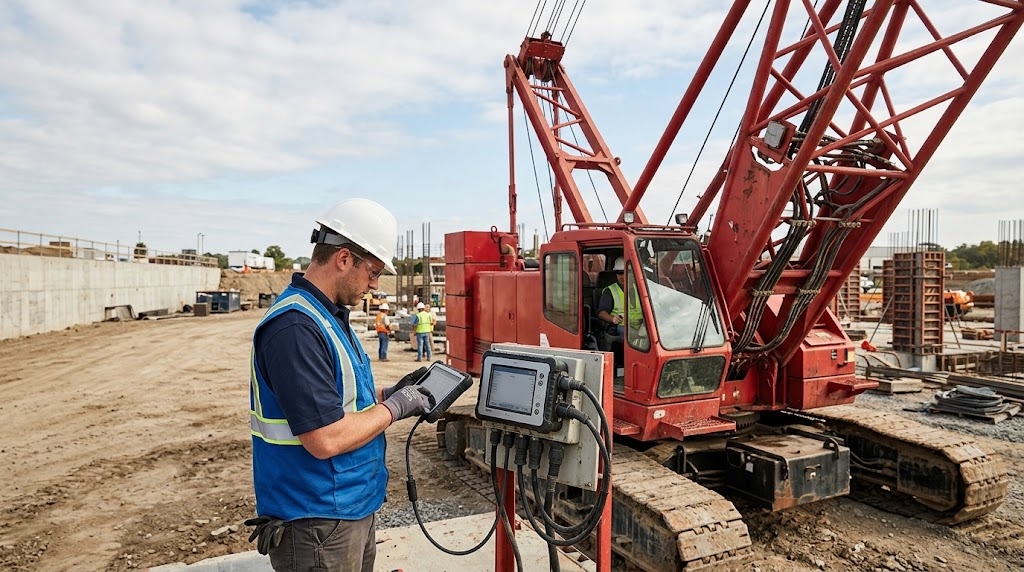
Downtime on a Manitowoc crane usually traces back to one machine system. The Moment Control System, or MCS, decides what the machine is allowed to do on any given lift. When it decides something is wrong, the crane stops moving and the schedule falls apart. Most crews learn to respect this system the first time it shuts them down.
Repair work goes faster when you understand what the MCS is measuring and how it reports those numbers. It also helps to know which parts tend to fail and how to identify them. Sourcing the correct Manitowoc parts becomes far simpler once the fault is pinned down. Here is a practical walk through the system from first principles to final calibration.
What the Moment Control System Measures
Technicians call it the LMI, short for Load Moment Indicator. Whatever the name, its job is mathematical. It reads boom length, boom angle, and operating radius, then checks them against a stored load chart. Any result outside the safe range triggers an immediate stop.
The intervention is abrupt by design. Lifting functions cut out until the machine returns to a permitted configuration. That protects the crew, the load, and the crane's structural limits. Being locked out in the cab feels inconvenient, but the lockout is working exactly as intended.
The hardware behind that calculation is exposed to harsh conditions. Sun, rain, dust, vibration, and pressure cycling all wear at it. Reliable crane parts are engineered for that exposure, but wear still accumulates. Expect the system to need attention at predictable intervals over the machine's life.
Identifying Your System Generation
One of the first steps in any LMI repair is identifying the architecture in use. Manitowoc has shipped several different designs across the years. Older machines often carry EPIC. Later models moved to CRCS and, more recently, to CAN-bus networking.
These systems share a purpose but not a wiring scheme. Analog generations run a dedicated wire from each sensor to the controller. Networked generations share one data line across many devices. That difference changes both the test procedure and the failure symptoms.
A CAN-bus problem might show up as a missing device on the network. The same complaint on an analog machine usually means one bad conductor. Dig into the machine paperwork before assuming the wiring looks like anything you have seen before. Correct identification prevents ordering the wrong Manitowoc parts for the job.
The Failures You Will Actually See
Every LMI contains a short list of components that carry the workload. Each fails in a recognizable way. Knowing the pattern saves diagnostic hours. These are the four groups that dominate repair tickets.
Length and angle sensors. Mounted near the boom head, these report tip position. The angle sensor is a pendulum or inclinometer that suffers from weather and repeated impact. The length sensor uses a reel and cable that gradually stretches or snaps. If either lies to the controller, the load chart becomes fiction.
Pressure transducers. These convert hydraulic pressure into an estimate of load weight. They thread into both the rod side and the bore side of the hoist cylinders. Moisture, shock, and internal wear are the usual causes of failure. The classic symptom is a load reading with no connection to reality.
The controller. This is the processor that compares live data to the stored chart. It drives the display and operates the hydraulic cutoff valves. Complete failure is rare, but water intrusion or a short circuit will destroy one. Total darkness across the system often points here.
The display. The operator's only window into system status. Backlights age out, glass cracks, and buttons stop registering input. An unreadable display is a stop-work condition, not an inconvenience. Address it with the same urgency as a hydraulic leak.
Recognizing Trouble Before the Lockout
Hard fault codes make diagnosis easy. Warnings that never quite cross that line are harder to notice, and more common. Paying attention to small irregularities prevents bigger interruptions later.
Watch for numbers that shift on a machine that is not moving. Load weight may bounce thousands of pounds with the hook stationary. Boom angle might drift several degrees with no change in position. Either pattern means the data is no longer trustworthy.
Start physically before you start electronically. Chafed wiring near the boom hinge causes many of these symptoms. Corroded contacts in junction boxes cause many more. Cleaning and repairing connections often resolves what looked like a failed sensor.
Operators usually notice odd behavior before a code appears. If a crew member reports something feels off, treat that as a real signal. Chasing the issue early takes an hour. Waiting for a lockout can take a day.
Ordering the Right Replacement
A repair under time pressure is no reason to guess at part numbers. Guessing is what turns a two hour job into a two day job. Gather the identifiers first, then make the call.
OEM Versus Aftermarket
Factory components are matched to the original system design by the same engineers. On a safety network, that specification match carries extra weight. Reputable aftermarket crane parts can perform well, provided the supplier understands Manitowoc electronics. A transducer with the wrong output signal will generate numbers that cannot be used.
The Value of Serial Numbers
Manitowoc updates hardware inside a model run without renaming the crane. Two machines of the same year may differ in their LMI configuration. Record the machine serial number and the failed part number before contacting anyone. Both items remove ambiguity from the order.
Software and Firmware
Hardware is only one half of a modern controller swap. Firmware must match the installed sensors and the correct load charts. A replacement unit may need programming by a dealer before it functions. Assume nothing about a used controller until it has been verified against your machine.
Working With Obsolete Components
At some point a dealer will confirm that a component is no longer produced. That call is routine on older machines and rarely fatal. Several paths remain open, and the right one depends on your fleet.
Rebuilt or used components can restore service while a plan is developed. Retrofit kits replace analog sensors with modern digital equivalents. Full system upgrades modernize the entire LMI network at one time.
Kits that add digital sensors usually cost more at purchase and less over time. Newer hardware tends to remain supported far longer than legacy components. Some operators stock used Manitowoc parts as a temporary measure during upgrades. Verify every order against the exact serial number before it ships.
Installing Without Creating New Problems
Most LMI replacements are mechanically straightforward and electrically unforgiving. A careful sequence prevents the majority of installation errors. Follow the same order every time.
Remove battery power first. Disconnecting power before touching connectors is not optional. Live connection work can destroy a new controller on the first attempt. That single precaution prevents an entire category of expensive mistakes.
Handle connectors gently. The pins carry small signals and bend easily. One damaged contact creates an intermittent fault that consumes hours. A thin coat of dielectric grease keeps moisture and corrosion out. Push every plug home until it clicks.
Match factory cable routing. A sensor cable in contact with a boom edge will chafe through in short order. Use the specified ties, clips, and guides from the manual. Routing also influences the accuracy of length measurement.
Calibrate before the first lift. A new angle sensor is unverified until the system is checked against known weights. Even the correct Manitowoc parts require certified test weights and a calibrated boom angle gauge. Skipping calibration undermines the safety system and exposes the crew to avoidable risk.
Document the Repair
A job is not finished when the machine moves again. Record the fault, the diagnosis, and the components installed. Note part numbers, calibration values, and the date of the work. The next service call will move faster for that record.
Store the log where it can travel with the machine or sit in the fleet file. Digital formats work equally well when they are consistently maintained. Include any error codes that appeared during troubleshooting. Future you will appreciate the effort.
Where This Leaves You
The MCS is complicated because safety is complicated. It measures, calculates, and stops lifts that would otherwise go wrong. When it fails, the pressure to rush a repair is understandable and still worth resisting. Diagnose carefully, order accurately, install patiently, and calibrate before the first lift. That sequence gets the crane back to work and keeps it there.

