


Why Consider Iron Pots And Pans for Modern Kitchens?
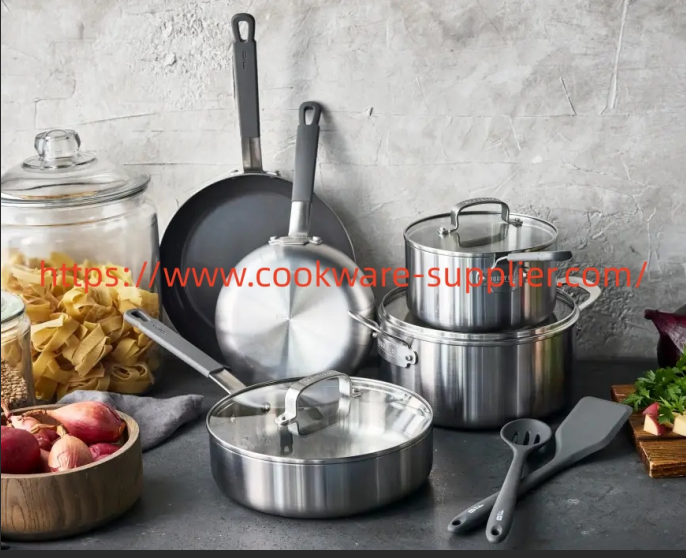
Iron Pots And Pans should be assessed according to cooking applications, body construction, dimensions, weight, surface condition, handle design, stove compatibility, maintenance expectations, plus target market requirements. For importers, wholesalers, retailers, private-label businesses, product selection involves more than comparing appearance or price. A detailed specification gives buyers a practical reference throughout development, sampling, production.
Define the Product Position
Before contacting a manufacturer, buyers should establish the intended market position. A product designed for household kitchens may require different dimensions from one intended for restaurants, outdoor cooking, hospitality projects, or retail collections.
Consider the target customer, expected cooking frequency, preferred capacity, storage conditions, stove type, packaging format, price range. These factors can influence the final configuration.
A clear product brief can include diameter, depth, weight range, handle style, lid requirement, surface treatment, packaging preference. Providing this information early allows the manufacturer to discuss suitable options with greater clarity.
Study Body Dimensions
Body dimensions influence capacity, handling, storage, appearance, shipping arrangements. Buyers should request detailed measurements before approving a sample.
Important specifications may include diameter, height, wall thickness, base thickness, capacity, weight tolerance. Technical drawings can help confirm these points before tooling or production.
Different sizes should be reviewed individually. A larger model should not automatically use the same proportions as a smaller model. The design should remain practical for its intended application.
Buyers developing several models can also create a size chart. This makes future purchasing discussions easier while keeping the product range organized.
Evaluate Weight Distribution
Weight is an important consideration because customers may need to lift the product repeatedly during cooking.
Rather than simply requesting a heavier body, buyers should establish a practical weight range. The overall balance should also be considered.
Handle location can affect how the product feels during movement. During sample evaluation, hold the item in a normal cooking position. Check whether the weight feels manageable for the intended user.
For larger formats, a helper handle may provide additional support. Its location should allow comfortable lifting without creating storage difficulties.
Examine Surface Treatment
The surface treatment should correspond with the intended maintenance requirements.
Depending on the selected configuration, buyers may consider a seasoned surface, enamel finish, or another treatment. Each option can have different care instructions.
During sample approval, inspect color, smoothness, edge treatment, visible marks, scratches, surface consistency. For enamel finishes, buyers can also establish requirements for color matching.
For seasoned products, the manufacturer should provide suitable care information. Buyers should understand cleaning, drying, seasoning, storage, rust prevention requirements before preparing customer instructions.
Confirm Stove Compatibility
Stove compatibility should be established before production. Buyers should identify the cooking systems used in their target market.
Possible applications include gas, electric, ceramic, induction, oven, outdoor cooking. The base configuration should correspond with the intended application.
For induction models, ask about the magnetic base, attachment method, dimensions, flatness, thickness, testing procedure. These details should appear in the product specification.
Base contact area also deserves attention. A large upper diameter does not necessarily mean the product has an equally large contact area. Both measurements should therefore be documented.
Review Handle Construction
The handle affects usability, appearance, storage, product differentiation. Buyers should review length, shape, material, attachment method, position, clearance.
The connection between the handle plus body should be checked during sample approval. Buyers should confirm that the selected structure matches the intended product requirements.
For larger products, a secondary handle can provide additional support. Its position should be reviewed together with the main handle to maintain comfortable movement.
Private-label projects can also use coordinated handle designs across different sizes. This can create a recognizable visual relationship throughout a product collection.
Check Lid Specifications
If a lid is included, it should have its own specification rather than being treated as an accessory without detailed requirements.
Review diameter, fit, material, knob design, ventilation requirements, storage considerations, appearance. The lid should be tested with the corresponding body before bulk production.
Buyers ordering several sizes should confirm whether each lid is matched to a specific model. Clear model identification can reduce packing errors during production.
Plan Customization Early
Private-label buyers may request custom dimensions, colors, handles, lids, logos, packaging, accessories.
These requirements should be discussed before production begins. Buyers can provide artwork, drawings, color references, packaging layouts, barcode information.
cookware-supplier can communicate with buyers regarding product specifications plus customized manufacturing requirements. Early discussions provide a clearer reference for sample preparation, production planning, packaging.
Customization should also identify which features must remain consistent across multiple models. This is particularly useful when developing a complete retail collection.
Approve Samples Carefully
A physical sample can reveal details that written specifications may not fully communicate.
Before confirming a bulk order, inspect dimensions, weight, surface appearance, handle position, base structure, lid fit, accessories, packaging.
Record the approved model number, revision information, important specifications. Any modification after approval should be documented before production.
For customized products, sample approval is especially useful because shape, finish, handle proportions, color, packaging can influence the final customer experience.
Establish Inspection Criteria
A clear inspection checklist can make production discussions easier.
Buyers can define requirements for dimensions, weight, surface condition, flatness, handle attachment, accessory quantity, packaging condition, visible appearance.
Critical functional requirements should be separated from minor cosmetic points. This allows inspection personnel to understand which issues require correction before shipment.
Inspection methods should be agreed before production. Sampling arrangements, acceptable tolerances, inspection stages should also be documented.
Review Packaging Requirements
Packaging protects products during storage, handling, transportation. Buyers should define individual protection, inner boxes, separators, master cartons, labels, stacking requirements.
Retail packaging may require customized artwork, product information, barcode placement, market-specific labeling.
Carton dimensions should be confirmed before production. Packing quantity per carton can influence warehouse planning, shipping arrangements, storage space.
Compare Suppliers by the Same Specification
Supplier quotations become easier to evaluate when every manufacturer receives matching requirements.
Compare body dimensions, weight, surface treatment, base structure, handles, lids, accessories, packaging, customization, inspection requirements, order quantities.
If a supplier proposes a different configuration, the difference should be clearly identified. This prevents buyers from comparing two quotations based on different product specifications.
For businesses developing private-label collections, a standardized quotation sheet can make future supplier communication more efficient.
Maintain a Production Reference
After sample approval, buyers should keep drawings, specifications, approved samples, color references, packaging artwork, inspection requirements, component information.This documentation can support repeat orders. When a change is needed, the revised specification should be confirmed before manufacturing begins.For businesses reviewing product options or preparing a private-label program, cookware-supplier provides product information plus manufacturing-related details at https://www.cookware-supplier.com/product/ Buyers can use the available range as a reference when preparing specifications for a new market, retail collection, or customized project.

