


Buffet Catering for Flexible and Enjoyable Events
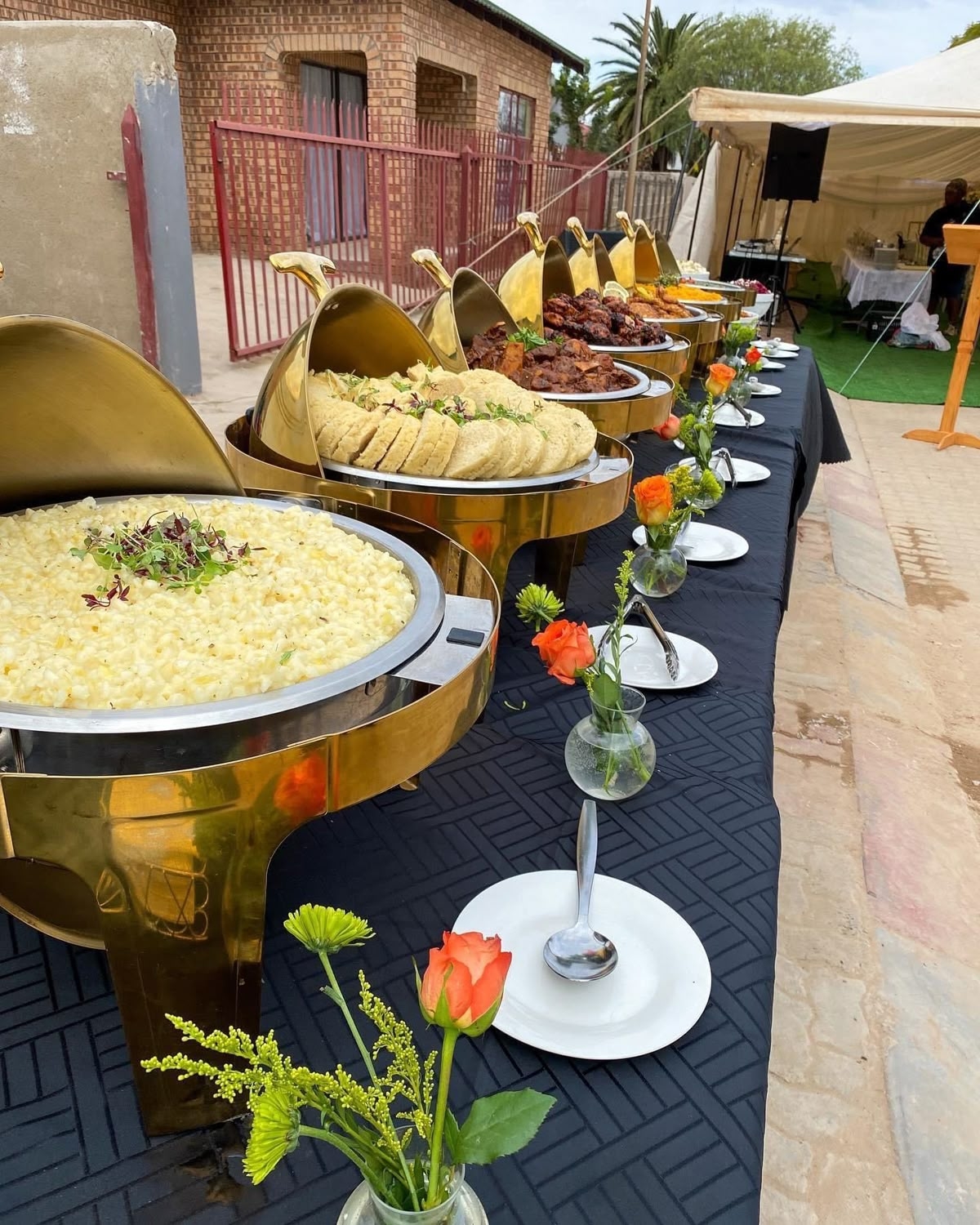
Buffet catering is a popular food service option for events where guests want variety, flexibility, and freedom to choose their preferred dishes. Instead of serving a fixed meal to every guest, buffet arrangements allow people to select food according to their taste and appetite.
Buffet catering can be suitable for weddings, birthday celebrations, family gatherings, corporate functions, private dinners, conferences, and social events. With proper planning, a buffet can provide an organized dining experience while allowing guests to enjoy different types of food in a relaxed setting.
Understanding Buffet Catering
A buffet typically involves arranging food at one or more designated counters where guests can serve themselves. The selection may include appetizers, salads, main courses, rice dishes, breads, desserts, and beverages.
The exact menu depends on the event, guest preferences, venue, and budget. Some buffets focus on traditional cuisine, while others combine local dishes with international food options.
A well-planned buffet should offer variety without making the food arrangement unnecessarily complicated.
Selecting the Right Menu
Menu selection is one of the most important parts of buffet planning. Guests usually appreciate having several options, but too many similar dishes can make the menu less practical.
A balanced buffet can include appetizers, one or more rice dishes, main courses, vegetables, salads, breads, desserts, and beverages.
The menu can also be designed around a particular theme. For example, an event may feature traditional Pakistani cuisine, continental dishes, barbecue items, or a combination of different styles.
Arranging the Buffet Table
The layout of the buffet area can affect how easily guests move through the food service. Items should be arranged logically so guests can move from one section to another without unnecessary congestion.
Plates and cutlery are usually placed where guests begin the serving line, followed by appetizers, salads, main dishes, breads, and other items.
Desserts and beverages can be placed at separate counters when the guest count is large. This can reduce pressure on the main buffet line.
Offering Variety
One of the biggest advantages of a buffet is the ability to offer different choices. Guests may have different preferences, so a varied menu can make the dining experience more enjoyable.
A buffet can combine mild and flavorful dishes, vegetarian and non-vegetarian options, hot and cold items, and traditional and contemporary foods.
The objective should be to create useful variety rather than simply increasing the number of dishes.
Buffet Catering for Weddings
Weddings often involve large guest lists, making buffet service a practical option. Guests can choose the dishes they prefer while catering staff focus on keeping the food counters organized and replenished.
A wedding buffet may include appetizers, salads, rice dishes, meat or chicken options, vegetables, breads, desserts, and beverages.
The buffet presentation can also be coordinated with the wedding décor to create an attractive dining area.
Buffet Catering for Corporate Events
Corporate functions can also benefit from buffet arrangements. Conferences, seminars, employee gatherings, business dinners, and office celebrations may use buffet meals when the event schedule allows sufficient dining time.
A corporate buffet should be organized efficiently because guests may have limited time for lunch or dinner.
Clear food labeling and an organized serving arrangement can help attendees select their meals quickly.
Buffet Catering for Family Gatherings
Family events often include guests from different age groups and with different food preferences. A buffet can provide flexibility by allowing each guest to select suitable dishes.
Birthdays, anniversaries, reunions, engagement celebrations, and other family gatherings can use customized buffet menus.
For family events, the menu may include traditional favorites alongside snacks, desserts, and beverages.
Live Stations Alongside a Buffet
A buffet does not have to consist entirely of pre-prepared dishes. Live cooking stations can be added to provide freshly prepared food.
Options may include barbecue, pasta, chaat, kebabs, tandoor items, or dessert stations.
Live counters can make the dining experience more interactive while adding freshness and variety to the overall buffet.
Managing Food Temperatures
Maintaining suitable food temperatures is an important part of buffet service. Hot dishes need to remain appropriately warm, while cold foods should be kept suitably chilled.
Catering teams need to monitor food throughout the event and replenish dishes when required.
Proper equipment and attentive staff can help maintain food quality during longer events.
Food Replenishment
A buffet should remain attractive and sufficiently stocked throughout the meal. Empty or poorly maintained serving dishes can negatively affect the guest experience.
Catering staff can monitor each station and replenish dishes before they run out completely.
Replenishment should also be coordinated carefully to avoid unnecessary disruption while guests are serving themselves.
Dietary Preferences and Food Labels
Guests may have different dietary requirements. Some may prefer vegetarian food, while others may need to avoid certain ingredients.
Clear labels can help guests understand what different dishes contain. Where appropriate, separate vegetarian or special-diet options can be provided.
Communicating known requirements to the catering team before the event makes it easier to plan suitable alternatives.
Buffet Presentation
The appearance of the buffet contributes to the overall atmosphere of an event. Clean serving dishes, organized food sections, suitable table arrangements, and attractive displays can make the dining area more inviting.
Decorative elements can be added according to the event theme, but presentation should never interfere with the practical movement of guests.
An effective buffet combines visual appeal with easy access.
Professional Buffet Staff
Although guests serve themselves, professional staff are still important. Catering employees may be responsible for preparing the buffet, monitoring food levels, assisting guests, clearing used dishes, and maintaining cleanliness.
For large events, staff can be assigned to specific buffet sections to ensure that service remains organized.
Their presence can also help address guest questions and manage unexpected issues during the meal.
Estimating Food Quantities
Accurate quantity planning helps prevent shortages and excessive waste. Caterers can consider the number of guests, menu selection, event duration, time of day, and serving style.
Not every guest will consume the same amount of every dish, so experienced planning is useful when estimating quantities.
Additional portions can also be planned for popular dishes that are likely to be selected more frequently.
Hygiene and Cleanliness
Cleanliness is essential throughout buffet service. Serving utensils, counters, tables, and dining areas should be maintained properly.
Catering staff should follow appropriate food-handling practices and regularly monitor the buffet area.
A clean and organized setup helps guests feel more comfortable and supports the overall quality of the event.
Managing the Buffet Budget
Buffet catering can be customized according to different budgets. Costs may depend on the number of dishes, ingredients, guest count, staff, equipment, serving stations, beverages, and venue requirements.
A clear budget allows organizers to prioritize the dishes and services that matter most.
Instead of adding unnecessary menu items, organizers can focus on a balanced selection that provides good variety and suits the expected guests.
Final Thoughts
Buffet catering offers flexibility and variety for many types of events. Guests can select dishes according to their preferences while organizers can customize the menu, presentation, serving stations, and food service according to the occasion.
Successful buffet catering requires more than simply placing food on tables. Menu planning, buffet layout, food temperature, replenishment, presentation, staffing, hygiene, dietary considerations, quantity management, and budget control all contribute to the overall experience.
Whether it is a wedding, corporate function, birthday, family gathering, or private celebration, a carefully planned buffet can provide guests with an enjoyable and convenient dining experience.

