


Commercial Cleaning Companies in Auckland: How to Choose Well

Commercial Cleaning Companies in Auckland: A Guide for Choosing the Right Service
Most businesses do not think about their cleaner until something slips. A washroom runs out of supplies, the carpet by the front door starts to look tired, or a client mentions the smell in the meeting room. By then, you are usually hunting for a fix in a hurry. Taking time to compare Commercial Cleaning Companies in Auckland before problems appear leads to better decisions and a calmer working environment.
This guide explains what professional cleaners typically offer, how needs differ between workplaces, and what to ask before you sign anything.
Why Professional Commercial Cleaning Matters
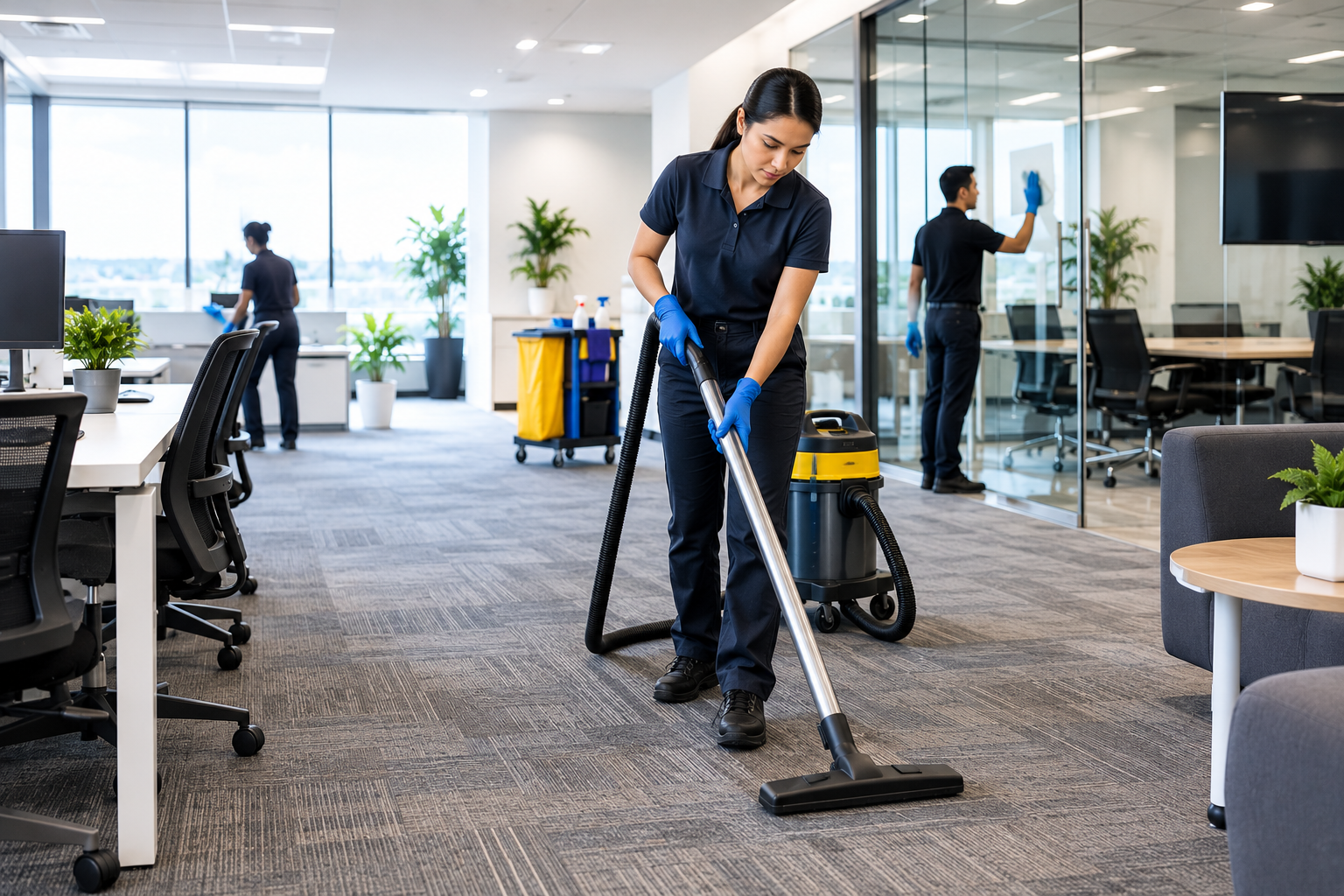
A quick wipe-down from staff at the end of the day is better than nothing, but it rarely covers everything a workplace needs. Consistent professional cleaning looks after the details that are easy to miss and hard to keep up with when everyone is busy.
The benefits are practical. A tidy, fresh-smelling space presents well to visitors and customers. Good hygiene helps staff feel comfortable, particularly in shared areas like kitchens and washrooms. High-traffic zones such as entrances and corridors wear quickly, and regular maintenance stops dirt from building up into a bigger job. Above all, consistency matters. A cleaner who attends on a set schedule keeps standards steady, instead of leaving a building to swing between spotless and neglected.
It also helps to remember that every site is different. The cleaning needs of an office, showroom, warehouse, school or healthcare facility can vary enormously, and a good plan reflects that.
What Services Can Commercial Cleaning Companies Provide?
The exact services depend on the property, your requirements and the agreed service plan. That said, a commercial programme may include:
- Office cleaning, including desks, floors and bins
- Reception and common-area cleaning
- Washroom cleaning
- Kitchen and lunchroom cleaning
- Floor care for hard surfaces
- Carpet cleaning
- Window and glass cleaning
- High-touch surface cleaning
- Deep cleaning
- Waste and recycling management
- Specialised cleaning for particular business environments
Not every provider offers all of these, and not every business needs all of them. The goal is to choose what suits your building, then confirm in writing exactly what is covered.
Deep Clean Auckland Services for Areas That Need Extra Attention
Routine cleaning keeps a workplace presentable day to day. A deep clean goes further, giving detailed attention to places that regular visits do not reach. When businesses look for a Deep Clean Auckland service, they are usually after that extra level of thoroughness.
Areas that tend to be overlooked include corners and edges, skirting boards, high-touch surfaces, hard-to-reach spots, vents and other accessible areas, and floors and carpets where dirt has built up over time. Deep cleaning can work well as a periodic service, after a particular event, during a workplace change, or whenever a facility needs closer attention. It is worth being realistic, though. Deep cleaning improves the condition of a space, but it cannot promise to remove every germ or prevent illness.
Routine Cleaning vs Deep Cleaning
Think of routine cleaning as maintenance. It might include emptying bins, vacuuming, mopping, wiping benches, cleaning washrooms and sanitising common surfaces. Deep cleaning is more detailed and less frequent. Examples include scrubbing grout lines, cleaning behind and under furniture, treating heavily soiled floors, washing skirting boards and removing buildup from vents and fittings.
Most workplaces benefit from both. Routine visits prevent buildup, and occasional deep cleaning resets the space.
When Might a Business Need a Deep Clean?
Certain moments call for more than the usual routine:
- Moving into a new premises
- After renovation or construction work
- Seasonal cleaning
- After busy, high-traffic periods
- Preparing for an event or open day
- Long-term buildup in shared areas
- Spaces that have not had detailed cleaning for some time
If any of these sound familiar, it may be time to discuss a one-off service with your cleaner.
Corporate Office Cleaning Services for Modern Workplaces
Offices have a particular mix of needs. People spend most of their working day in the space, visitors pass through reception, and shared areas like kitchens and meeting rooms get constant use. Good Corporate Office Cleaning Services take all of that into account.
A typical plan covers reception areas, workstations, meeting rooms, kitchens and lunchrooms, washrooms, common areas, door handles and other high-touch points, floors and carpets, glass surfaces, and waste and recycling areas. Schedules will differ depending on operating hours, number of employees, building size and foot traffic. A twenty-person office on one floor will not need the same routine as a multi-level building with hundreds of staff.
Cleaning Around Business Hours
Disruption is a common worry. Many offices arrange cleaning after hours or early in the morning, while others agree on different times that suit their operations. Not every provider offers every option, so raise this early. A cleaner who works around your day, rather than through it, makes life easier for everyone.
High-Touch Areas in Offices
Some surfaces are handled dozens of times a day, which is why they deserve regular attention. Typical examples include:
- Door handles
- Light switches
- Shared equipment such as printers
- Reception surfaces
- Kitchen handles
- Lift buttons
- Common-area furniture
Cleaning these on a routine basis supports better workplace hygiene without requiring anything complicated.
Creating a Practical Office Cleaning Checklist
A simple checklist helps everyone see what is happening and when:
- Daily: empty bins, clean washrooms, vacuum or mop floors, wipe kitchen surfaces, sanitise high-touch points
- Weekly: dust surfaces, clean glass, tidy storage and common areas, detailed kitchen cleaning
- Periodic: carpet cleaning, floor treatments, vent and fitting cleaning, deep cleaning of selected areas
Adjust the list to suit your premises, then keep it somewhere your cleaner and your team can both see.
Car Showroom Cleaning and the Importance of Presentation
Buying a car is a big decision, and customers tend to notice everything. In a dealership, the showroom is the stage. Polished floors, clear glass and a tidy lounge all support a professional first impression. That said, cleaning alone will not guarantee more sales. It simply removes one reason for a customer to feel uneasy about a business.
Car Showroom Cleaning typically involves showroom floors, glass surfaces, display areas, customer lounges, reception desks, restrooms, offices, service areas where applicable, and high-touch surfaces such as door handles and coffee machines. Floors and glass take most of the attention, since fingerprints, tyre marks and dust show up quickly under bright lights.
Keeping Vehicles and Display Areas Presentable
It helps to separate two things. Cleaning the showroom environment is one job. Detailing the vehicles themselves is another. A commercial cleaning provider will usually focus on the facility, such as floors, glass, desks and washrooms, while vehicle-specific detailing is often a separate specialist service. Clarify this when requesting quotes so nobody is surprised.
Cleaning Around Dealership Operations
Dealerships are lively places. Vehicles move in and out, customers browse, and staff are on the floor throughout the day. A good schedule considers opening hours, delivery times and busy periods, so cleaning happens when it is least disruptive and most effective.
How to Choose Between Commercial Cleaning Companies in Auckland
With plenty of options, it helps to compare providers using the same criteria. Consider:
- Experience with commercial premises like yours
- The scope of cleaning offered
- Staff training
- Health and safety procedures
- Equipment used
- Cleaning products
- Scheduling flexibility
- Communication
- Quality checks
- Insurance and business credentials, where applicable
- References or reviews
- Willingness to customise the plan
Do not choose on the lowest price alone. A cheap quote that leaves out half your needs usually costs more in the end.
Ask What Is Included
Request a clear list of included services, how often they happen, which areas are covered and whether any extra charges may apply. A detailed answer is a good sign.
Consider Your Building and Industry
The right plan depends on the kind of facility. An office might prioritise workstations and meeting rooms, while a showroom puts much more weight on floors, glass and customer areas. Look for a provider who understands your sector.
Discuss Cleaning Frequency
Daily, weekly, periodic and one-off needs can all look different from one business to the next. Frequency may depend on:
- Number of employees
- Customer traffic
- Building size
- Type of business
- Floor type
- Carpet usage
- Operating hours
- Hygiene requirements
Benefits of Having a Consistent Cleaning Plan
A regular routine does not just keep things tidy. It makes the whole building easier to manage. Presentation stays more consistent, shared spaces stay cleaner, and maintenance becomes less of a scramble. Cleaning needs also become more predictable, which helps with planning. Over time, a steady routine makes it simpler to spot areas needing extra attention, such as a section of carpet that wears faster than the rest.
None of this is magic. It is simply the result of showing up regularly and paying attention.
Common Mistakes Businesses Make When Hiring Cleaners
A few missteps come up again and again:
- Choosing based only on price. Compare what each quote actually covers.
- Not checking what the quote includes. Ask for a written scope.
- Having no written schedule. Put the plan on paper so expectations are clear.
- Ignoring specialist needs. If you have delicate flooring or sensitive equipment, say so.
- Not communicating priority areas. Tell your cleaner which spaces matter most.
- Expecting routine cleaning to replace deep cleaning. They do different jobs.
- Not reviewing quality. Check in regularly and give feedback.
- Using an unsuitable method for a surface. The wrong product or tool can damage floors and fittings, so confirm methods in advance.
Sustainable Cleaning Practices in Commercial Buildings
More businesses want their cleaning to be responsible, and that is a sensible goal. Practical steps include using products appropriately, avoiding unnecessary chemical use, being efficient with water, managing waste responsibly, using reusable materials where suitable, and selecting products according to the surface and the cleaning requirement.
Balance is important. Environmentally responsible practices should still deliver effective cleaning and meet the needs of your workplace. If sustainability matters to you, ask a provider how they approach it rather than assuming.
Building a Custom Cleaning Schedule
Whether you manage a small studio or a large site, a good schedule starts with your real needs. When you work with Commercial Cleaning Companies in Auckland, bringing a clear picture of your premises makes the conversation far more productive. Here is a straightforward process:
- Identify all areas of the premises.
- Identify high-traffic zones.
- Separate daily tasks from periodic ones.
- Identify any specialist requirements.
- Consider operating hours.
- Set cleaning priorities.
- Review the results regularly.
- Adjust the schedule when business needs change.
A schedule is a living document. If you add staff, renovate or change opening hours, update the plan to match.
Questions to Ask Before Hiring a Cleaning Provider
Before committing, put these questions to any provider you are considering:
- What areas are included?
- How often will the premises be cleaned?
- What equipment is used?
- Are cleaning products included?
- Can the schedule be adjusted?
- How are quality checks handled?
- Who should I contact if there is a problem?
- Are specialist services available?
- What happens if additional cleaning is required?
Clear, confident answers tell you a lot about how a provider works.
Final Thoughts
Choosing a cleaner is less about finding the biggest name and more about finding the right fit. Look at reliability, service scope, communication, experience and the ability to build a plan around your premises. The best Commercial Cleaning Companies in Auckland will listen first, then propose a routine that matches how your business actually operates.
No single routine suits every property. An office, a showroom and a warehouse all ask different things of a cleaner. Take time to assess your own space, ask good questions and choose a provider who treats your building as unique.

