


Does Root Canal Treatment Preserve Natural Teeth?
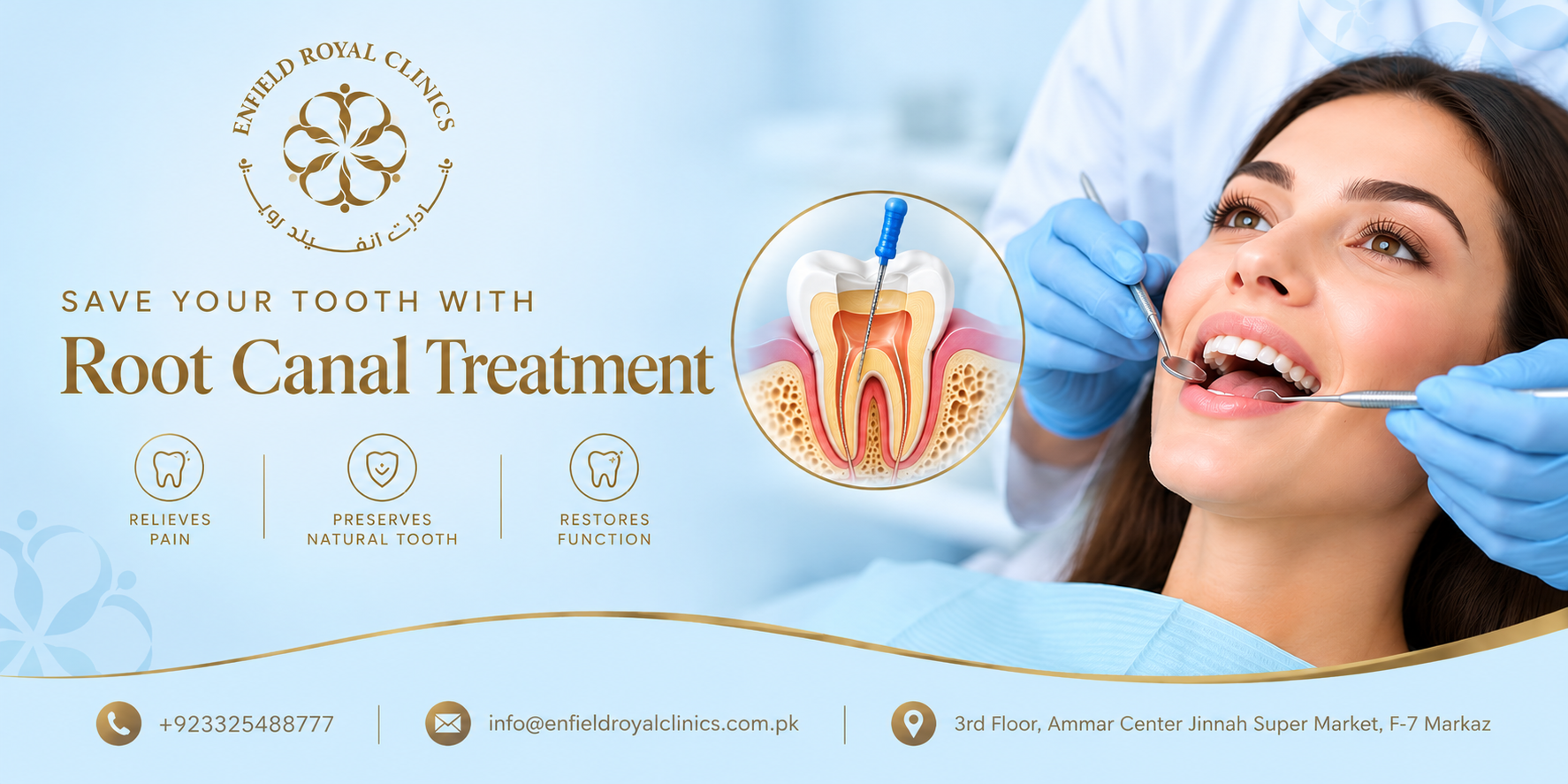
Natural teeth play an important role in chewing, speaking, and maintaining a healthy smile. However, deep tooth decay, cracks, dental injuries, or untreated cavities can damage the soft tissue inside a tooth, known as the pulp. When this tissue becomes infected or severely inflamed, the tooth may cause persistent pain and require professional dental treatment.
Root canal treatment is designed to save a damaged or infected tooth rather than remove it completely. The procedure involves removing the affected pulp, cleaning the root canals, and sealing the tooth to help prevent further infection. With proper restoration and ongoing dental care, the treated tooth can often remain functional for many years.
For individuals considering Root Canal Treatment in Islamabad, understanding how the procedure preserves natural teeth can help them make informed decisions about their oral health. Although root canal treatment cannot save every damaged tooth, it can be an effective option when sufficient healthy tooth structure remains.
How Does Root Canal Treatment Preserve Natural Teeth?
Root canal treatment preserves a natural tooth by removing the infected tissue from inside it while retaining its outer structure. Instead of extracting the entire tooth, the dentist cleans and seals the internal canals to prevent bacteria from continuing to damage the tooth.
The pulp contains nerves, blood vessels, and connective tissue. It helps a tooth develop, but a fully developed tooth can continue to function after the pulp has been removed because it receives support from the surrounding tissues.
When bacteria enter the pulp through deep decay or a crack, inflammation and infection can develop. If left untreated, the problem may spread through the root and affect the surrounding bone and gums.
During root canal treatment, the dentist removes the infected pulp and disinfects the canals. The cleaned spaces are then filled and sealed, and the visible part of the tooth is restored with an appropriate dental filling or crown.
This approach allows the natural tooth to remain in place and continue supporting normal chewing. It also helps maintain the existing arrangement of the teeth, which can be affected when a tooth is extracted and not replaced.
What Dental Problems Can Root Canal Treatment Help Address?
Root canal treatment is commonly recommended when the pulp becomes irreversibly inflamed or infected. Several dental problems can lead to this condition.
Deep tooth decay: A cavity that progresses through the enamel and dentin may eventually reach the pulp. When the damage becomes extensive, a routine filling may no longer be sufficient to treat the affected tissue.
Cracked or broken teeth: A crack may create a pathway for bacteria to reach the inner part of the tooth. Depending on the depth and location of the crack, root canal treatment may help preserve the tooth.
Dental injuries: A blow to the mouth can damage the pulp even when the tooth appears relatively intact. In some cases, symptoms or signs of pulp damage develop gradually after the injury.
Repeated dental procedures: A tooth that has undergone multiple treatments may develop irritation or damage to the pulp, potentially requiring a root canal.
Common symptoms include persistent toothache, prolonged sensitivity to hot or cold, pain while chewing, gum swelling, or discoloration of the affected tooth. However, some infected teeth cause little or no pain, so symptoms alone cannot determine whether treatment is necessary.
A dental examination and appropriate imaging help establish the diagnosis. When the tooth remains restorable, root canal treatment may offer a way to preserve it instead of proceeding directly to extraction.
Why Is Saving a Natural Tooth Important?
Preserving a natural tooth can provide several functional and practical benefits. Although modern dental treatments can replace missing teeth, keeping a healthy, restorable natural tooth is often preferable when possible.
Maintaining normal chewing: Natural teeth help break down food efficiently. A successfully treated tooth can continue to contribute to biting and chewing once it has been properly restored.
Supporting the alignment of nearby teeth: When a tooth is lost, neighboring teeth may gradually shift into the empty space. This movement can affect the bite and create areas where food becomes trapped. Retaining the natural tooth helps maintain the existing arrangement.
Preserving the natural smile: Keeping the original tooth can help maintain the appearance of the smile, particularly when the affected tooth is visible during speaking or smiling.
Avoiding extraction and replacement procedures: Removing a tooth may lead to additional decisions about replacement options, such as a dental implant, bridge, or removable denture. These options can restore function, but each requires its own assessment, treatment, and maintenance.
Maintaining the surrounding tissues: Keeping a tooth in place preserves its relationship with the surrounding gums and bone. Although root canal treatment does not prevent every future dental problem, it can help avoid some consequences associated with tooth loss.
For people exploring Root Canal Treatment in Islamabad, the main benefit is that the procedure may preserve an existing tooth while addressing the infection responsible for the symptoms.
What Happens During Root Canal Treatment?
Understanding the procedure can help patients feel more comfortable about choosing treatment. Although the details vary depending on the tooth and the extent of damage, the process generally involves several stages.
1. Examination and diagnosis
The dentist reviews the symptoms, examines the affected tooth, and may take X-rays to assess the roots and surrounding bone. This helps determine whether the tooth can be saved.
2. Local anesthesia
The dentist numbs the affected area to make the procedure more comfortable. Patients may feel pressure or vibration, but the area should be adequately anesthetized to reduce pain.
3. Removal of infected pulp
A small opening is made in the crown of the tooth. The dentist uses specialized instruments to remove the infected or damaged pulp from the chamber and root canals.
4. Cleaning and disinfection
The canals are cleaned, shaped, and disinfected to reduce bacterial contamination. This stage helps prepare the tooth for sealing.
5. Filling and sealing
The cleaned canals are filled with a suitable dental material and sealed to help prevent bacteria from entering again.
6. Final restoration
The dentist restores the opening with a filling or recommends a crown when additional protection is needed. Completing this stage is important because a weakened tooth may crack if it remains inadequately protected.
Some procedures can be completed in one visit, while others require additional appointments. The treatment plan depends on the tooth's condition and the complexity of the root canals.
Can Every Damaged Tooth Be Saved With Root Canal Treatment?
Root canal treatment can preserve many infected teeth, but it is not suitable for every situation. The tooth must have enough healthy structure to support a reliable restoration, and the damage must be manageable.
A tooth with extensive decay may be difficult to restore if too little healthy structure remains above or below the gumline. A severe crack extending into the root can also make preservation unlikely. In addition, advanced supporting-tissue damage may affect whether the tooth can remain functional.
The dentist evaluates these factors before recommending treatment. In complex cases, a referral to an endodontist, a dentist who specializes in treating problems involving the dental pulp and root canals, may be appropriate.
If a tooth cannot be predictably saved, extraction may be the more suitable option. The dentist can then discuss whether replacement is necessary and which options may meet the patient's needs.
It is important to understand that root canal treatment removes the pulp but does not make the tooth immune to future decay or fractures. The tooth still needs routine cleaning, dental examinations, and suitable restoration.
How Can Patients Protect a Tooth After Root Canal Treatment?
After treatment, the tooth may feel tender for a few days as the surrounding tissues recover. Following the dentist's instructions can support healing and help protect the restored tooth.
Patients should avoid chewing hard foods on the treated tooth while a temporary filling is in place. If a permanent crown or other restoration has been recommended, it should be completed within the advised timeframe.
Daily oral hygiene remains essential. Brushing twice a day with fluoride toothpaste, flossing regularly, and attending dental checkups can reduce the risk of new cavities and gum disease.
Patients should also avoid biting hard objects, such as pens or ice, because these habits can damage natural and restored teeth.
If pain becomes severe, swelling increases, or symptoms return after treatment, the tooth should be reassessed. These signs may indicate that additional care is necessary.
With appropriate treatment, a secure restoration, and good oral hygiene, many root canal-treated teeth can remain useful for years. Their long-term success depends on the original damage, the quality of treatment, and the care they receive afterward.
For more information visit Enfield royal clinic in islamabad
Frequently Asked Questions
1. Does root canal treatment save a natural tooth from extraction?
Yes. Root canal treatment can save many teeth affected by pulp infection or damage. The dentist removes the infected tissue and seals the canals, provided the remaining tooth structure can support a reliable restoration.
2. Can a tooth function normally after root canal treatment?
A properly treated and restored tooth can usually function during normal biting and chewing. A crown may be necessary if the tooth has lost significant strength or is at greater risk of fracture.
3. Is root canal treatment better than tooth extraction?
When a tooth can be predictably restored, preserving it with root canal treatment may avoid the need for extraction and replacement. However, the best option depends on the extent of damage, the tooth's condition, and the patient's overall dental health.
4. How long can a natural tooth last after root canal treatment?
A treated tooth can remain functional for many years with proper restoration and regular care. Its lifespan depends on factors such as the amount of remaining tooth structure, oral hygiene, and the quality of the treatment.
Meta Description: Discover how root canal treatment in Islamabad preserves natural teeth, treats infected pulp, restores chewing function, and supports long-term oral health.

