


Aluminum Tug Builders: Lightweight Designs for Stronger and Safer Tugboats
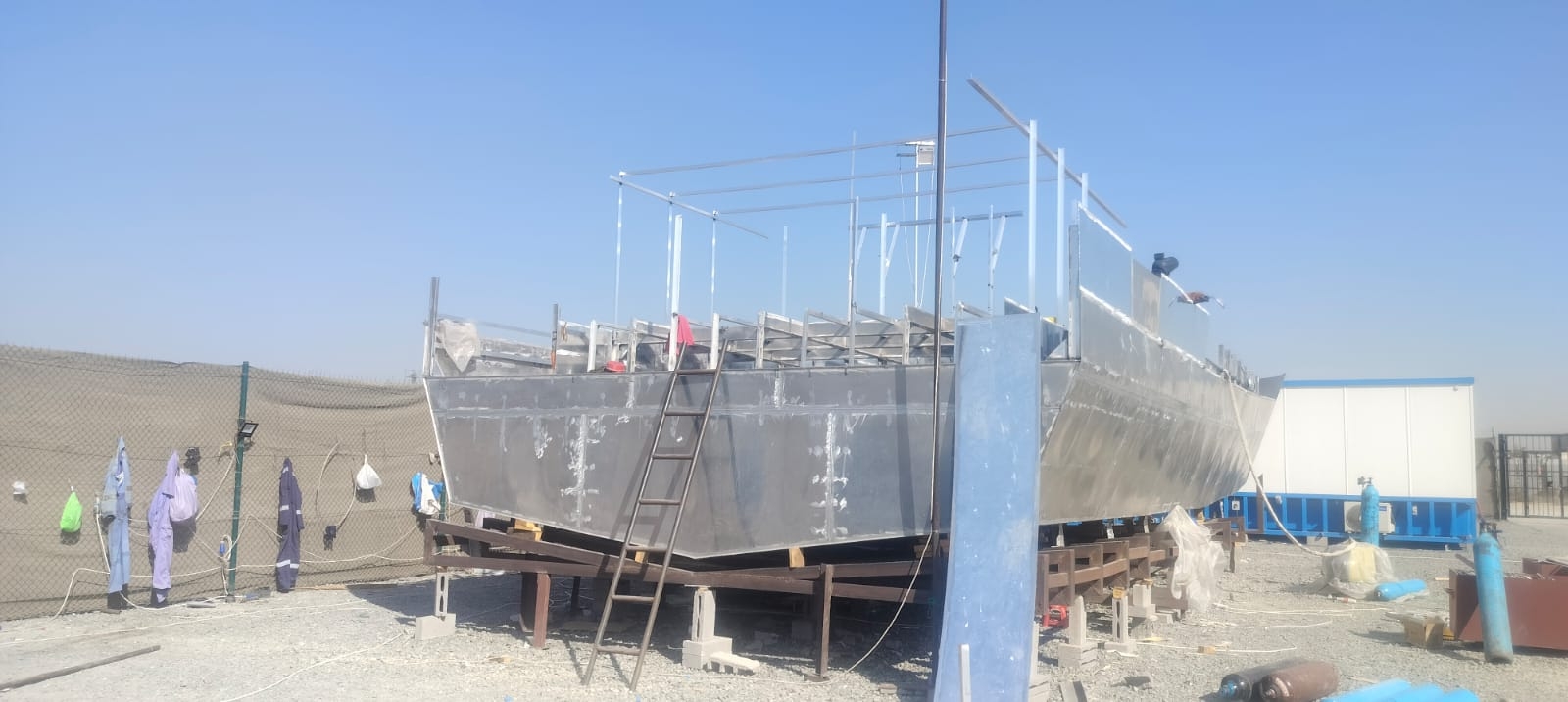
Modern marine operations require tugboats that are strong, reliable, fuel-efficient, and safe. These vessels play an essential role in assisting large ships, guiding vessels through narrow channels, supporting port activities, and handling offshore operations. As marine technology advances, lightweight materials are becoming increasingly important in vessel construction. Aluminum is one such material because it offers a valuable combination of low weight, corrosion resistance, and structural performance.
Today, aluminum tug builders are focusing on innovative hull designs and advanced manufacturing techniques to improve tugboat efficiency without compromising strength or safety. By combining suitable materials with modern engineering, the marine industry can develop vessels that perform effectively in demanding working environments while helping operators manage long-term operating costs.
Why Aluminum Is Important in Tugboat Construction
Aluminum has become an important material in marine engineering because it is significantly lighter than conventional structural steel. Its density is approximately 2,700 kilograms per cubic metre, compared with around 7,850 kilograms per cubic metre for ordinary steel. This means aluminum is roughly 65% lighter by volume, although the actual weight difference between completed vessels depends on their structural design and equipment.
For tugboats, reduced structural weight can offer several advantages. It can help designers optimize hull dimensions, improve maneuverability, and explore opportunities for better fuel efficiency. Aluminum also forms a natural oxide layer that provides a degree of corrosion protection in marine environments.
However, lightweight construction must always be balanced with the high loads associated with towing, pushing, and assisting commercial vessels. Proper structural calculations and material selection are essential to ensure dependable performance.
How Lightweight Designs Improve Performance
A carefully engineered lightweight tugboat can achieve useful performance benefits under suitable operating conditions. Lower displacement may help reduce the power required for certain movements, while an efficient hull design can improve water flow around the vessel.
Weight reduction can also provide additional flexibility when arranging machinery, navigation systems, and other onboard equipment. Engineers can use this flexibility to develop practical layouts that support maintenance access and operational requirements.
Nevertheless, tugboats are designed to generate substantial pulling force, often while operating at relatively low speeds. Their performance depends on engine power, propulsion arrangements, hull geometry, propeller efficiency, and towing equipment, not just overall weight.
The objective is to create a balanced vessel that combines the advantages of lightweight construction with the strength and power needed for reliable marine operations.
Advanced Engineering and Manufacturing Methods
Modern construction techniques help improve accuracy and consistency during aluminum vessel production. Computer-aided design allows engineers to prepare detailed hull models, evaluate structural loads, and identify potential design problems before fabrication begins.
Computer-controlled cutting equipment can produce accurately sized components, reducing unnecessary material waste and simplifying assembly. Specialized welding procedures are also important because aluminum requires careful control of heat input, joint preparation, and fabrication conditions.
Modular construction offers another advantage. Individual sections can be manufactured separately and assembled during later production stages. This approach can support better scheduling, easier inspection, and more organized quality control.
VU Marine recognizes the importance of suitable engineering methods, material selection, and construction quality in developing dependable marine vessels. Careful planning helps ensure that the finished vessel is appropriate for its intended working conditions.
Strength and Safety in Aluminum Tugboats
Although aluminum is lightweight, it can provide reliable structural performance when suitable marine-grade alloys, plate thicknesses, and reinforcement methods are selected. Safety depends on engineering calculations, fabrication quality, inspections, and compliance with applicable maritime requirements.
Tugboats experience considerable forces during towing, pushing, docking assistance, and maneuvering in restricted waters. Particular attention must be given to towing points, deck fittings, hull connections, and machinery foundations. These areas require appropriate reinforcement to withstand repeated operational loads.
Fire protection is another essential consideration. Aluminum loses strength at elevated temperatures, making suitable insulation, fire-resistant arrangements, compartment design, and emergency equipment important parts of vessel engineering.
Stability must also be evaluated under different loading conditions. Correct weight distribution, adequate freeboard, reserve buoyancy, and established loading limits help reduce risks during turning and towing operations.
Through proper design and construction practices, aluminum tugboats can be developed to meet demanding marine requirements while maintaining their lightweight advantages.
The Role of Specialized Aluminum Tug Manufacturers
The construction of a reliable tugboat requires coordination between naval architects, marine engineers, fabricators, and equipment specialists. Every major component must work together to deliver the required towing capability, maneuverability, and operational reliability.
Experienced aluminium tug manufacturers consider the vessel's intended purpose before finalizing the hull design and propulsion arrangement. Harbor assistance, offshore support, and industrial marine operations may require different combinations of power, endurance, deck space, and handling characteristics.
Manufacturing quality also depends on weld inspections, dimensional checks, corrosion-control measures, and testing of essential onboard systems. These processes help identify potential defects before the vessel enters service.
Choosing the right construction approach can support dependable operations, reduce avoidable repair work, and improve the vessel's long-term value.
Fuel Efficiency and Environmental Considerations
Fuel is one of the major operating expenses associated with commercial marine vessels. Lightweight construction can create opportunities to improve efficiency, particularly when combined with suitable propulsion systems and optimized hull designs.
A reduction in structural weight may help decrease energy requirements under certain operating conditions. Efficient propeller selection, appropriate engine sizing, and regular machinery maintenance can further support fuel-efficient operation.
Aluminum also has recycling benefits. Recycling aluminum generally requires substantially less energy than producing primary aluminum from raw materials. However, the environmental impact of a vessel should be evaluated throughout its life cycle, including material production, fabrication, operation, maintenance, and recycling.
Actual fuel savings depend on vessel specifications, engine performance, towing workload, weather, and operating speed. Therefore, performance improvements should be assessed using realistic engineering calculations rather than assumptions based on material weight alone.
Selecting a Tug Builder in the UAE
The UAE's maritime sector serves commercial ports, offshore industries, shipping operations, and regional marine transportation. These activities create demand for vessels that can perform reliably under local environmental and operational conditions.
When evaluating a tug builder in UAE, buyers should consider construction quality, engineering capabilities, material specifications, safety provisions, and the vessel's intended application. The design should account for operating temperatures, seawater exposure, expected towing loads, and maintenance requirements.
Other important considerations include propulsion efficiency, navigation equipment, emergency systems, inspection procedures, and compliance with applicable maritime standards. Buyers should also evaluate the availability of technical support and spare parts over the vessel's service life.
A suitable tugboat design should meet operational needs while providing a practical balance between initial investment, reliability, and long-term ownership costs.
Maintenance and Long-Term Durability
Aluminum tugboats require regular maintenance despite the material's natural corrosion resistance. Inspections should identify cracks, damaged coatings, loose fittings, and corrosion around connections or equipment installations.
Contact between aluminum and dissimilar metals can cause galvanic corrosion when moisture or seawater is present. Appropriate insulation, compatible fasteners, protective coatings, and suitable corrosion-control systems help minimize this risk.
Welded joints, towing structures, and machinery foundations should receive particular attention because these areas may experience repeated mechanical stress. Regular inspection and timely repairs can help preserve structural integrity and operational safety.
A planned maintenance schedule also helps operators identify developing problems early, reducing the likelihood of unexpected downtime and expensive repairs.
The Future of Tugboat Construction
Future tugboat designs are likely to benefit from improvements in digital engineering, material management, propulsion efficiency, and onboard monitoring. Sensors can help operators track machinery performance and identify unusual operating conditions before they develop into serious problems.
Hybrid propulsion and other energy-efficient technologies may also offer advantages for suitable applications, depending on operating patterns, infrastructure, and project budgets. However, each solution must be assessed according to its technical suitability and long-term costs.
A modern tugs building company must consider the complete vessel rather than focusing on a single material or technology. Hull strength, towing capacity, stability, safety systems, maintenance needs, and environmental performance must all be considered together.
Aluminum will remain a useful construction option where its lightweight properties and corrosion characteristics align with operational requirements. Steel may still be more appropriate for certain heavy-duty applications, depending on loading conditions and structural demands.
Conclusion
Lightweight aluminum designs offer valuable opportunities to improve tugboat maneuverability, operational flexibility, and corrosion resistance. Aluminum's density of approximately 2,700 kilograms per cubic metre, compared with around 7,850 kilograms per cubic metre for ordinary structural steel, demonstrates its significant weight advantage by volume.
However, successful tugboat construction requires more than choosing a lightweight material. Proper structural reinforcement, stability calculations, skilled welding, fire protection, corrosion control, and regular inspections are essential for safe and dependable operation.
Through thoughtful engineering and attention to construction quality, VU Marine supports the broader objective of developing reliable marine solutions. As maritime requirements continue to evolve, carefully designed aluminum tugboats can contribute to efficient and safe marine operations when their capabilities match the demands of the intended application.

