


Engineering Considerations for Reliable Pump Performance
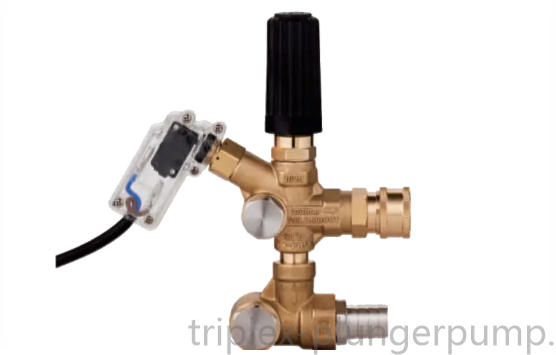
Industrial processes often require equipment that can deliver fluids consistently while operating under demanding mechanical conditions. A Plunger Pump uses the reciprocating movement of a plunger to displace fluid through a controlled intake and discharge cycle. Its suitability depends on the working medium, required operating conditions, component construction, and the maintenance practices used throughout its service life. Understanding these factors helps industrial buyers assess equipment more effectively and select a configuration that matches their actual requirements.
The working principle depends on changes in volume and pressure within the pumping chamber. As the plunger moves, fluid enters through an inlet valve and is subsequently displaced through an outlet valve. The accuracy of this sequence affects delivery consistency and the mechanical behavior of the equipment. Proper coordination between the plunger, valves, sealing components, and drive mechanism is therefore important for reliable operation.
Manufacturing precision influences the interaction between moving and stationary components. The plunger surface, working chamber, and sealing area require suitable dimensional accuracy to limit unnecessary friction and wear. Surface finish also matters because roughness or damage can affect movement and sealing performance. Consistent machining and careful assembly help maintain the intended clearances and support predictable operation over repeated working cycles.
Material selection should reflect the chemical and physical characteristics of the handled fluid. Depending on the application, components may encounter moisture, cleaning agents, corrosive substances, temperature fluctuations, or suspended particles. Different materials provide different levels of strength, corrosion resistance, and wear resistance. Buyers should consider fluid composition and the operating environment before selecting the materials used for internal and external components. This approach can help reduce premature deterioration and unnecessary replacement costs.
The sealing arrangement is particularly important because the plunger moves repeatedly through the sealing area. Seals must accommodate this movement while limiting leakage and maintaining suitable contact. Their composition should be compatible with the fluid and operating temperature. Installation quality also affects performance. Misalignment, contamination, excessive compression, or damaged surfaces can shorten service life. Regular inspection allows operators to identify deterioration before it develops into a more serious maintenance issue.
Valves control the direction of fluid movement and must respond reliably during each operating cycle. Repeated opening and closing can gradually affect valve seats and other contact surfaces. Contamination or deposits may also interfere with proper movement. Maintaining suitable fluid conditions and inspecting valve components at appropriate intervals can help preserve their function. Replacement parts should match the equipment design and the characteristics of the application.
The drive mechanism transfers movement to the plunger and experiences repeated mechanical loads during operation. Bearings, shafts, connecting components, and other moving parts need suitable support and alignment. Proper lubrication can help reduce friction, while a stable foundation limits unnecessary movement. If vibration, noise, or operating temperature changes unexpectedly, operators should investigate possible alignment problems, lubrication issues, or component wear.
Equipment selection should begin with a clear understanding of the process. Fluid viscosity, chemical composition, operating temperature, required pressure, duty cycle, and installation environment can all influence suitability. A process involving clean liquid may have different requirements from one involving abrasive particles or aggressive chemicals. Equipment intended for continuous operation may also require a different maintenance schedule from equipment used intermittently.
Maintenance planning helps preserve consistent performance. Operators should inspect seals, valves, connections, lubrication points, and visible moving components according to working conditions and manufacturer recommendations. Signs of leakage, abnormal vibration, unusual noise, or changes in operation should be investigated promptly. Keeping maintenance records can help identify recurring problems and improve the timing of service activities.
Installation conditions should also be evaluated before commissioning. The equipment needs a stable mounting surface and sufficient clearance for inspection and servicing. Connected piping should be arranged to avoid unnecessary forces on the pump connections. Environmental factors such as moisture, dust, chemical exposure, and temperature variation may influence component condition and maintenance requirements.
For industrial buyers, selecting a Plunger Pump requires consideration of the complete operating system, including materials, mechanical precision, sealing performance, valve condition, installation, and maintenance. Evaluating these factors together helps establish a sound basis for purchasing decisions and can reduce avoidable operating problems. Further information about available pump products and configurations can be found at https://www.triplex-plungerpump.com/product/pumps/ when assessing suitable equipment for industrial processes.

