


How Does Gangnammould Disposable Plastic Food Container Mould Support Production
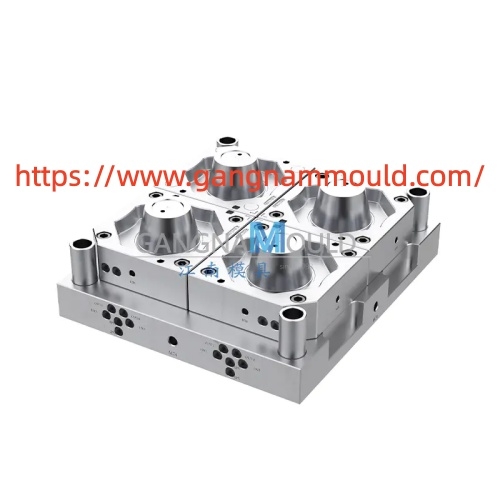
Disposable Plastic Food Container Mould selection requires more than comparing quotations. Buyers need to evaluate product dimensions, resin compatibility, expected output, tooling structure, and supplier communication before committing to a project. These factors influence manufacturing stability, unit costs, maintenance requirements, and the suitability of the finished packaging for its intended application. A clear purchasing plan helps businesses reduce avoidable design changes and establish realistic production expectations from the beginning.
The first step is to prepare a detailed product specification. Buyers should provide technical drawings, three dimensional files, or physical samples whenever possible. Information about capacity, external dimensions, wall thickness, rim geometry, compartment layout, and lid connection helps engineers assess the proposed design.
The intended application also matters. Takeaway meals, prepared salads, bakery items, and portioned ingredients can require different structural characteristics. For example, stackable packaging needs suitable sidewall geometry and rim support, while products with snap fit lids require careful attention to dimensional tolerances.
Buyers should also explain whether the packaging will be exposed to chilled storage, warm contents, transportation pressure, or repeated stacking. These conditions help the engineering team determine which design features deserve additional consideration.
Material selection affects filling behavior, shrinkage, flexibility, and the appearance of the finished part. Polypropylene and polyethylene terephthalate are used in different packaging applications, but their processing characteristics and end use requirements differ. Buyers should identify the intended resin grade before the tooling design is finalized.
Wall thickness deserves particular attention. Uneven sections can contribute to inconsistent cooling, warpage, sink marks, or variations in rigidity. A practical design balances material consumption with the strength required for handling, stacking, and transportation.
The lid interface should be reviewed alongside the main body. Even when both parts look suitable individually, differences in shrinkage or dimensional accuracy can affect closure performance. Where appropriate, sample testing can help verify fit, opening force, and resistance to leakage under the intended conditions.
For applications involving direct contact with food, buyers should separately confirm the applicable material regulations and documentation for their target market. Tooling specifications alone do not establish regulatory compliance for the complete packaging system.
Cavity quantity is an important purchasing consideration because it affects initial investment, output planning, machine requirements, and maintenance complexity. A multi cavity configuration may suit substantial production volumes, while a smaller layout can be appropriate for developing a new design or serving a more limited market.
Rather than selecting a configuration based only on the quoted price, buyers should estimate daily demand, working hours, target cycle time, and available machine capacity. The proposed arrangement should also account for balanced filling, consistent cooling, and reliable ejection across the cavities.
Automation deserves attention during this stage. If finished parts must be stacked, counted, or transferred automatically, the tooling arrangement should accommodate the planned equipment. Coordinating these requirements early can help prevent unnecessary adjustments after installation.
Cooling channels influence how heat is removed during each production cycle. Their layout should reflect the part geometry, wall thickness, and expected operating conditions. Uneven cooling can contribute to dimensional variation and longer processing times, so buyers should request an explanation of the proposed cooling strategy.
The ejection system is equally important. Ejector pins, draft angles, surface finishes, and release mechanisms need to work together to remove finished parts without excessive deformation or visible marks. These details become especially relevant for thin sections, deep shapes, and complicated rim structures.
Steel selection should be based on expected production volume, surface requirements, resin characteristics, and maintenance plans. Buyers can ask about the proposed steel grade, heat treatment, replaceable inserts, and access to components that require routine servicing.
A clear technical specification makes supplier quotations easier to compare. It also helps both parties understand what is included in the tooling package and which performance requirements must be verified during trials.
A quotation should be reviewed alongside engineering support, project communication, inspection arrangements, and delivery expectations. Buyers can ask whether design drawings will be submitted for approval, how trial samples will be evaluated, and what documentation will accompany the completed tool.
It is also useful to clarify how dimensional deviations or production issues will be handled. Defined acceptance criteria, agreed testing procedures, and a documented schedule can reduce misunderstandings throughout the project.
Gangnammould works with customers on customized tooling requirements across household and packaging related applications. When discussing a new project, buyers can prepare drawings, resin specifications, estimated production volumes, machine details, and target dimensions to help the engineering team assess the request.
A successful purchasing decision starts with clear specifications and a realistic understanding of production needs. By reviewing material compatibility, cavity configuration, cooling performance, release methods, and supplier support, buyers can make informed comparisons before placing an order.
For businesses planning customized packaging production, Gangnammould provides a starting point for discussing project requirements, design considerations, and manufacturing arrangements. Visit https://www.gangnammould.com/product/ to review the available product range and connect your requirements with a suitable tooling discussion. Careful preparation at the quotation stage can support clearer communication and a more organized path from initial design to production.

