


How Technology Is Changing Pharmaceutical Event Management
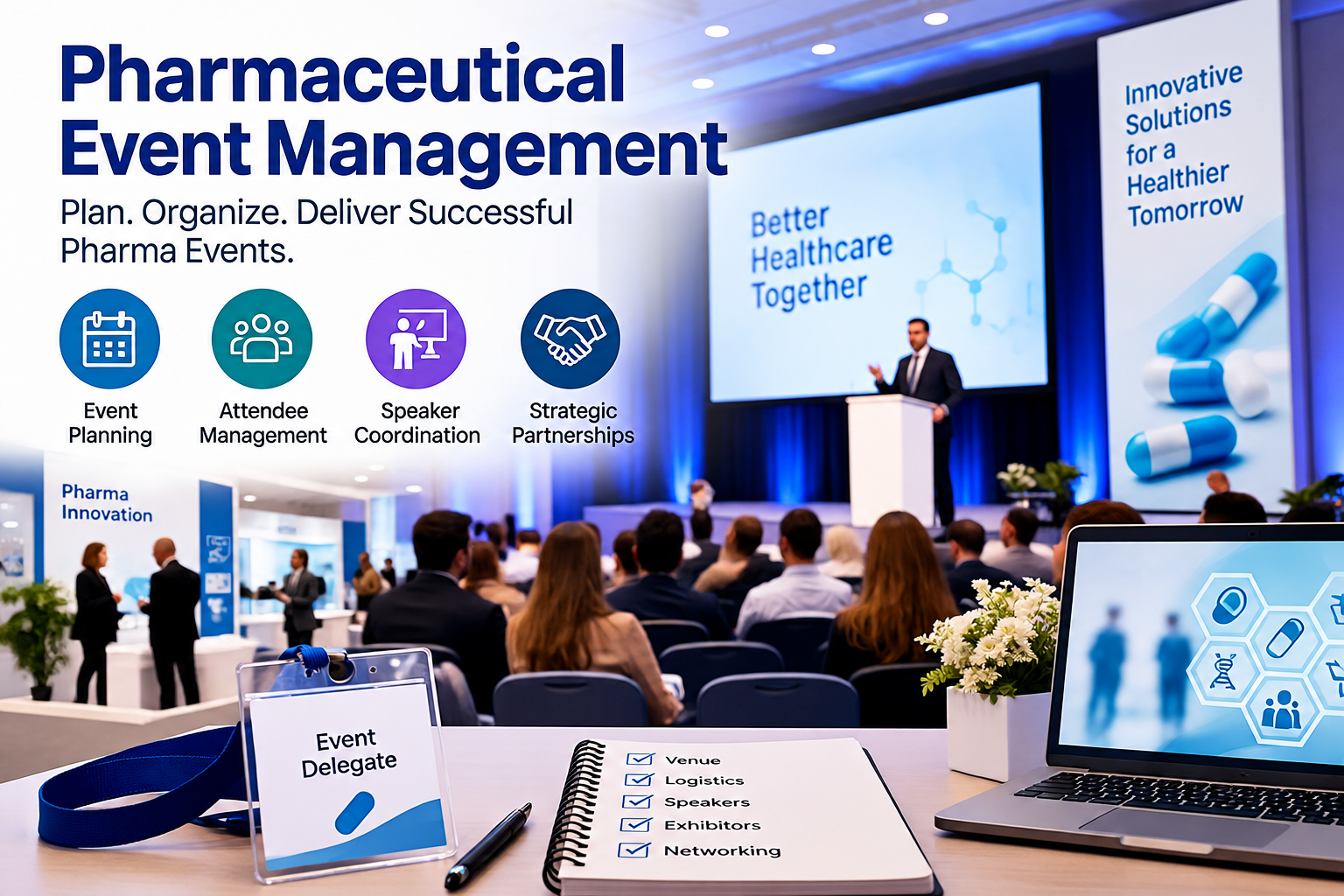
Technology is transforming the way healthcare events are planned, organized, and delivered. From medical conferences and pharmaceutical product launches to healthcare professional (HCP) meetings and educational seminars, digital tools are helping pharmaceutical companies create more efficient and engaging experiences. Traditional event planning often involves manual registration, extensive paperwork, and time-consuming coordination. Today, modern technology makes these processes faster, more accurate, and easier to manage.
Pharmaceutical event management combines event planning with the specific requirements of the pharmaceutical industry, including compliance, medical education, communication, and professional engagement. By adopting digital platforms, automation, virtual meeting tools, and data analytics, pharmaceutical companies can improve event quality while managing costs and meeting industry requirements.
The Growing Role of Technology in Pharmaceutical Event Management
Technology has become an important part of organizing successful pharmaceutical events. Companies can now use digital solutions to manage multiple activities through a single platform, reducing administrative work and improving coordination.
Digital Event Planning and Organization
Digital event management platforms allow organizers to handle registrations, invitations, schedules, speaker details, and attendee information in one place. These tools reduce the need for spreadsheets and manual communication.
Event planners can track tasks, assign responsibilities, monitor deadlines, and manage budgets more efficiently. This organized approach helps pharmaceutical companies avoid scheduling conflicts and ensure that every part of an event runs smoothly.
Automation of Routine Tasks
Automation is helping event teams save time by managing repetitive activities. Automated email invitations, registration confirmations, reminders, attendance records, and post-event surveys reduce the workload for organizers.
For example, when a healthcare professional registers for a medical conference, an automated system can send confirmation details and reminders before the event. This improves communication and helps attendees stay informed without requiring constant manual follow-up.
Virtual and Hybrid Events Are Expanding Access
One of the biggest changes in pharmaceutical event management is the growing use of virtual and hybrid events. These formats allow healthcare professionals to participate in educational programs without always needing to travel.
Virtual Medical Conferences and Webinars
Virtual conferences and webinars enable pharmaceutical companies to share medical information with healthcare professionals across different locations. Participants can attend expert presentations, join discussions, and access educational sessions through online platforms.
These events can reduce travel expenses and make participation more convenient for busy medical professionals. They also help companies reach broader audiences while maintaining opportunities for professional learning and interaction.
Benefits of Hybrid Event Formats
Hybrid events combine in-person participation with online attendance. They allow companies to organize physical conferences while offering remote access to participants who cannot attend in person.
For instance, a pharmaceutical company can host a medical education conference at a central venue and stream selected sessions to healthcare professionals in other regions. This approach increases flexibility and makes educational content more accessible.
Artificial Intelligence Is Improving Event Planning
Artificial intelligence (AI) is introducing new ways to plan, personalize, and evaluate pharmaceutical events. When used responsibly, AI-powered tools can help organizers make informed decisions and improve the attendee experience.
Personalized Attendee Experiences
AI tools can help organizers recommend relevant sessions, educational materials, and networking opportunities based on participants' stated interests and professional roles.
For example, a healthcare professional interested in clinical research may receive information about sessions focused on recent research developments. Personalization can make events more relevant and encourage greater participation.
However, personalization should respect privacy requirements and applicable regulations. Attendee information must be handled appropriately, especially when events involve healthcare professionals.
Predictive Planning and Resource Management
AI-assisted analytics can help event teams estimate registration numbers, identify attendance patterns, and plan resources more effectively.
By reviewing historical event data, organizers may identify which session formats attract more participants or which communication methods produce stronger engagement. These insights can support decisions about venue size, staffing, scheduling, and event promotion.
AI should support human decision-making rather than replace professional judgment, particularly when compliance and medical information are involved.
Data Analytics Helps Measure Event Performance
Data analytics has become an important component of pharmaceutical event management. Instead of relying only on attendance numbers, companies can evaluate several indicators to understand whether an event achieved its objectives.
Tracking Attendee Engagement
Digital platforms can provide information about registrations, attendance, session participation, survey responses, and content engagement. These insights help organizers understand which parts of an event were most useful to participants.
For example, if attendees consistently engage with a particular medical education session, organizers can consider similar topics for future programs.
Engagement data should be interpreted carefully. Attendance or clicks alone do not prove that participants gained knowledge or changed their professional practices.
Measuring Return on Investment
Technology helps companies compare event costs with measurable outcomes. Organizers can assess registration conversion rates, attendance, participant feedback, and operational expenses.
These measurements help pharmaceutical companies identify opportunities to improve future events, allocate budgets wisely, and demonstrate the value of their educational and professional engagement activities.
Compliance and Data Security in Digital Events
Pharmaceutical events often involve regulated communications, healthcare professionals, and sensitive business information. As technology becomes more widely used, compliance and data protection remain essential priorities.
Digital Compliance Management
Modern platforms can help organizers maintain attendance records, manage approvals, document speaker information, and store relevant event materials. Automated workflows may also support review processes and help teams identify incomplete documentation.
However, software alone cannot guarantee compliance. Pharmaceutical companies must follow applicable laws, industry codes, internal policies, and requirements relating to healthcare professional interactions.
Protecting Attendee Information
Online registration systems and virtual event platforms may collect personal and professional information. Companies should use appropriate security controls, limit access to authorized personnel, and select technology providers that meet their privacy and security requirements.
Data collection should be limited to legitimate purposes, with appropriate notices, permissions, and retention practices. These measures help protect participants and build trust in pharmaceutical events.
Mobile Technology Is Improving Communication
Mobile technology allows healthcare professionals to receive event updates and access important information conveniently.
Mobile Event Applications
Mobile event applications can provide schedules, speaker biographies, venue maps, session notifications, and educational resources. Participants can use these features to plan their attendance and find relevant information quickly.
Organizers can also communicate schedule changes or important announcements through notifications, reducing confusion during busy conferences.
Real-Time Interaction and Feedback
Mobile tools can support live polls, question-and-answer sessions, audience surveys, and interactive discussions. These features encourage participation and give speakers immediate feedback about audience interests.
For medical education events, interactive tools can help presenters identify areas that require further explanation and make sessions more engaging.
Digital Content Is Extending Learning Beyond Events
Technology allows pharmaceutical companies to provide educational resources before, during, and after an event. This creates opportunities for continued learning rather than limiting educational activities to a single meeting.
On-Demand Educational Resources
Recorded presentations, approved educational materials, session summaries, and online learning modules can help participants revisit important information after an event.
Access should be managed according to content permissions, speaker agreements, privacy obligations, and applicable pharmaceutical industry requirements.
Better Follow-Up and Communication
Digital communication tools help organizers share feedback forms, relevant resources, and event summaries with participants. Timely follow-up can reinforce key learning points and help companies understand what attendees found valuable.
Communication should remain relevant, professional, and consistent with applicable rules governing pharmaceutical promotion and medical education.
Challenges of Adopting New Technology
Although technology offers many advantages, pharmaceutical companies may face challenges when implementing digital solutions.
Integration and Training
Different platforms may not work smoothly together, leading to duplicated records or inefficient workflows. Companies should evaluate compatibility with existing systems and provide training so employees can use new tools effectively.
Maintaining Human Interaction
Technology can improve efficiency, but it cannot fully replace personal communication, professional networking, and direct discussion with medical experts. Successful events balance digital convenience with meaningful human interaction.
Managing Costs and Technical Risks
Advanced platforms, cybersecurity measures, and technical support can increase initial costs. Organizers should compare available solutions, test systems before events, and prepare backup plans for connectivity problems or platform failures.
Conclusion
Technology is changing pharmaceutical event management by simplifying planning, expanding access through virtual and hybrid formats, improving attendee engagement, and providing better ways to measure event performance. Artificial intelligence, automation, mobile applications, and data analytics help pharmaceutical companies organize events more efficiently and deliver more relevant educational experiences.
At the same time, successful technology adoption requires careful attention to compliance, data security, staff training, and human interaction. Digital tools should support the goals of medical education and professional engagement without compromising privacy or regulatory responsibilities.
By combining innovative technology with thoughtful planning and responsible practices, pharmaceutical companies can create more accessible, organized, and effective events. As digital solutions continue to develop, pharmaceutical event management will remain an important part of improving communication, supporting healthcare professionals, and delivering valuable educational experiences.

