


How Should Women Tactical Pants Fit? A Simple Sizing Guide
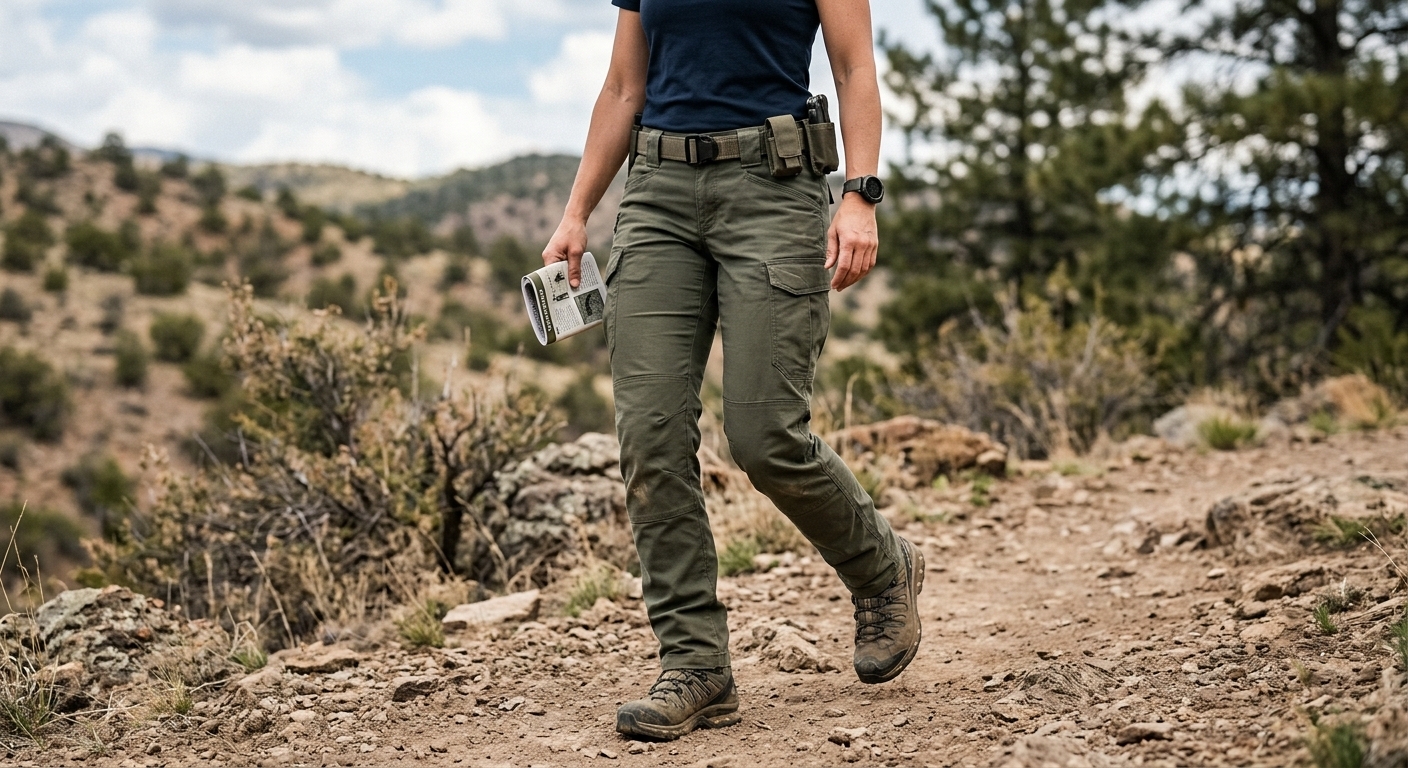
A good pair of pants should feel like a helper, not a problem. Many women buy a pair, wear it once, and then leave it in the closet because the fit feels wrong.
Women tactical pants are made for work, travel, hiking, and daily life, but they only perform well when the size is right. A pair that is too tight limits movement, and a pair that is too loose gets in the way. This guide from MGT Gear explains, step by step, how the perfect fit should look and feel.
What Makes Women Tactical Pants Different From Regular Pants?
Tactical pants are built to be strong, flexible, and useful. They have extra pockets, tough fabric, and strong stitching. Many pairs also have stretch panels, a gusseted crotch, and shaped knees. All these parts are made to help the wearer move, bend, climb, and carry small items without trouble.
Regular pants focus mostly on style. Tactical pants focus on use first and look second. Because of this, the fit works a little differently. The pants need enough room to move, but they should not be baggy. They also need to stay in place when the wearer bends or kneels.
Women tactical pants are also cut for a woman’s body. The hips are usually fuller, the waist is more shaped, and the rise is made to sit comfortably. Pants made from men’s patterns often gap at the waist or feel tight at the hips. A women’s cut avoids this problem.
Why Does the Right Fit Matter for Women Tactical Pants?
Fit affects comfort, safety, and how long the pants last. A wrong size can cause small problems that grow during a long day.
Pants that are too tight can pinch the waist, press on the stomach, and slow down movement. They can also wear out faster, because the fabric and seams stay under stress. Seams may pull apart at the knees or the seat after a few weeks.
Pants that are too loose can slide down, catch on branches, or get tangled when the wearer climbs stairs or rocks. Loose fabric can also make the pockets swing around, which is annoying when they hold a phone, keys, or tools.
The right fit gives free movement without extra fabric. It keeps the pockets steady and lets the pants last for many seasons.
How Should a Woman Measure Her Body Before Choosing a Size?
Before looking at a size chart, it helps to take a few simple measurements. A soft tape measure is all that is needed. The tape should be snug but not tight, and it should stay flat against the body.
Waist
The waist is measured at the narrowest part of the torso, usually just above the belly button. The wearer should stand straight, relax, and breathe out normally before taking the number.
Hips
The hips are measured around the fullest part, usually about eight inches below the waist. This number is very important, because many women find that their hip size and waist size fall into different size categories.
Inseam
The inseam is the length from the top of the inner thigh down to the ankle. The easiest way to get this number is to measure a pair of pants that already fits well, from the crotch seam to the bottom of the leg.
Thigh
The thigh is measured around the widest part of the upper leg. This number matters for active wearers, because tactical pants need space for squatting, climbing, and kneeling.
When the numbers are ready, they can be compared with the size chart. If the waist and hips fall into two different sizes, most fit experts suggest choosing the larger size and, if needed, adjusting the waist with a belt or a tailor.
How Should the Waist of Women Tactical Pants Fit?
The waist should feel snug but comfortable. A simple test is to slide two fingers between the waistband and the stomach. If the fingers fit easily, the waist is right. If the fingers cannot fit, the pants are too tight. If a whole hand fits, they are too loose.
Waistbands on tactical pants often have belt loops, and many have small elastic panels at the sides or back. These panels let the waist stretch a little when the wearer sits or bends. A good waistband should not roll down, dig into the skin, or leave deep marks after a few hours.
The waistband should also stay in place when the wearer moves. A well-fitted waist does not need constant pulling up. If the pants slide down while walking, the size is likely too big or the rise is too low.
How Should the Rise Feel?
The rise is the distance from the crotch seam to the top of the waistband. It decides where the pants sit on the body, and it has a big effect on comfort.
Low Rise
Low rise pants sit on the hips. They can look stylish, but they often feel less secure during active tasks. When the wearer bends over, they may slip down.
Mid Rise
Mid rise pants sit near the natural waist or just below it. Most women find this the best option for tactical pants, because it gives good coverage and stays in place during movement.
High Rise
High rise pants sit at or above the natural waist. They offer extra coverage and a secure feel, and many women like them for hiking and long travel days. However, they may feel too tall for shorter torsos.
When trying on a pair, the wearer should sit down, squat, and bend forward. The pants should stay in place and should not pull at the back or gap at the waist.
How Much Room Should the Hips and Thighs Have?
The hips and thighs are the parts where most fit problems appear. Tactical pants should skim the body, not squeeze it. A little room around the hips and thighs gives space for movement, while too much room makes the pants look shapeless.
A good test is the pinch test. The wearer stands and pinches the fabric on the thigh. About one inch of loose fabric is ideal for most styles. Less than that may feel tight when moving. More than two inches may feel baggy.
The seat area should lie smooth. Tight lines across the hips or fabric pulling into the crotch means the pants are too small. Extra fabric hanging at the back means they are too big.
For women with fuller hips or thighs, pants with stretch fabric or a curved waistband often fit better. These features help the pants follow the shape of the body without gaps at the back.
What Is the Right Length for Tactical Pants?
Length depends on how the pants will be used. Tactical pants should not drag on the ground, but they should not look too short either.
For everyday wear, the hem should reach the top of the shoe and sit slightly above the ground. This keeps the fabric clean and safe from tripping.
For hiking boots, the hem can sit a little lower so it covers the top of the boot. Many tactical pants also come with adjustable cuffs, drawcords, or snap tabs. These let the wearer tighten the bottom of the leg to keep out dirt, bugs, and wind.
If the pants are too long, rolling the hem is a simple fix, though it can add bulk. Hemming them is a cleaner choice. If the pants are too short, they may pull up when the wearer sits or climbs, which can feel uncomfortable.
How Should the Knees and Pockets Sit?
Many tactical pants have shaped knees. These are made with extra seams or darts so the leg can bend easily. When the wearer stands, the knee area should sit right over the knee. If it sits too high or too low, the length may be wrong.
Pockets should also sit flat. Cargo pockets on the thighs should not pull open or swing out when the wearer walks. When the pockets are full, the pants should still feel balanced.
The best way to test the pockets is to put a phone and a few small items inside, then walk, squat, and climb a few steps. The pants should stay comfortable and not feel heavy on one side.
Which Fit Style Suits Which Body Type?
Women tactical pants come in a few common fit styles. Each one works well for a different shape and purpose.
Straight Fit
Straight fit pants have the same width from the hip to the ankle. They are a safe choice for most women and work well for everyday use, travel, and work.
Relaxed Fit
Relaxed fit pants have more room in the hips and thighs. They suit women who want extra comfort and movement, or who carry a lot in their pockets.
Slim or Tapered Fit
Slim or tapered pants are closer to the body and narrow toward the ankle. They look neat and work well with boots, but they need stretch fabric to stay comfortable.
Curvy Fit
Curvy fit pants have extra room at the hips and a smaller waist. Women with a fuller hip-to-waist difference often find these pants the best match, because they remove the gap at the back of the waistband.
How Does Fabric Change the Fit?
Fabric has a big effect on how pants feel. Two pairs in the same size can fit very differently if the materials are different.
Cotton ripstop is strong and breathable, but it has little stretch. Pants made from it may need a slightly looser size for easy movement.
Blends with spandex or elastane stretch more. These pants can feel closer to the body and still allow full movement. They are a great pick for climbing, kneeling, and long hours of activity.
Some fabrics shrink a little after the first wash. Cotton-rich pants may get slightly shorter or tighter, so many shoppers choose a bit of extra room if the pants are made of pure cotton. Reading the care label helps avoid surprises.
How Can a Woman Test the Fit at Home?
After the pants arrive, a short fit test shows whether the size is right. It only takes a few minutes.
First, the wearer puts on the pants and fastens the waist. She stands straight and checks that the waist feels snug without pinching.
Next, she squats low, as if picking something up. The pants should stay in place, with no pulling at the back and no pressure on the stomach.
Then she lifts one knee to chest height, as if climbing a step. The pants should allow this without strain at the hips or thighs.
After that, she sits down and checks the waistband and seat. The waist should not dig in, and the seat should not feel tight.
Finally, she walks around for a few minutes with the pockets filled. If the pants feel comfortable and stay steady, the fit is right.
What Are the Most Common Sizing Mistakes?
Many fit problems come from a few simple mistakes.
One mistake is choosing the size based on regular clothing. Sizes vary from brand to brand, so the size chart should always be checked first.
Another mistake is ignoring the hips. When the waist fits but the hips are tight, the pants will feel uncomfortable all day.
Some shoppers also pick pants that are too tight because they want a slim look. Tactical pants are made for movement, so a bit of room is a good thing.
A final mistake is forgetting about layers. In cold weather, many women wear thermal leggings under their pants. In this case, a slightly larger size may be needed.
How Does MGT Gear Help Women Find the Right Fit?
MGT Gear designs women tactical pants with real movement in mind. The pants are made with shaped waistbands, stretch panels, and room in the hips and thighs, so they work for different body types.
Each product page includes a clear size chart, so shoppers can compare their body measurements before ordering. Fit notes help women choose between straight, relaxed, and other cuts, and the fabric details explain how much stretch to expect.
By taking the guesswork out of sizing, MGT Gear aims to help women choose pants that feel good from the first wear. The goal is simple: tough, useful pants that fit well and last long.
Conclusion
Finding the right size in women tactical pants does not have to be hard. A woman who measures her waist, hips, inseam, and thighs, then compares them with the size chart, has already done most of the work. From there, she can check the waist, rise, hip room, and length to confirm that the pants feel comfortable and secure.
The best fit allows her to walk, bend, squat, and climb without pulling, pinching, or sliding. It also keeps the pockets steady and lets the fabric move with her body. When these points are met, she can wear the pants for long hours with confidence.
MGT Gear believes that a good fit is the base of every great pair of tactical pants. With clear sizing details and thoughtful designs, MGT Gear helps women pick pants that work as hard as they do, from busy workdays to outdoor trips.
Here, you can find more articles.

