


How Can Composite Mould Design Support Planned Production?
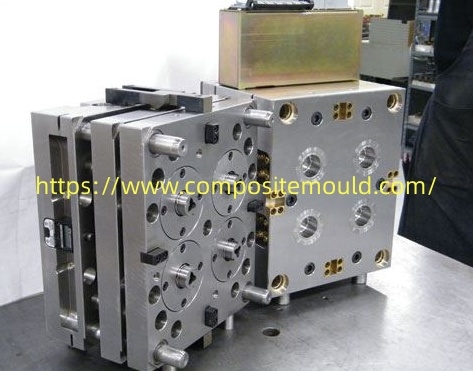
Composite Mould projects require buyers to evaluate product drawings, material specifications, manufacturing conditions, production targets, and quality expectations before confirming an order. A clear technical brief helps the supplier understand the intended application, identify design questions, and prepare a proposal that reflects the actual requirements. Careful preparation also supports communication between purchasing, engineering, and production teams throughout the project.
Prepare Accurate Engineering Drawings
Start by collecting the latest three-dimensional model, two-dimensional drawings, dimensional tolerances, and assembly information. These documents help the supplier understand the component geometry and identify areas that may require additional engineering review.
Mark critical dimensions and explain how they affect assembly or product function. If the component includes ribs, curved surfaces, inserts, thin sections, or complex transitions, provide suitable details rather than relying on general descriptions.
Buyers should also confirm that all documents use the same revision. Conflicting drawings can create misunderstandings during design approval and manufacturing. If certain specifications remain undecided, list them separately and explain when the final information will be available. This gives the supplier a clearer basis for discussing feasibility and preparing a quotation.
Explain Material and Processing Requirements
Material selection affects tooling configuration, dimensional stability, surface appearance, and processing conditions. Share the intended material grade, available technical data, reinforcement information, and relevant processing recommendations whenever possible.
The manufacturing method should also be clearly identified. Depending on the application, the tooling may require specific arrangements for temperature control, venting, release, pressure, or cooling. These details should be evaluated according to the selected material and the geometry of the finished component.
It is useful to explain the product's operating environment as well. Heat, moisture, chemical exposure, mechanical loads, and repeated use may influence design decisions. With this information, the supplier can discuss practical considerations before construction begins instead of relying on assumptions that may need correction later.
Set Production Targets and Service Expectations
Expected production volume helps determine the appropriate tooling arrangement and projected operating costs. Buyers should distinguish prototype quantities, initial orders, and estimated annual demand. If future sales remain uncertain, provide a reasonable forecast range.
Ask the supplier to explain how the proposed design addresses expected usage, maintenance access, wear, and replaceable components. A project intended for limited testing may require a different arrangement from one planned for recurring production over several years.
Future expansion should also be discussed. If output may increase, ask whether the proposed configuration can accommodate the change or whether additional investment would be needed. Considering these possibilities at the beginning can help buyers compare proposals based on both immediate requirements and longer-term plans.
Define Inspection and Acceptance Criteria
Quality requirements should be agreed upon before manufacturing starts. Identify critical dimensions, assembly interfaces, surface texture, appearance expectations, and any restrictions on visible marks. Where applicable, provide reference samples, photographs, or measurable acceptance limits.
Avoid relying entirely on general phrases such as accurate dimensions or good appearance. Different teams may interpret these descriptions differently. Specific requirements provide a clearer reference for engineering review, sample assessment, and production inspection.
Discuss the inspection process with the supplier. Depending on the component, checks may include dimensional measurement, visual examination, assembly verification, or functional testing. Confirm which records must be provided and who has authority to approve samples.
A documented acceptance process also helps manage corrections. When a sample requires changes, both parties should identify the issue, record the agreed adjustment, and confirm which drawing revision applies before further work proceeds.
Examine the Complete Quotation
A quotation should explain the proposed scope rather than present a price alone. Check whether design work, tooling construction, trial samples, inspection, modification work, packaging, and transportation are included. Ask the supplier to identify exclusions and assumptions clearly.
Delivery planning deserves similar attention. Request a schedule covering design confirmation, construction, trial production, corrections, and final approval. Confirm which milestones depend on customer feedback, material availability, or other project inputs.
Buyers should also clarify ownership arrangements, technical documentation, maintenance guidance, and support after delivery. These details may influence future production planning and the responsibilities of both parties.
When comparing suppliers, assess the technical response alongside the commercial offer. A clearly defined scope makes it easier to compare proposals fairly and identify potential differences in service, schedule, and expected deliverables.
Establish a Clear Communication Process
Regular communication helps keep custom tooling projects organized. Before placing an order, identify the main contact person, the procedure for reviewing drawings, and the method for recording design changes. Confirm how sample feedback will be communicated and who must approve important decisions.
Maintain a shared record of current drawings, agreed specifications, quotation details, and approval status. This reduces the risk of teams working from outdated information and helps clarify responsibility when revisions become necessary.For buyers evaluating their next project, compositemould provides a starting point for reviewing available product information and discussing manufacturing requirements. Prepare the component drawings, material details, estimated quantities, and inspection criteria before making an enquiry. Visit https://www.compositemould.com/product/ to review the available options and begin a discussion based on your project's technical needs.

