


Kerala Holidays Made Easy: Itineraries, Backwaters, Ayurveda and Beaches
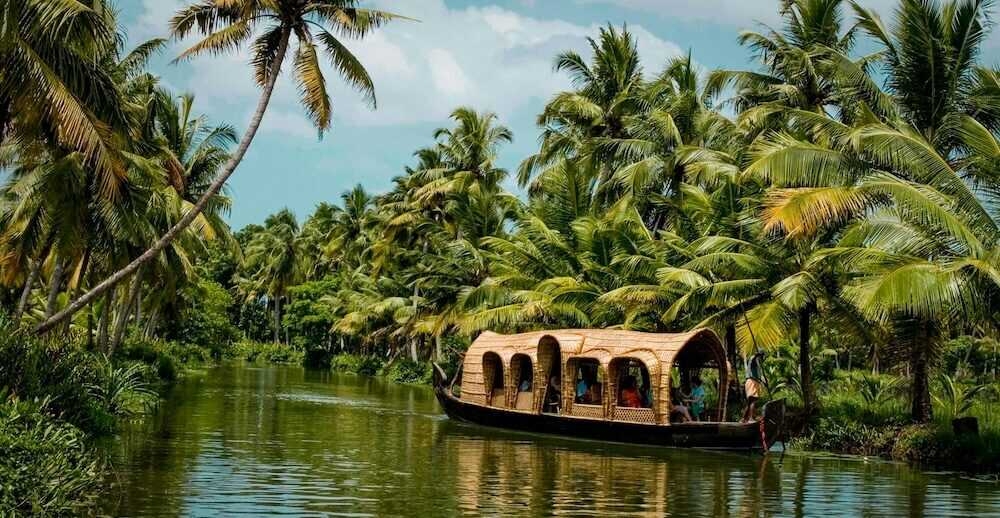
Kerala is a state in south-west India. It has calm backwaters, green hills, long beaches and a famous system of natural healing called Ayurveda. Many European visitors plan Kerala holidays because they want a slow, warm and relaxing trip, not a rushed tour.
This guide helps you plan holidays to Kerala step by step. You will learn the best time to go, how to build a 7-, 10- or 14-day plan, how to pick a houseboat and an Ayurveda centre, and how to stay safe and healthy. We use official and trusted sources, and we say clearly when something needs a check.
Quick Answers: Kerala Holidays at a Glance
• Best time to go: October to March has the most pleasant weather for most visitors.
• Busiest months: January and February.
• Rainy season: The southwest monsoon normally reaches Kerala around 1 June, according to India’s weather office (IMD).
• Ideal trip length: 7 to 14 days. Ten days works well for most first-timers.
• Main airport: Cochin International Airport (Kochi), about 25 km from the centre of Kochi city.
• Visa: Most European visitors need an e-Tourist Visa, which you apply for online on the official Indian government portal.
• Costs: Prices change by season and style of travel. We do not list fixed prices here, because old numbers can mislead people. Ask for written quotes instead.
Why Choose Kerala Holidays?
Kerala packs many kinds of holiday into a small area. In one trip you can sleep on a houseboat, walk through tea hills, relax on a cliff-top beach and have a traditional massage. Distances are short compared with the rest of India, so you spend less time on the road.
Here is what draws most Western visitors:
• Backwaters: A network of lakes, canals and rivers around Alappuzha (Alleppey) and Kumarakom.
• Ayurveda: Kerala is widely known as a home of this traditional medicine system.
• Hills: Munnar sits about 1,600 metres above sea level, so the air feels cooler there.
• Beaches: From busy Kovalam to the cliffs of Varkala.
• Culture and food: Dance-drama, festivals, and a cuisine built on coconut, spices and fresh seafood.
Kerala also has downsides. It is hot and humid for much of the year. Roads can be slow and busy. Some touts and drivers push shops and centres that pay them a commission. We cover each of these below, so you can plan with open eyes.
Best Time to Visit Kerala
The winter months, from October to March, are usually the best time for Kerala holidays. The weather is warm and sunny, and humidity is lower. Travel guides also say the backwaters are most reliable for cruising from October to mid-March.
However, the rain does not follow a neat calendar. Kerala gets two monsoons. The southwest monsoon brings rain from June to September. The northeast monsoon brings rain from October to December. So you may still see showers in October and November, especially in the hills.
|
Months |
What to expect |
Good for |
|
November to February |
Dry, cooler mornings, clear skies. January and February are the busiest. |
Backwaters, beaches, sightseeing |
|
March to May |
Hot and humid. Average summer highs are around 33°C. |
Hill stations, early starts, lower prices |
|
June to September |
Southwest monsoon. Heavy rain and occasional flooding. |
Quiet trips, green scenery, wellness stays |
|
October to December |
Northeast monsoon showers, then drier weather by December. |
Shoulder-season trips |
Heads up: The UK’s Foreign, Commonwealth and Development Office (FCDO) warns about flash floods and landslides in mountainous parts of India during heavy rain. If you visit Munnar or Wayanad in the monsoon, check the weather daily and stay flexible.
Pro tip: The monsoon is not a bad choice if you plan mostly indoor wellness. A week at an Ayurveda centre does not depend on sunshine. Just book places with good drainage and easy access, and pack a light rain jacket.
How Many Days Do You Need for Holidays to Kerala?
The answer depends on how much you want to see and how fast you like to move.
• 5 to 7 days: Enough for one region, such as Kochi, Munnar and the backwaters.
• 10 days: A good balance. You can see hills, backwaters and a beach without feeling rushed.
• 14 days: Time for a proper Ayurveda stay, plus wildlife and a second beach.
The main reason to add days is travel time. Roads are slower than the map suggests. One tour operator lists Kochi to Munnar as about 140 km and 4 hours, and Thekkady to Kumarakom as about 170 km and 5 hours. Plan for at least one slow travel day between each region.
Kerala Itineraries: 7, 10 and 14 Days
These plans use the drive times above. They are sample routes, not fixed rules. Change them to match your own pace.
7-Day Kerala Itinerary: The Classic Loop
• Day 1: Arrive in Kochi. Rest and explore Fort Kochi.
• Day 2: Drive to Munnar (about 4 hours).
• Day 3: Tea hills and viewpoints around Munnar.
• Day 4: Travel to Thekkady (Periyar area) for a spice plantation visit or a boat trip on Periyar Lake.
• Day 5: Travel to Kumarakom or Alleppey.
• Day 6: Houseboat cruise on the backwaters.
• Day 7: Check out in the morning and drive to Kochi airport (about 2.5 hours from Alleppey).
10-Day Kerala Itinerary: Hills, Backwaters and Beach
• Days 1 to 2: Kochi and Fort Kochi.
• Days 3 to 4: Munnar.
• Days 5 to 6: Thekkady.
• Days 7 to 8: Kumarakom and a houseboat night near Alleppey.
• Days 9 to 10: Beach time. Kovalam and Trivandrum are about 4 hours from Kumarakom by road, and Varkala is another beach option on the same coast. Fly home from Trivandrum airport if your ticket allows it, so you do not backtrack to Kochi.
14-Day Kerala Itinerary: Slow Travel with Ayurveda
• Days 1 to 3: Kochi and a gentle start. Let jet lag fade.
• Days 4 to 5: Munnar.
• Days 6 to 7: Thekkady.
• Days 8 to 9: Backwaters and a houseboat night.
• Days 10 to 13: An Ayurveda stay at a classified centre (see below), or a mix of Ayurveda and beach time at Varkala.
• Day 14: Transfer to the airport.
Tip for open-jaw flights: Fly into Kochi and out of Trivandrum (or the reverse). It saves a long drive on your last day.
Kerala Backwaters and Houseboats
The backwaters are the heart of many Kerala holidays. They are a web of lakes, canals and lagoons that run parallel to the Arabian Sea coast. Kerala Tourism often calls Alappuzha the “Venice of the East”. The Vembanad Lake, which reaches the sea at Kochi, is India’s longest lake, according to National Geographic.
What a houseboat trip is like
A traditional houseboat is called a kettuvallam. You float slowly past paddy fields, coconut palms and village life. The pace is very gentle. You eat meals on board, cooked by the crew.
One tour operator’s package details give useful timing facts. Check-in is usually around 1:00 pm, and check-out is around 9:30 am. On deluxe boats the air conditioning may run only from 9 pm to 6 am, while premium and luxury boats offer it all day. Always confirm these details before you pay.
How to choose a good houseboat
1. Ask about air conditioning hours. This matters a lot in the heat.
2. Ask what is included. Meals, drinking water and crew are normally part of the deal. Confirm in writing.
3. Ask about waste. Responsible boats do not dump sewage or plastic into the lake. Ask how they handle it.
4. Read recent reviews from several websites, and check dates.
5. Choose an overnight stay if you can. A day cruise is fine, but the evening and early morning on the water are the best parts.
Pro tip: If you prefer something quieter, try a canoe tour through narrow village canals. Smaller boats reach places that large houseboats cannot.
Ayurveda in Kerala: How to Choose a Genuine Centre
Kerala is one of the best-known places in the world to try Ayurveda. Treatments range from a simple oil massage to long, doctor-led programmes. Because demand is high, quality varies a lot.
How the official classification works
The Government of Kerala runs a classification scheme for Ayurveda centres. Kerala Tourism says the scheme began in the late 1990s and was revised in 2019. It now has three categories: Ayur Silver, Ayur Gold and Ayur Diamond. Silver has the minimum facilities, and Diamond has the highest.
You may also see the older labels Olive Leaf and Green Leaf on some listings, including on Kerala Tourism’s own centre pages. These came from the earlier scheme. If a centre shows a certificate, check which scheme it comes from and ask when it was issued.
Simple checks before you book
• Ask to see the classification certificate. Real centres will show it.
• Ask who the doctor is. A genuine centre has qualified Ayurveda doctors and trained therapists.
• Expect health questions. Good centres ask about your health before treatment, and may refuse treatment if it is not suitable for you.
• Be careful with taxi drivers’ recommendations. One travel guide notes that drivers often get a commission from the centres they recommend, and the centres that pay the highest commissions are not always the best.
• Prefer centres linked to a hospital or an established hotel over random walk-in spas.
• Get the price list first. Ask what each treatment includes and how long it lasts.
What a first visit looks like
You usually start with a talk with the doctor. The doctor then suggests a plan. This may include herbal oil massage, steam, or other therapies. You may also get diet advice. A longer programme, such as panchakarma, is a detox-style course that runs for days or weeks under a doctor.
Heads up: Ayurveda is a traditional system. It does not replace modern medicine. If you have a medical condition or take regular medicine, talk to your own doctor before you go.
Kerala Beach Holidays: Varkala, Kovalam and More
Kerala’s coast is long, and the beaches feel calmer than many in other parts of India.
Varkala
Varkala is the only beach in Kerala with a long cliff above the sea. The Geological Survey of India (GSI) named the Varkala cliff a National Geological Monument in 2014. Cafes, guesthouses and yoga studios line the clifftop, and Papanasam Beach lies below. Varkala is about 39 km from Trivandrum airport.
Heads up: News reports say the cliff is eroding, and India’s National Green Tribunal has asked the authorities to look into its condition. Keep to marked paths, stay away from the cliff edge, and follow local advice.
Kovalam and the south
Kovalam sits near Trivandrum, the state capital. It is easy to reach and has many hotels, so it suits first-timers who want simple logistics.
Swimming safety
Sea conditions change. Currents can be strong, and the monsoon months bring rough water. Swim only where lifeguards are on duty and follow the flags.
Hills, Wildlife and Food
Munnar
Munnar was once a summer retreat for the British government in South India, according to local tour operators. Today it is known for tea estates, cool mornings and viewpoints. Allow about 4 hours by road from Kochi.
Thekkady and Periyar
The Periyar area is in Kerala’s highlands, roughly a five-hour drive east of Kochi, according to National Geographic. Visitors come for boat rides on the lake, spice gardens and nature walks.
If you see elephant rides offered, think twice. Many travellers now prefer to watch wildlife from a distance and choose operators with clear animal-welfare rules. Ask how the animals are treated before you book anything.
Food to try
• Sadya: A vegetarian feast served on a banana leaf, often at festivals.
• Appam with stew: Soft rice pancakes with a mild coconut curry.
• Fish and seafood: Fresh along the coast.
• Filter coffee and masala tea: Easy to find, and a good break between sights.
A cooking class is a great way to learn how local spices work, and it makes a useful half-day activity on a rainy afternoon.
Visa, Flights and Getting Around
Visa for Kerala holidays
{
"@context": "https://schema.org",
"@type": "BlogPosting",
"headline": "Kerala Holidays Made Easy: Itineraries, Backwaters, Ayurveda and Beaches",
"description": "<p class="MsoBodyText"><span lang="EN-US">Kerala is a state in south-west India. It has calm backwaters, green hills, long beaches and a famous system of natural...",
"image": "https://makemyfriends.com/content/uploads/photos/2026/10/mmf_7bdd556e186e001689f7bebc5839b1ee.jpg",
"author": {
"@type": "Person",
"name": "Indian Odyssey",
"url": "https://makemyfriends.com/indianodysseyuk"
},
"publisher": {
"@type": "Organization",
"name": "MakeMyFriends",
"url": "https://makemyfriends.com"
},
"datePublished": "2026-10-20 10:13:38",
"dateModified": "2026-10-20 10:13:38",
"mainEntityOfPage": {
"@type": "WebPage",
"@id": "https://makemyfriends.com/blogs/52649/Kerala-Holidays-Made-Easy-Itineraries-Backwaters-Ayurveda-and-Beaches"
},
"url": "https://makemyfriends.com/blogs/52649/Kerala-Holidays-Made-Easy-Itineraries-Backwaters-Ayurveda-and-Beaches",
"articleSection": "Other",
"keywords": "Kerala_Holidays, Holidays_to_Kerala, Holidays_to_Kerala_India, Kerala_India_Holidays",
"wordCount": "65535",
"commentCount": "",
"interactionStatistic": [{
"@type": "InteractionCounter",
"interactionType": "https://schema.org/CommentAction",
"userInteractionCount": ""
},
{
"@type": "InteractionCounter",
"interactionType": "https://schema.org/ViewAction",
"userInteractionCount": ""
}
]
}

