


What Is Traditional Bavarian Clothing? A Complete Guide
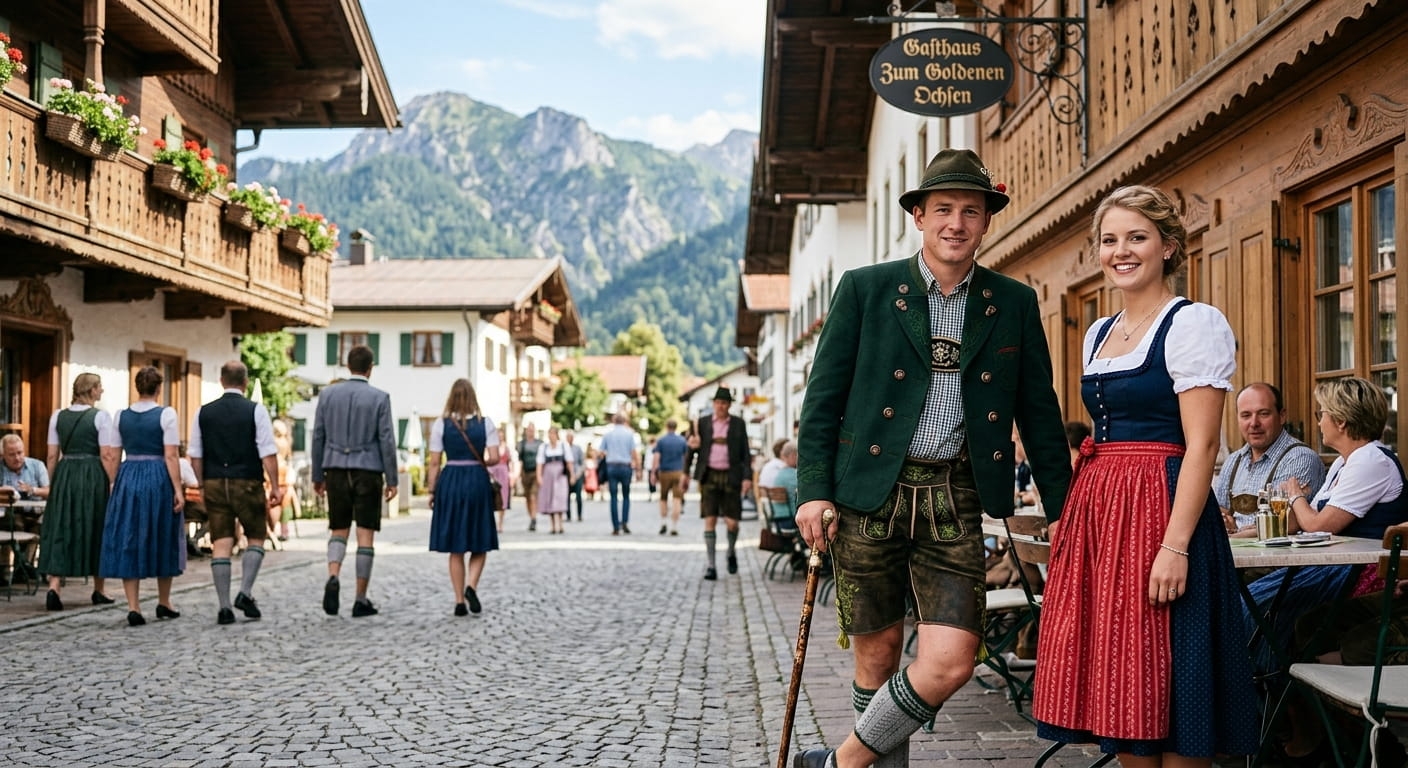
Bavaria, a proud region in southern Germany, is famous for its mountains, beer halls, and colorful festivals. Traditional Bavarian clothing is the outfit that people most often link with this region. It includes the dirndl for women and lederhosen for men, and both styles carry a long story behind them.
Many visitors first see these outfits at Oktoberfest in Munich. However, the clothes are much more than party wear. They show local pride, family history, and a love for simple village life. Brands like Dirndl for sale help people around the world enjoy this heritage in a modern way.
What Does Traditional Bavarian Clothing Mean?
Traditional Bavarian clothing is a set of regional outfits worn in Bavaria and nearby parts of Austria. In German, these outfits are called Tracht. The word simply means traditional dress.
Each outfit is made for work, church, and village celebrations. Over time, the clothes became a symbol of home and identity. When a person wears Tracht, it tells others where they come from and what they value.
A Short History of Bavarian Dress
Roots in Farm and Mountain Life
Hundreds of years ago, farmers and mountain workers in Bavaria needed strong clothes. Leather, wool, and linen were easy to find and lasted a long time. Early lederhosen were made from animal hides because they could handle hard work, rain, and rough ground.
Women wore simple dresses with aprons that kept their clothes clean while cooking, cleaning, and farming. These plain work clothes slowly turned into the dirndl that people know today.
The Rise of Fashion in the 1800s
In the 1800s, city people began to admire the simple charm of village clothes. Wealthy families in Munich and Vienna started wearing fancy versions made with silk, lace, and fine cotton. This is how a working dress became a fashion piece.
Clubs that protect local customs also appeared during this time. They helped keep old styles alive and taught younger people how to wear them with pride.
Tracht Today
Today, Tracht is more popular than ever. Young people wear it to weddings, birthdays, harvest fairs, and festivals. Designers keep adding fresh colors and cuts, so the tradition feels alive and not stuck in the past.
Main Pieces of Traditional Bavarian Clothing for Women
The Dirndl Dress
The dirndl is the heart of women’s Bavarian fashion. It has a fitted bodice, a full skirt, a blouse, and an apron. The dress is neat, cheerful, and easy to recognize.
Most dirndls are made from cotton, linen, or satin. Fancier styles may use velvet, brocade, or lace. A good dirndl fits close at the chest and waist, and the skirt flows down to the knee or a little below.
The Dirndl Blouse
The blouse sits under the bodice. It is usually white or cream and may have puffed sleeves, lace edges, or small embroidery. A simple blouse gives a clean look, while a lace blouse feels more festive.
The Apron and Its Hidden Meaning
The apron is more than a pretty add-on. Many people know that the bow on the apron has a special meaning. A bow tied on the left side often shows that the woman is single. A bow on the right side often shows that she is married or in a relationship. A bow tied at the back often shows that the woman is a widow.
This small detail makes the dirndl a fun part of Bavarian culture, and many wearers enjoy sharing it with friends.
Shoes, Socks, and Accessories
Women often pair the dirndl with flat shoes, low heels, or clog-style shoes. Knee socks or tights add warmth in cooler weather. Popular extras include silver necklaces, braided hairstyles, flower hair clips, and small shawls.
Main Pieces of Traditional Bavarian Clothing for Men
Lederhosen
Lederhosen are leather shorts or knee-length pants held up by suspenders. Soft goat, deer, or cow leather is common. A well-made pair can last for many years, and it often looks better with age.
Many lederhosen have fine stitching and decorative patterns. Some families even hand them down from one generation to the next.
The Checkered or White Shirt
Men usually wear a cotton shirt with lederhosen. Red and white check, blue and white check, and plain white are the most popular choices. The shirt is comfortable and keeps the whole outfit fresh.
Socks, Shoes, and Hats
Tall wool socks and sturdy shoes complete the lower half of the look. Many men also wear a felt hat, sometimes with a small feather on the side. The hat adds charm and shows personal taste.
Vests and Jackets
A vest or short jacket may be added for cooler days. Green, gray, and brown are classic colors, and some pieces have metal buttons or embroidery.
Fabrics and Colors Used in Bavarian Outfits
Common Fabrics
Cotton, linen, wool, and leather are the base materials. Cotton and linen are light and good for summer. Wool keeps the body warm in autumn and winter. Leather is tough and ideal for lederhosen.
Higher-end dirndls may use silk blends or velvet for a rich feel. A quality fabric not only looks nicer but also lasts longer after many washes.
Popular Colors and Patterns
Classic colors include deep green, navy blue, red, and burgundy. Soft pastel shades like pink, mint, and lavender are also very popular, especially for spring and summer events. Patterns often include small flowers, stripes, and checks.
Modern designers also try bold prints and fresh color mixes. This gives wearers more choice while still keeping the traditional shape.
Where Is Traditional Bavarian Clothing Worn?
Oktoberfest and Beer Festivals
Oktoberfest is the best-known place to see Bavarian clothing. Thousands of visitors dress up every year, and many travelers buy their first outfit just for the trip. Wearing Tracht is a fun way to join the spirit of the festival.
Weddings and Family Events
Many Bavarian couples choose Tracht for weddings. Guests also love to wear it because it looks elegant and festive. Christenings, birthdays, and village parties are other common events.
Folk Dances and Music Shows
Dance groups and folk bands wear matching Tracht while performing. The clothes help tell the story of the music and make the show look more authentic.
Themed Parties and Costume Events
Outside Germany, people also enjoy Bavarian outfits at Oktoberfest-style parties, school events, and cultural fairs. A well-made dirndl or lederhosen set makes these events feel real and joyful.
How to Choose the Right Traditional Bavarian Clothing
Pick the Correct Size and Fit
Fit matters more than anything else. A dirndl should feel snug but not tight. The bodice should lift and support without pinching. For lederhosen, the waist and the length should sit comfortably, and the suspenders should be easy to adjust.
Measuring the chest, waist, and hips before ordering is a smart step. A size chart helps buyers avoid mistakes.
Choose the Right Length
Dirndl length changes the whole mood. A mini length looks playful, a midi length looks classic, and a long length looks elegant. Many first-time wearers choose the midi length because it suits most body types and most events.
Think About the Occasion
A casual fair needs a simple cotton dirndl. A wedding or formal dinner may call for satin, velvet, or lace. For men, plain cotton shirts work for casual days, while richer shirts and embroidered lederhosen suit formal events.
Check the Quality
Good clothes have neat stitching, strong seams, and smooth zippers or hooks. Real leather lederhosen should feel soft and flexible. Buyers can also look at customer reviews and return policies to feel safe about the purchase.
Why Authentic Traditional Bavarian Clothing Matters
Cultural Respect
Real Tracht follows old shapes and styles that people in Bavaria have kept for generations. When a brand makes clothes with care and respect for these ideas, the clothes feel true to the culture.
Better Comfort and Durability
Authentic pieces are made to be worn for long hours. They are cut well, sewn strongly, and finished with quality materials. Cheap costume sets often feel itchy, fade fast, or lose shape after one wash.
Better Value Over Time
A well-made outfit may cost more at first, yet it often lasts for many events and many years. For this reason, many shoppers see it as a smart long-term buy and not a one-time costume.
How to Care for Bavarian Outfits
Washing Dirndls
Most cotton and linen dirndls can be washed gently by hand or on a soft machine cycle with cold water. Washing them inside a mesh bag protects lace and small details. Drying them flat or on a hanger keeps the shape neat.
Satin and velvet pieces need extra care. Spot cleaning or dry cleaning is usually the safest option.
Caring for Lederhosen
Leather should not be soaked in water. A soft brush removes dust, and a damp cloth can clean small marks. Leather care cream keeps the material soft and stops cracks. Storing the pants in a cool, dry place helps them last longer.
Smart Storage Tips
A padded hanger or a breathable garment bag works best. Plastic bags can trap moisture, so they are not a good choice. A few cedar blocks help keep moths and bad smells away.
Styling Ideas for Modern Wearers
Keep It Simple
A classic look is often the best. A plain dirndl, a white blouse, and a neat apron already look lovely. Light jewelry and a simple hairstyle finish the picture.
Mix Tradition With Today’s Fashion
Some people pair a short dirndl with white sneakers for a relaxed style. Others add a denim jacket or a cozy cardigan on chilly evenings. These small changes keep the outfit fresh and personal.
Group and Couple Looks
Friends and couples sometimes choose matching colors for a fun group photo. A green dirndl and green vest, for example, look great together at a festival.
Common Questions About Traditional Bavarian Clothing
Is Traditional Bavarian Clothing Only for Oktoberfest?
No. It is worn at many events across the year, including weddings, folk shows, and village fairs. Oktoberfest is just the most famous stage for it.
Can People From Other Countries Wear It?
Yes. Bavarians are generally happy when visitors enjoy their culture with respect. Wearing the outfit correctly and with care is seen as a kind gesture.
How Much Does a Dirndl or Lederhosen Cost?
Prices change based on fabric, brand, and detail. Simple cotton dirndls cost less, while silk, lace, or hand-stitched pieces cost more. Real leather lederhosen are usually priced higher than costume versions because of the material and skill involved.
Final Thoughts on Traditional Bavarian Clothing
Traditional Bavarian clothing is a living piece of culture that blends history, craft, and style. It started as practical clothing for farmers and villagers, and today it stands as a proud sign of Bavarian identity around the world. The dirndl and lederhosen continue to bring people together at festivals, weddings, and family gatherings.
For anyone who wants to join this tradition, the path is easy. A person only needs to learn the basic pieces, choose a good fit, and pick quality fabric. With a little care, the outfit can last for many happy seasons.
Dirndl for sale supports this journey by offering outfits that respect the old design while fitting modern taste. In the end, those who wear Bavarian clothing are not just dressing up. They are taking part in a warm and cheerful tradition that has lasted for centuries.

