


Which Machine Features Should Buyers Discuss With zjgycnc?
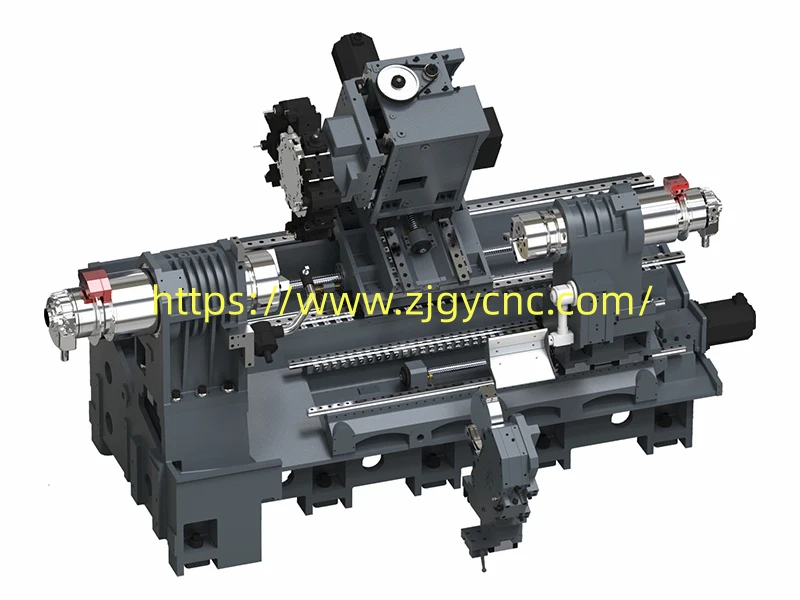
Slant-Bed CNC Lathe selection starts with the components your workshop needs to produce and the processes required to manufacture them. Workpiece dimensions, material types, tolerance requirements, and production volume all influence the machine configuration. By defining these factors before comparing quotations, buyers can discuss their needs clearly with manufacturers and evaluate whether a proposed solution fits their daily operations.
Identify Your Main Production Requirements
Begin with drawings of representative components. Record the maximum diameter, machining length, raw material dimensions, and critical tolerances. These details help establish the required working range and determine whether the equipment can accommodate your regular orders.
Material properties also affect machine selection. Aluminum, stainless steel, carbon steel, and brass may require different cutting parameters, tooling geometries, and coolant arrangements. A workshop producing small fittings in repeated batches may have different priorities from one manufacturing long shafts or varied metal parts.
Consider future production plans as well. If your business expects new component designs or changes in order quantities, discuss the likely range of workpieces with the manufacturer. This can help you choose a configuration that allows reasonable flexibility without paying for unnecessary options.
Check Spindle Performance and Workholding
The spindle specifications should match your materials, stock sizes, and cutting conditions. Review the available speed range, motor power, torque characteristics, and bore dimensions. These figures provide a practical starting point for determining whether the equipment suits your intended applications.
Maximum speed alone does not explain how a machine will perform under different cutting loads. Ask the manufacturer for relevant operating specifications and discuss the materials you process regularly. If your work involves substantial material removal, consider the torque available at the speeds used for those operations.
Workholding deserves similar attention. Confirm chuck dimensions, clamping methods, jaw options, and compatibility with your component designs. Long or slender workpieces may require a tailstock or additional support, depending on their geometry and machining process. Checking these requirements before purchase can reduce setup changes after installation.
Evaluate Tooling and Operation Flexibility
List the operations required for your typical parts, including turning, facing, threading, grooving, boring, and drilling. Then compare those requirements with the proposed turret capacity, tool holder interfaces, and available tool stations.
Some components may also require cross holes, flats, or milled features. Discuss whether live tooling or a separate machining process would be appropriate for these applications. The right choice depends on part geometry, production quantities, and the desired workflow.
Tool access and setup procedures can influence daily productivity. Ask how operators replace inserts, adjust tools, and check dimensions between jobs. If your workshop handles a variety of orders, consider whether the tooling arrangement allows practical changeovers without excessive setup work.
Review Chip Removal and Coolant Management
Chip handling affects housekeeping, coolant condition, tool life, and the consistency of production routines. Chip shape and volume vary with material, cutting parameters, and tool geometry, so buyers should explain their actual machining conditions when discussing equipment options.
Examine the enclosure layout, coolant delivery, collection area, and availability of automatic chip removal. A chip conveyor may be useful for recurring production runs, but its suitability depends on the workshop layout and the type of material being processed.
Coolant capacity and filtration should also be considered. Ask about routine cleaning, fluid replacement, and access to service points. A practical maintenance arrangement helps operators keep the equipment clean and makes regular inspection easier to incorporate into production schedules.
Match the Control System to Your Team
The control interface should suit the programming methods and experience of your operators. Before ordering, check programming compatibility, interface layout, diagnostic functions, and available training support. Familiarity with the system may influence how quickly employees can prepare jobs and resolve routine operating issues.
Automation options deserve a separate review. Bar feeders, robotic loading, automatic doors, and part collection systems may support certain production plans. However, their value depends on component dimensions, batch sizes, available floor space, and the level of operator involvement required.
If the machine will connect with existing production equipment, discuss electrical specifications, communication interfaces, safety arrangements, and installation space in advance. This preparation helps reduce avoidable changes during commissioning.
Calculate Costs Beyond the Purchase Price
A purchasing budget should include more than the initial machine quotation. Tooling, fixtures, shipping, installation, operator training, electricity, maintenance, and replacement components can all contribute to operating expenses.
Ask the manufacturer to identify included accessories and optional items in writing. Confirm warranty coverage, spare parts availability, technical support arrangements, and recommended maintenance intervals. Clear documentation helps both parties understand the agreed configuration and service responsibilities.
For international purchases, verify the destination power supply, packaging, delivery conditions, and required documentation. Buyers should also agree on inspection procedures before shipment, including which machine functions and sample components will be checked.
Prepare Useful Information Before Requesting a Quote
A detailed inquiry helps manufacturers evaluate a project more accurately. Provide representative drawings, material specifications, tolerance requirements, expected production quantities, and any special tooling needs. Where practical, ask whether a sample machining test can be arranged to assess the proposed configuration.
Discuss acceptance criteria before confirming the order. These may cover dimensional inspection, surface finish, machine functions, and the accessories included in the shipment. Written requirements create a shared reference for the buyer and supplier throughout the purchasing process.For manufacturers planning new turning operations or updating existing production lines, zjgycnc provides a starting point for reviewing available equipment and discussing application requirements. Visit https://www.zjgycnc.com/ to review the company website and evaluate options suited to your component designs, workshop layout, and production plans.

