


How Can Caifu Industrial Water Pump Meet Your Flow Needs
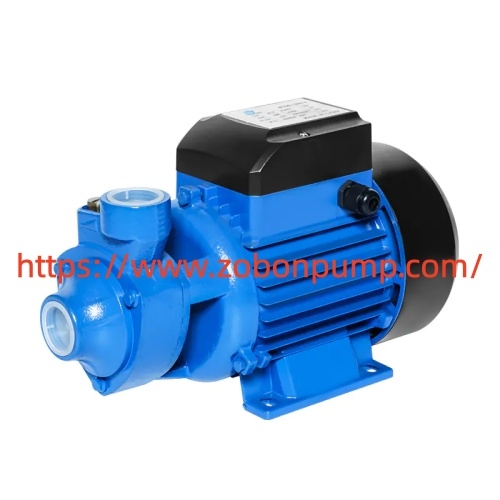
Industrial Water Pump selection requires more than comparing product prices or motor ratings. Every facility has different flow demands, pressure targets, pipeline layouts, and operating schedules. Choosing equipment without evaluating these factors can lead to unnecessary energy consumption, unstable operation, or frequent maintenance. For buyers planning a new installation or upgrading an existing system, understanding the relationship between flow rate and pressure is a practical starting point.
Flow rate refers to the volume of liquid delivered within a specific period. Depending on the application, it may be measured in cubic meters per hour or liters per minute. A manufacturing facility supplying several production lines will have different requirements from a building drainage system or a cooling circuit. Start by identifying the amount of liquid your process needs during normal operation. Consider whether several outlets will operate simultaneously and whether demand changes throughout the day. Seasonal variations and planned production expansion may also affect future requirements. Accurate calculations help narrow the available options before requesting quotations.
Flow rate describes quantity, while head represents the energy available to move liquid through a system. Buyers should calculate total dynamic head rather than considering vertical lifting height alone. Several factors contribute to this calculation, including the vertical distance between the source and discharge point, friction losses along pipes, resistance from elbows and valves, and the pressure required at the destination. For example, a facility transferring liquid to an elevated storage tank may require additional head because of pipeline resistance. Providing accurate layout information allows a manufacturer to assess the operating conditions and recommend a suitable configuration.
A rated capacity does not tell the whole story. The relationship between flow and head is illustrated by a performance curve, which shows how operating conditions change across different delivery rates. Before purchasing, compare the required operating point with the manufacturer's performance data. The selected model should operate within its recommended range under expected conditions. Ask for a performance curve covering the proposed duty point, together with relevant efficiency and motor information. If demand varies considerably, discuss whether speed control or another flow regulation method would suit the application. This evaluation helps clarify expected performance before installation.
Not every application involves clean liquid at room temperature. Some facilities handle liquids containing suspended particles, elevated temperatures, or chemicals that may affect internal components. Material selection should reflect liquid composition, temperature, and the operating environment. Stainless steel, cast iron, and other engineering materials each have different characteristics and suitability considerations. Mechanical seals, impellers, and casing materials also deserve attention. An unsuitable material combination can increase wear, corrosion risk, or maintenance frequency. When discussing a project with a supplier, provide details about the liquid, including its temperature, concentration, and solids content where applicable.
Purchase price is only one part of the overall cost. Electricity consumption, routine servicing, replacement components, and downtime can influence expenses throughout the equipment lifecycle. Motor power should correspond to the required duty rather than being selected with an arbitrary safety margin. Oversizing may increase initial costs and create operating challenges if the system is not properly controlled. Ask about motor efficiency, recommended maintenance intervals, bearing arrangements, seal replacement, and spare part availability. For installations operating many hours each day, differences in energy consumption can affect annual operating expenses. A clear maintenance plan also helps facility managers schedule inspections and identify developing issues before they interrupt production.
Before requesting a quotation, prepare accurate technical information about your project. Include the required flow rate, total head, liquid type, operating temperature, pipe dimensions, installation layout, available power supply, and daily operating hours. Material preferences, testing documentation, delivery schedules, and service arrangements should also be discussed. This information allows manufacturers to assess suitable configurations and clarify missing details. If your project involves unusual operating conditions, request a technical review before confirming the order.
Selecting suitable pumping equipment involves balancing delivery requirements, pressure losses, material compatibility, energy use, and maintenance considerations. Careful preparation makes supplier comparisons more meaningful and reduces the risk of choosing a configuration that does not match actual operating conditions. Caifu provides product options for customers with different industrial application requirements, with selection based on project specifications and installation needs. Before making a purchasing decision, discuss your required flow rate, total head, liquid properties, and operating schedule with the manufacturer. To review available products and submit your project requirements, visit https://www.zobonpump.com/ and contact Caifu about a suitable solution for your facility.

