


Lens Technology for Everyday Vision Requirements
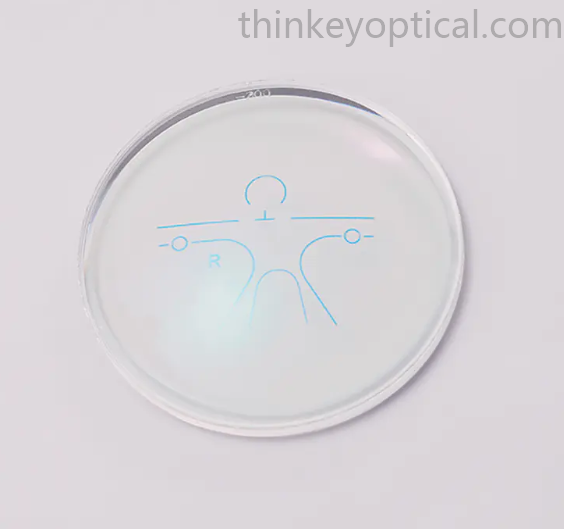
Optical lenses are central to prescription eyewear, influencing visual correction, comfort, appearance, and compatibility with different frames. For manufacturers, retailers, and distributors, Eyeglasses Lens selection involves evaluating optical requirements alongside material properties, processing quality, and the intended customer experience. Understanding these factors helps businesses choose products that align with their market positioning and application needs.
Material choice is one of the first decisions in optical product development. Standard resin lenses are widely used because they support many everyday prescription applications. Polycarbonate is valued for its lightweight structure and impact resistance, making it suitable for selected active-lifestyle and children's eyewear. High-index resin can help reduce lens thickness for certain stronger prescriptions. The most appropriate material depends on prescription strength, frame design, weight preferences, processing requirements, and budget.
Different lens designs address different visual needs. Single-vision lenses provide correction for one primary viewing distance and remain a common choice for everyday eyewear. Progressive lenses incorporate multiple viewing distances into a continuous design, allowing wearers to access near, intermediate, and distance vision without a visible dividing line. Photochromic lenses adjust their tint in response to light exposure, while other specialized designs may address particular occupational or lifestyle requirements. Buyers should confirm the intended application and available design options before finalizing specifications.
Optical precision depends on careful manufacturing. Depending on the lens type, production may include material preparation, forming, surfacing, polishing, edging, coating, and final inspection. Accurate processing helps maintain the required optical power and dimensions, while appropriate surface finishing supports clarity and appearance. Consistent procedures are particularly important for customized prescriptions, where errors in specifications or processing can affect the final result.
Coatings provide additional functionality when selected and applied appropriately. Anti-reflective coatings reduce reflections on lens surfaces and can improve visual comfort in relevant conditions. Hard coatings help improve resistance to everyday scratches, while hydrophobic treatments make water easier to remove. Photochromic technology may be combined with certain coatings, subject to product design and manufacturing compatibility. Buyers should review available combinations and product-care requirements to ensure that the selected configuration suits its intended use.
Quality inspection helps verify that finished lenses meet agreed specifications. Checks may include optical power, dimensional accuracy, surface defects, coating uniformity, and packaging condition. For bulk purchasing, buyers can request samples and define acceptance criteria before mass production. It is also useful to clarify how products are inspected, what documentation is available, and how the supplier handles nonconforming items. These practices support clearer communication and more consistent purchasing outcomes.
Frame compatibility is another practical consideration. Lens diameter, shape, edge thickness, material, and prescription can influence whether a lens is suitable for a particular frame. Some frame designs place greater demands on lens thickness or edging, so buyers should provide accurate frame and prescription information when requesting customized products. Coordination between optical suppliers, laboratories, and eyewear manufacturers can help reduce processing issues and unnecessary material waste.
B2B buyers should also assess a supplier's production capacity, customization options, lead times, and communication standards. Depending on available capabilities, customization may include refractive index, lens diameter, coatings, prescription range, packaging, or private-label services. Written specifications help prevent confusion and provide a reference for repeat orders. For international procurement, businesses should additionally verify relevant documentation and requirements in their target markets.
Selecting suitable Eyeglasses Lens products requires a balance of optical performance, material suitability, manufacturing consistency, and commercial considerations. Thinkey Optical Co.,Ltd. supports optical businesses exploring lens products and sourcing options for different market requirements. For product information and potential business cooperation, visit https://www.thinkeyoptical.com.

