


Traffic Control Services: Managing Traffic Flow in Busy Work Zones
Every road repair, utility upgrade, and construction project shares one challenge: keeping people safe while work happens just a few feet from moving vehicles. A lane closure that is poorly planned can lead to long delays, frustrated drivers, and serious collisions. This is where professional Traffic Control Services make a real difference. By combining careful planning, trained personnel, and the right equipment, these services keep vehicles, pedestrians, and workers moving safely through even the busiest work zones. Whether the job is a short sidewalk repair or a months-long highway expansion, managing traffic flow well protects lives, keeps projects on schedule, and reduces the disruption felt by the surrounding community.
Why Traffic Management Matters in Work Zones
Work zones change the road environment in ways drivers do not always expect. Lanes narrow, speed limits drop, and familiar routes may suddenly shift or close. Without clear guidance, drivers can become confused, brake suddenly, or make risky lane changes. Effective traffic management reduces this risk by giving road users clear, early information about what lies ahead. It also helps maintain a steady flow of vehicles, which limits congestion and the chain reaction of delays that can spread across nearby streets. For contractors, municipalities, and utility companies, a well-managed work zone is not just a safety requirement but a key part of delivering a project responsibly.
Planning a Safe and Efficient Work Zone
Successful traffic control begins long before cones are placed on the road. A traffic control plan outlines how vehicles and pedestrians will move around the work area, where signs will be positioned, and how lanes will be closed or shifted. Planners consider traffic volumes, road speeds, sight lines, nearby intersections, and the timing of peak travel hours. They also account for emergency vehicle access, transit routes, and the needs of local businesses and residents. Experienced providers of Traffic Control Services prepare these plans in line with local regulations and provincial or state guidelines, which helps projects obtain permits faster and avoid costly last-minute changes. A strong plan also includes contingencies for weather, unexpected delays, and changes in the scope of work, so the site can adapt without compromising safety.
The Role of Trained Traffic Control Personnel
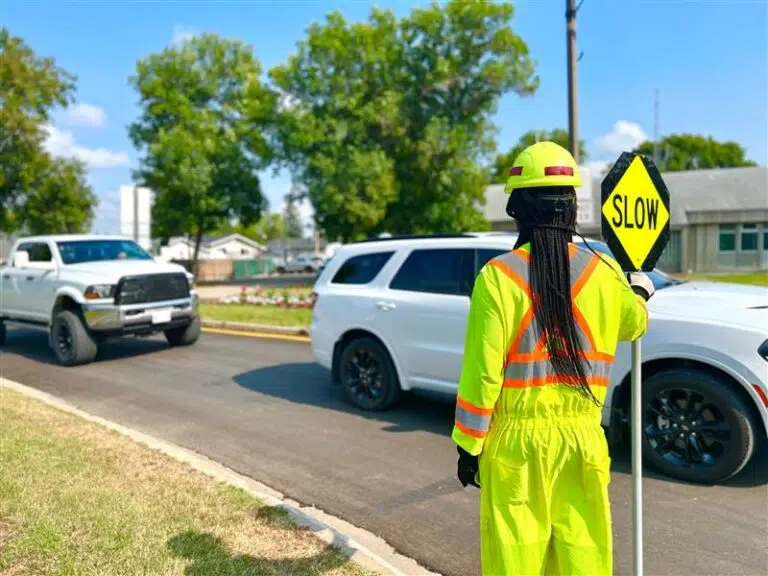
Equipment alone cannot manage a work zone. Trained traffic control persons, often called flaggers, play a central role in directing vehicles and pedestrians safely. They use signs, signals, and clear communication to stop and release traffic, guide drivers through lane shifts, and respond quickly when conditions change. Their presence gives drivers a human point of reference, which often improves compliance more than signs alone. Proper training covers positioning, hand signals, communication with equipment operators, and how to handle aggressive or distracted drivers. Certified personnel also understand when to adjust traffic patterns, such as holding vehicles while heavy machinery crosses the road or allowing an ambulance to pass through the zone without delay.
Equipment That Keeps Traffic Moving
The right equipment communicates instructions to drivers clearly and consistently. Advance warning signs alert motorists well before they reach the work zone, giving them time to slow down and choose the correct lane. Cones, barrels, and barricades define the travel path and separate traffic from workers. Arrow boards and portable message signs provide high-visibility directions, particularly on high-speed roads and during night work. On larger projects, temporary traffic signals and crash attenuator trucks add an extra layer of protection. Reliable Traffic Control Services supply, install, and maintain this equipment throughout the project, checking that signs remain visible, devices stay in position, and the setup continues to match the approved plan as work progresses.
Protecting Pedestrians and Cyclists
Busy work zones affect more than just drivers. Sidewalk closures and lane changes can leave pedestrians and cyclists without a clear, safe route. A thoughtful traffic setup provides temporary walkways, detour signage, and protective barriers that separate people on foot from both construction activity and moving vehicles. Accessibility is an important consideration, so temporary routes should be smooth, well lit, and usable for people with mobility devices or strollers. Paying attention to these road users helps prevent injuries and shows the community that the project respects everyone who shares the road.
Benefits for Contractors and Communities
Professional traffic management delivers value on several levels. For contractors, it reduces the risk of workplace incidents, supports compliance with safety regulations, and helps crews work more efficiently without constant interruptions. For the wider community, it means shorter delays, safer travel, and fewer surprises on daily commutes. Outsourcing Traffic Control Services to a qualified provider also allows project teams to focus on the core work while specialists handle permits, setup, staffing, and ongoing monitoring of the work zone.
Conclusion
Managing traffic flow in busy work zones requires more than placing a few cones on the road. It takes careful planning, trained personnel, dependable equipment, and constant attention to changing conditions. When these elements come together, work zones become safer for crews, clearer for drivers, and more accessible for pedestrians and cyclists. Investing in professional traffic management is one of the most effective ways to protect people, keep projects on track, and maintain the trust of the community.

