


What Is the Difference Between Plastic Surgery and Botox?
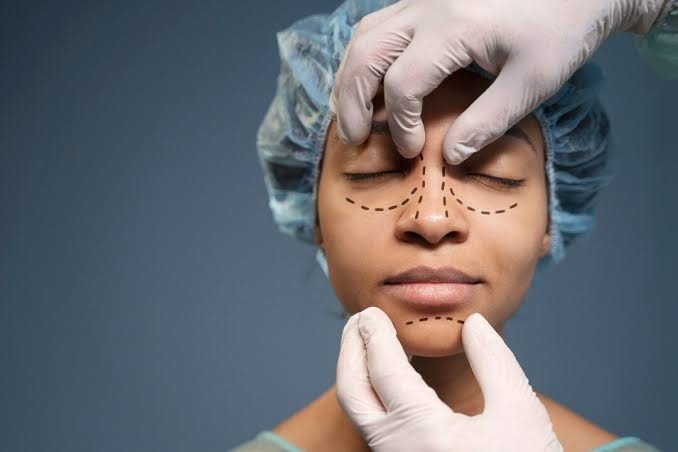
Understanding the difference between surgical and non-surgical aesthetic treatments can help individuals make informed decisions about their appearance. Plastic surgery focuses on reshaping, reconstructing, or improving specific areas of the body, while Botox is a non-surgical treatment commonly used to soften the appearance of dynamic wrinkles. Although both approaches can support aesthetic goals, they involve different procedures, techniques, recovery expectations, and results. For individuals researching Plastic Surgery Dubai, understanding these distinctions can provide a useful starting point for exploring suitable treatment options. Each approach serves a different purpose, depending on personal concerns, facial anatomy, and desired outcomes.
What Is Plastic Surgery?
Plastic surgery is a medical specialty concerned with reconstructing, reshaping, or enhancing different parts of the body. It includes reconstructive procedures that address injuries, congenital differences, or changes caused by medical conditions, as well as cosmetic procedures intended to improve physical appearance.
Cosmetic plastic surgery may focus on facial features, body contours, or areas where a person wants a structural change. Depending on the procedure, treatment may involve removing excess tissue, repositioning underlying structures, or reshaping cartilage and other anatomical features.
Common examples of plastic surgery include rhinoplasty, eyelid surgery, facelift procedures, tummy tuck surgery, breast surgery, and liposuction. Each procedure addresses specific concerns and requires an individual assessment to determine whether it is appropriate.
The primary objective is to achieve a change that suits the individual's anatomy and expectations while prioritising safety, function, and balanced results.
What Is Botox?
Botox is an injectable treatment that uses a purified form of botulinum toxin type A to temporarily reduce muscle activity. It is widely known for addressing dynamic wrinkles, which develop through repeated facial movements such as smiling, frowning, or raising the eyebrows.
When administered into selected muscles, Botox temporarily limits the nerve signals responsible for muscle contraction. This allows the overlying skin to appear smoother while preserving a natural-looking facial expression when treatment is appropriately planned.
Common aesthetic uses of Botox include softening forehead lines, reducing frown lines between the eyebrows, and improving the appearance of crow's feet around the eyes. Certain other applications may be considered following an appropriate clinical assessment.
Unlike surgery, Botox does not involve incisions or the physical removal of tissue. The treatment is generally performed during a short appointment, although the exact duration depends on the areas being treated and the individual's needs.
How Does Plastic Surgery Work?
Plastic surgery involves a structured medical process that begins with an assessment of the individual's concerns, medical history, anatomy, and expectations. The treatment plan depends on the specific procedure and the changes being considered.
Surgical procedures generally involve several stages, including consultation, preoperative assessment, the operation itself, and a planned recovery period. Anaesthesia may be required, depending on the complexity and nature of the surgery.
During the procedure, the surgeon makes carefully planned changes to the relevant tissues or anatomical structures. For example, rhinoplasty may reshape the nose, while eyelid surgery may address excess skin around the eyes. Body contouring procedures can focus on reshaping selected areas of the abdomen or other parts of the body.
Recovery varies according to the procedure, the extent of the changes, and individual healing patterns. Some people return to routine activities relatively quickly, while more extensive operations require a longer period of recovery and follow-up appointments.
The overall goal is to achieve a planned structural change that aligns with the individual's needs and realistic expectations.
How Does Botox Treatment Work?
Botox treatment follows a different process because it does not require surgical alteration of the body's structures. The process usually begins with an assessment of facial movements, muscle activity, skin concerns, and treatment goals.
Once the appropriate areas have been identified, a qualified medical professional administers small injections into selected muscles. The number and placement of injections depend on the individual's facial anatomy and the intended outcome.
Treatment usually takes a relatively short time, and most individuals can resume many ordinary activities soon afterwards, following the professional's instructions. Results do not appear immediately because the injected substance needs time to affect muscle activity.
Visible improvements commonly begin within several days, with the full effect generally developing over approximately one to two weeks. The results are temporary, often lasting around three to four months, although the duration varies between individuals and treatment areas.
Because Botox changes muscle activity rather than underlying anatomy, it is most suitable for concerns involving dynamic facial lines rather than substantial structural changes.
What Are the Main Differences Between Plastic Surgery and Botox?
Plastic surgery and Botox differ in their purpose, treatment method, and expected outcomes. Understanding these distinctions helps individuals recognise which approach may address their particular concerns.
Plastic surgery involves procedures that physically reshape or reconstruct tissues. Botox temporarily reduces activity in targeted muscles to soften certain facial lines.
Surgery may be appropriate when a person wants to change a structural feature, such as the shape of the nose, the position of the eyelids, or the contour of the abdomen. Botox may be suitable when the primary concern involves expression-related wrinkles that become visible during facial movement.
The duration of results also differs. Many surgical changes can be long-lasting, although ageing and other natural changes continue over time. Botox requires repeat treatments to maintain its effects.
Recovery expectations are another important distinction. Surgery typically involves a planned healing period, whereas Botox generally requires less interruption to everyday routines.
Neither approach is universally better. The suitability of each treatment depends on the concern being addressed, the individual's health, and the outcome they hope to achieve.
What Are the Benefits of Plastic Surgery?
Plastic surgery can offer several potential benefits when a procedure is appropriately selected and performed by a qualified professional.
One important benefit is the ability to address structural concerns that cannot be corrected through injectable treatments alone. Procedures may reshape specific features, remove excess tissue, or reconstruct areas affected by injury or medical conditions.
Plastic surgery may also help improve physical proportions and create greater harmony between different features. For example, selected facial procedures can alter the relationship between facial structures, while body contouring surgery can address specific concerns about body shape.
For some individuals, achieving a desired physical change can support confidence and comfort with their appearance. However, results depend on individual anatomy, healing, and realistic expectations.
A thorough consultation helps establish whether surgery is suitable and explains the likely outcome, limitations, recovery requirements, and potential risks.
What Are the Benefits of Botox?
Botox offers a non-surgical approach to addressing certain facial wrinkles and muscle-related aesthetic concerns. Its main benefits relate to the temporary reduction of targeted muscle activity without incisions or major structural changes.
The treatment is generally brief and can be incorporated into a person's routine with relatively little downtime. It can soften expression lines while allowing natural facial movement when the dose and injection locations are appropriately selected.
Another benefit is that treatment can be tailored to individual concerns. Some people seek improvement in forehead lines, while others focus on frown lines or wrinkles around the eyes.
Botox is temporary, which means its effects gradually wear off as muscle activity returns. This may appeal to individuals who prefer a treatment that does not permanently alter their facial structure.
Nevertheless, suitable candidates require an assessment by a qualified medical professional, and expectations should reflect what the treatment can realistically achieve.
How Can Someone Choose the Right Treatment?
Choosing between plastic surgery and Botox begins with identifying the specific concern rather than selecting a treatment based on popularity.
Individuals concerned about dynamic wrinkles may benefit from discussing Botox with a qualified practitioner. Those seeking a substantial change in facial shape, body contour, or tissue position may need an assessment for a suitable surgical procedure.
Several factors can guide this decision, including the desired result, general health, medical history, tolerance for recovery time, and willingness to maintain temporary results through repeat treatment.
A professional consultation should explain the available options, expected outcomes, limitations, and relevant risks. It should also establish whether the individual's expectations are realistic and whether another approach may be more appropriate.
The most suitable choice is one that addresses the actual concern while respecting the person's anatomy, health, and long-term preferences.
Frequently Asked Questions
Can Botox Replace Plastic Surgery?
Botox cannot replace every type of plastic surgery because the treatments address different concerns. It may soften expression lines, but it cannot reshape the nose, remove substantial excess skin, or produce the structural changes associated with surgery.
Does Plastic Surgery Provide Permanent Results?
Many plastic surgery procedures produce long-lasting structural changes, but results are not necessarily permanent. Natural ageing, changes in body weight, and other individual factors can influence the appearance over time.
How Long Does Botox Take to Work?
Botox usually begins showing visible effects within several days. The full result commonly develops within approximately one to two weeks, depending on the treatment area and individual response.
Is Botox Suitable for Every Type of Wrinkle?
Botox is most effective for wrinkles associated with repeated muscle movements. Lines that remain visible when the face is relaxed, as well as wrinkles caused primarily by skin changes or volume loss, may require a different approach following professional assessment.
Does Plastic Surgery Require More Recovery Time Than Botox?
Surgical procedures generally require more recovery time because the body needs to heal after tissue alteration. Botox usually involves minimal downtime, although individual instructions and temporary restrictions may apply.
Can Plastic Surgery and Botox Be Used Together?
In selected cases, a qualified medical professional may recommend both approaches as part of an individualised treatment plan. Their suitability depends on the procedures involved, the person's health, and the desired outcome. Combining treatments is not necessary or appropriate for everyone.
Conclusion
Plastic surgery and Botox serve different purposes within aesthetic medicine, offering distinct ways to address appearance-related concerns. Plastic surgery focuses on structural reshaping, reconstruction, and changes to body or facial features, while Botox temporarily reduces targeted muscle activity to soften dynamic wrinkles. Understanding the treatment process, potential benefits, expected results, and recovery requirements allows individuals to approach aesthetic decisions with greater confidence. For readers exploring Plastic Surgery Dubai, the most important step is to identify their specific goals and seek a professional assessment before deciding which treatment may be suitable. An informed, personalised approach supports realistic expectations and helps ensure that any aesthetic decision prioritises health, safety, and natural-looking results.

