


Can a Hair Transplant Improve a Receding Crown?
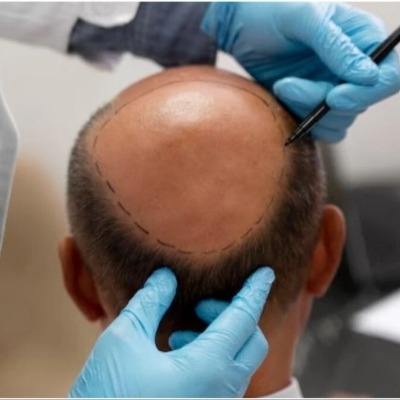
Hair loss around the crown can be frustrating because thinning in this area often develops gradually. At first, the scalp may become visible under bright lighting, and over time, the thinning patch may become more noticeable when the hair is wet or styled. For people experiencing these changes, understanding modern hair restoration options can help them make informed decisions about their appearance.
A hair transplant may help improve coverage in selected areas of the scalp when the person has suitable donor hair and a well-planned treatment approach. Anyone researching hair transplant in islamabad should understand that crown restoration requires careful planning because hair grows in a circular pattern and the available donor follicles are limited.
At enfield royal clinic in islamabad, individuals can discuss their hair loss concerns and explore potential treatment options with dr adnan bashir. An individual assessment can help establish whether a transplant is suitable and what kind of improvement may be realistic.
Why Does Crown Hair Loss Develop?
The crown is the upper-back area of the scalp. Hair loss in this region commonly occurs because of hereditary pattern baldness, although other conditions may also contribute to thinning. The process can begin with reduced hair thickness before a clearly visible bald patch develops.
As hair becomes finer, the scalp may show through more easily. Some people notice this when looking at photographs taken from above, while others become aware of the change during everyday grooming.
Before considering hair transplant in islamabad, it is important to identify the likely cause of hair loss. A qualified professional can assess the scalp and determine whether further evaluation or medical treatment may be needed before transplantation.
How Can FUE Address Crown Thinning?
Follicular Unit Extraction, commonly known as FUE, involves removing individual follicular units from a donor area and placing them into selected areas affected by hair loss. For crown restoration, graft placement must account for the natural direction and circular arrangement of the existing hair.
The purpose is to create coverage that blends with the surrounding hair rather than producing an artificial-looking pattern. The number of grafts required depends on the size of the thinning area, the characteristics of the existing hair, and the amount of suitable donor hair available.
People considering hair transplant in islamabad should know that crown restoration can require careful use of donor follicles. A large thinning area may not be completely covered in one procedure, and the achievable density varies between individuals.
At enfield royal clinic in islamabad, patients can discuss their concerns with dr adnan bashir and learn how donor availability and crown characteristics may influence an individualized treatment plan.
Why Is Crown Restoration Different From Hairline Restoration?
The crown and frontal hairline have different growth patterns. The frontal hairline requires attention to its shape, softness, and transition into the forehead. The crown, however, often features a whorl in which hair grows in different directions around a central point.
Because of this pattern, the placement of each graft matters. If the direction and angle are not planned carefully, the transplanted hair may not blend naturally with the surrounding hair.
Crown restoration also requires consideration of future hair loss. A person may have thinning in the crown today but develop additional thinning elsewhere over time. Planning should account for these possibilities rather than focusing exclusively on the area currently visible.
When researching hair transplant in islamabad, patients should ask how crown growth patterns, graft distribution, and long-term hair loss will be considered. A consultation at enfield royal clinic in islamabad with dr adnan bashir can help clarify the factors that may affect the treatment approach.
What Should Patients Expect After Treatment?
Following an FUE procedure, the scalp may experience temporary redness, swelling, small scabs, or tenderness. Patients should follow their clinical team's instructions for washing the scalp, protecting the grafts, and returning to regular activities.
The transplanted hairs commonly shed during the early weeks after treatment. This temporary shedding can be part of the normal hair growth cycle. New growth generally develops gradually over the following months, and the final appearance may take around 9–12 months or longer to assess.
Results are not identical for everyone. Hair growth depends on factors such as follicle characteristics, scalp health, healing, and adherence to aftercare instructions. A transplant also does not prevent untreated native hair from continuing to thin.
Anyone considering hair transplant in islamabad should discuss the recovery process and follow-up arrangements before deciding to proceed. At enfield royal clinic in islamabad, patients can ask dr adnan bashir about expected healing stages and the importance of ongoing monitoring.
How Can Patients Protect Their Long-Term Results?
Long-term planning begins before the procedure. Patients should understand their current hair loss pattern, the condition of their donor area, and the possibility that additional thinning may develop. Depending on the cause of hair loss, a healthcare professional may discuss medical treatments or other supportive options.
Maintaining scalp health and attending follow-up appointments can also help patients monitor their progress. However, no treatment can guarantee that existing hair will remain unchanged or that every transplanted follicle will grow as expected.
For people exploring hair transplant in islamabad, realistic expectations are essential. A well-planned procedure aims to improve the appearance of thinning while making sensible use of the available donor hair.
Is Crown Hair Transplant the Right Choice?
FUE may be worth considering for people who have crown thinning, suitable donor hair, and realistic expectations about coverage. The best approach depends on the individual's hair loss pattern, medical history, scalp condition, and long-term goals.
Before making a decision, patients should ask about the proposed graft number, possible risks, expected recovery, and alternative treatments. They should also understand that complete coverage may not be achievable in every case.

