


Cooking Skills for People with Disability: Build Safety and Confidence
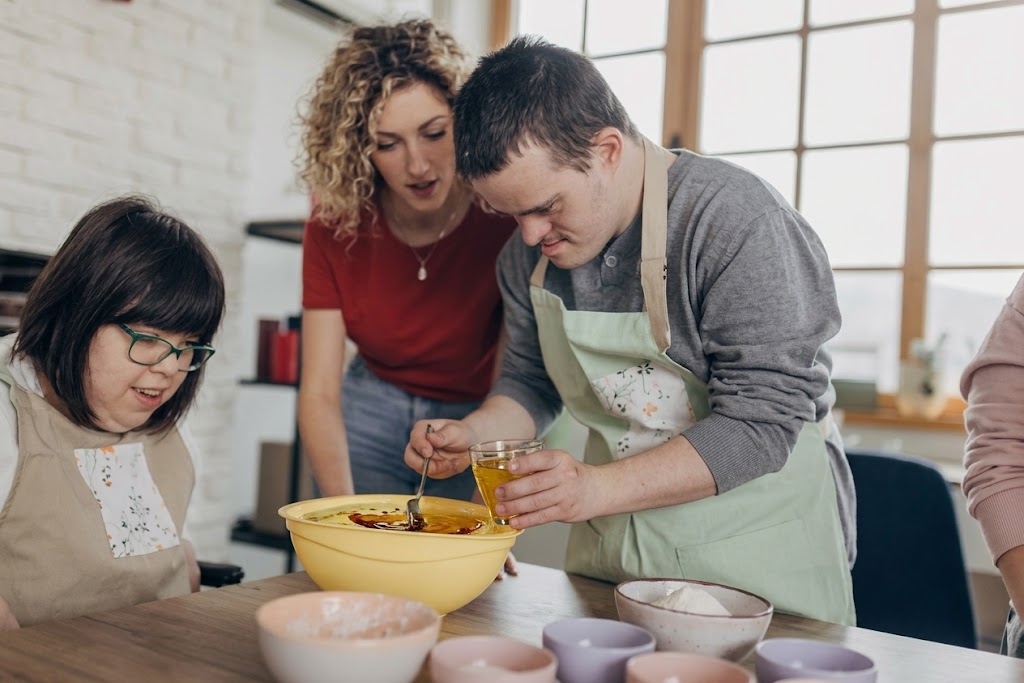
Cooking skills help people with disability live more independently, eat well, and feel proud of what they achieve. Every person learns at their own pace, and the right tools and support make each step easier. A kitchen also connects to the wider home and community. For example, NDIS Cleaning Gold Coast services support a tidy, safe kitchen, and NDIS Day Tours Gold Coast outings give participants real shopping and community practice.
Why Cooking Skills Matter
Independence and Daily Living
Participants learn to prepare simple meals without help. They also make food choices that suit their own needs.
Confidence and Self-Belief
A finished dish creates a clear sense of achievement. Each success encourages participants to try something new.
Health and Wellbeing
Healthy meals and safe food handling support long-term wellbeing.
Social Connection and Community Participation
Cooking with others builds teamwork, communication, and friendships.
Essential Cooking Skills to Learn First
Kitchen Safety and Hygiene
Start with hand washing, clean surfaces, and correct food storage. Then practise safe knife, hob, and oven use. These habits form the base of kitchen safety for beginners.
Reading and Following a Recipe
Picture recipes and step-by-step cards make instructions simple. Check the ingredients and tools before you begin.
Measuring and Preparing Ingredients
Use cups, spoons, and scales to measure. Then wash, peel, chop, and mix the ingredients.
Cooking and Heat Safety
Learn to use the hob, oven, microwave, and kettle. Always check that food is cooked and safe to eat.
Meal Planning and Shopping
Plan a simple menu, write a shopping list, and read food labels. Add basic budgeting to build confidence at the shops.
Cleaning Up and Organising
Wash up, wipe surfaces, and put items away. A tidy kitchen keeps everyone safe and makes the next meal easier.
How to Learn Cooking Skills Step by Step
Start Simple
Begin with no-cook or low-heat recipes, such as sandwiches and salads. Simple wins build momentum.
Practise One Skill at a Time
Repeat each task until it feels comfortable. Short, regular practice works better than long, tiring sessions.
Use Visual and Written Supports
Picture cards, checklists, and colour-coded tools help participants stay on track.
Build Up Slowly
Move on to stove-top dishes, baking, and full meals as skills grow.
A Simple Skill Pathway
- Level 1: safety and no-cook recipes
- Level 2: simple cooking with supervision
- Level 3: planning and cooking a full meal
Adaptive Equipment and Cooking Tips
Good tools remove barriers. Small changes make a big difference.
Adaptive Kitchen Tools
- Easy-grip utensils
- Non-slip mats
- One-handed cutting boards
- Talking scales and large-print recipe cards
Tips for Limited Mobility or Hand Strength
Use a seated work station, lightweight pots, and jar openers. These changes reduce strain and improve safety.
Tips for Vision or Sensory Needs
Use high-contrast boards, tactile markers, and large-print labels. Choose quiet spaces and flexible routines for people who feel overwhelmed by noise or smells.
Tips for Memory or Learning Needs
Break each recipe into short steps. Use timers and picture sequences to guide the process.
Build Cooking Skills Beyond the Kitchen
Cooking skills grow faster when participants practise them in real life. Participants can plan a meal, shop for the ingredients, cook the dish, and clean up afterwards. NDIS Cleaning Gold Coast supports can help keep the home kitchen safe and tidy, so participants feel ready to cook. NDIS Day Tours Gold Coast outings add another layer, because participants visit markets and shops, compare products, and practise choosing ingredients in the community.
How Carers and Support Workers Can Help
Set Clear Goals Together
Choose one skill and one recipe at a time. Small goals keep progress steady.
Give Support Without Taking Over
Offer prompts first, then step back. This helps participants build real independence.
Celebrate Progress
Praise effort and small wins. Positive feedback builds motivation.
Know When to Ask for Professional Help
Occupational therapists and supported cooking programs can give expert advice for individual needs.
Cooking Skills and the NDIS
Many participants use their NDIS plan to build cooking skills. Funding often falls under capacity building or community participation supports, but every plan is different. Talk to your support coordinator or plan manager to check your goals and budget. Ask how NDIS Cleaning Gold Coast and NDIS Day Tours Gold Coast supports can work alongside a cooking program, so every part of daily life supports your goals.
NDIS Goals Cooking Skills Support
- Independence and daily living skills
- Social and community participation
- Confidence and decision-making
- Preparation for work or supported living
Why Choose Care & Culinary?
At Care & Culinary, we run supportive, person-centred cooking and baking programs. We adapt each session to the participant, and we focus on safety, respect, and real progress. Our team welcomes questions from participants, families, and carers, and we explain every step so you feel informed and comfortable.
Frequently Asked Questions
Which cooking skills should I learn first?
Start with kitchen safety and hygiene. Then move to following simple recipes, measuring, and no-cook meals.
How can people with disability cook safely?
Use adaptive tools, clear routines, and supervision when needed. Learn one heat-related task at a time.
Which adaptive tools help in the kitchen?
Easy-grip utensils, non-slip mats, one-handed cutting boards, and talking scales help many participants.
Can the NDIS fund cooking skills programs?
Often, yes. Funding depends on your plan’s goals and budget. Check with your support coordinator or plan manager.
How can carers and support workers teach cooking?
Set one clear goal, give prompts before help, and celebrate small wins. Ask an occupational therapist for extra advice if needed.
Start Building Cooking Skills Today
Cooking skills build independence, friendships, and confidence in everyday life. Reach out to our team today to ask questions or book a trial session.

