


ACSR Conductor: A Reliable Solution for Strong and Efficient Overhead Power Transmission
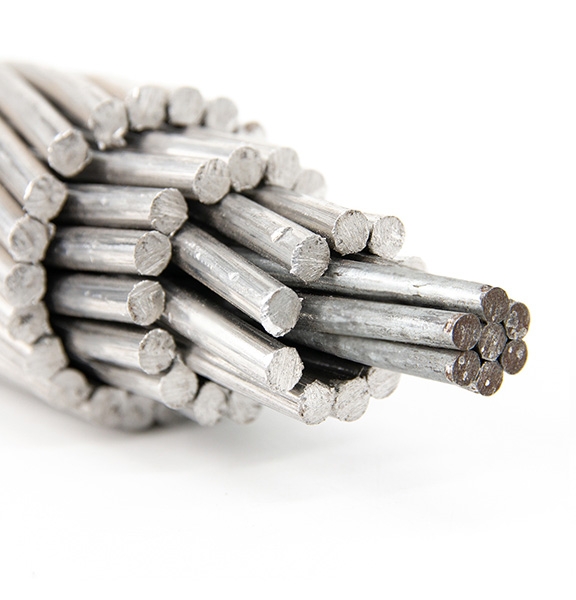
Reliable electricity transmission is essential for modern infrastructure, industrial development, and growing communities. An ACSR conductor is a practical solution for overhead power transmission systems that require a combination of mechanical strength, electrical conductivity, and long-term reliability. Designed with aluminum strands surrounding a steel core, this conductor supports efficient power delivery across different distances and operating environments. HBNfpower provides conductor solutions designed to meet the evolving needs of power utilities, infrastructure developers, and electrical engineering projects.
What Is an ACSR Conductor?
ACSR stands for Aluminum Conductor Steel Reinforced. It is an overhead electrical conductor constructed from aluminum strands and a central steel core. The aluminum provides electrical conductivity, while the steel core contributes mechanical strength and helps the conductor withstand tensile loads.
This combination makes ACSR suitable for transmission and distribution networks where conductors must support their own weight, handle wind loads, and maintain dependable performance over long spans. Its established design and versatile configurations have made it a widely used option for overhead power lines.
Key Benefits of ACSR Conductors
Excellent Mechanical Strength
One of the primary advantages of an ACSR conductor is its reinforced construction. The steel core improves tensile strength, making the conductor suitable for installations involving long spans, demanding support conditions, and exposure to environmental forces. This strength helps engineers design overhead networks that meet specific structural requirements.
Efficient Electrical Conductivity
Aluminum strands carry electrical current efficiently while keeping conductor weight relatively low compared with many alternative conductive materials. The combination of aluminum and steel helps balance electrical performance with the mechanical demands of overhead installations.
Durability in Outdoor Environments
Overhead power lines are exposed to changing temperatures, wind, rain, and other environmental conditions. Properly selected ACSR conductors can provide dependable service when designed, installed, and maintained according to project requirements. Choosing appropriate materials and specifications is important for achieving long-term performance.
Flexible Applications
ACSR conductors are available in different sizes, strand configurations, and electrical capacities. This flexibility allows engineers and procurement teams to select products according to voltage levels, current requirements, installation spans, and local engineering standards.
Applications of ACSR Conductors in Power Networks
ACSR conductors serve a variety of applications throughout electrical infrastructure. They are commonly used in overhead transmission lines that transport electricity between generating stations, substations, and distribution networks.
Utility companies also use them in distribution systems that deliver electricity to residential neighborhoods, commercial facilities, and industrial sites. Their mechanical properties make them suitable for projects involving extended spans and challenging installation conditions.
Additionally, ACSR conductors can support rural electrification, infrastructure expansion, and power network upgrades. Selecting the appropriate conductor requires consideration of electrical loading, environmental conditions, tower spacing, and applicable technical standards.
Choosing the Right ACSR Conductor
Selecting an appropriate ACSR conductor begins with understanding the specific demands of a project. Engineers should evaluate the required current-carrying capacity, operating temperature, mechanical tension, span length, and expected environmental loads.
Conductor dimensions and strand arrangements should also match the project's technical specifications. Compliance with relevant standards, manufacturing consistency, and quality inspection procedures are important considerations when comparing suppliers.
Working with an experienced manufacturer can simplify the selection process. Clear technical documentation and product specifications help procurement teams assess whether a conductor meets the requirements of a particular transmission or distribution project.
Why Choose HBNfpower?
HBNfpower focuses on providing conductor solutions for power transmission and distribution applications. By emphasizing product suitability, manufacturing quality, and practical technical support, the company helps customers identify options that align with their infrastructure requirements.
Whether planning a new overhead power line or upgrading an existing electrical network, project teams benefit from selecting conductors that balance conductivity, mechanical strength, durability, and cost considerations. HBNfpower offers a starting point for businesses seeking dependable conductor products for demanding power infrastructure projects.
Conclusion
An ACSR conductor offers a balanced combination of electrical conductivity, tensile strength, and versatility for overhead power transmission and distribution. Its reinforced construction makes it a valuable option for utilities, contractors, and infrastructure developers seeking reliable conductor solutions.
With careful specification, appropriate installation, and routine maintenance, ACSR conductors can support the dependable operation of electrical networks. Explore HBNfpower's conductor solutions to identify products suited to your project's technical requirements and long-term power delivery goals.

