


Warranty Coverage on Genuine Kobelco Crane Components: A Practical Review
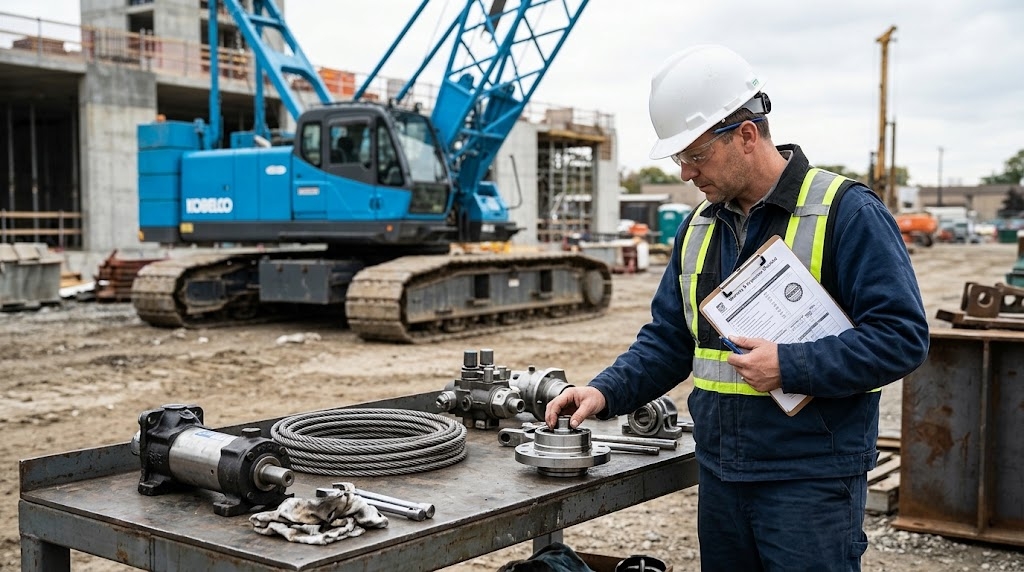
Crane downtime creates immediate cost pressure. Buyers often focus on price and lead time when sourcing replacement components. The warranty clause in a supplier agreement can decide who pays when a new part fails early.
A manufacturer-backed warranty on genuine Kobelco parts represents a defined commitment. The maker promises to stand behind the component for a set period. That promise holds only when buyers understand covered defects, excluded damage, and required upkeep.
This guide explains how warranty protection operates on authentic crane components. A crane parts supplier can clarify terms that seem ambiguous in the contract. It also covers what to confirm before ordering and how routine habits preserve claim eligibility.
What genuine part warranties typically cover
Manufacturer warranties on authentic components address defects in materials and workmanship. If a part fails because production or material quality was poor, remedy costs fall to the supplier or maker. Protection generally covers structural and functional integrity during normal operation. A hydraulic pump seizing from a casting flaw is a typical covered case.
Claim decisions focus on root cause rather than visible damage. A wire rope with a production defect or a control valve leaking from a factory seal issue usually qualifies. The key question is whether the failure traces to manufacturing methods. When production caused the problem, the claim sits within scope.
Labor coverage differs by component and supplier. Some agreements include installation in the claim; others cover the component only. For Kobelco parts, ask whether labor is bundled before you sign. Clarify that distinction in writing before a failure occurs.
What warranties don't cover
This is where most disputes start. Warranties cover manufacturing defects, not damage from misuse, poor installation, lack of maintenance, or normal wear. If a hoist motor burns out because the operator ran it past duty cycle limits, that's not a defect. If a slewing bearing fails because lubrication intervals were skipped, the warranty won't pay.
If a hydraulic cylinder leaks because someone used the wrong fluid spec, you're on your own. The same applies to damage from accidents, dropped loads, contamination in the hydraulic system, or environmental exposure the part wasn't rated for. A crane parts supplier will review the operating record during a claim. That record often decides whether the claim proceeds.
Wear items are also typically excluded. Friction plates, brake liners, filters, seals, and hoses fall under maintenance, not warranty. Some suppliers offer shorter, separate coverage on these items. Others exclude them outright. Read the exclusion list before assuming everything on the crane is protected.
Warranty periods you can expect
Warranty length varies by part category. Major structural components like booms and chassis frames often carry longer coverage, sometimes 12 to 24 months from installation. Hydraulic components usually fall in the 6 to 12 month range. Electronic controllers and sensors may have shorter windows, around 6 months, because they're sensitive to installation and operating conditions.
Some components also carry hour-based limits in addition to calendar time. A pump might be covered for 12 months or 2,000 operating hours, whichever comes first. This matters on high-utilization sites where a part can rack up 2,000 hours in less than a year. Ask your crane parts supplier for the exact terms in writing.
Standard warranty means different things to different suppliers. You need the actual months, hours, and start trigger: date of shipment, date of installation, or date of first use. For Kobelco parts, confirm which trigger applies to your order. That detail can change the coverage window substantially.
How to keep your warranty valid
Most warranty disputes aren't about whether the part was defective. They're about whether the customer met the conditions attached to the warranty. Small paperwork gaps give the supplier a clean reason to deny the claim. A crane parts supplier will ask for proof that maintenance followed the published schedule.
Keep these things in order:
-
Save the original purchase order, invoice, and delivery documents.
-
Record the serial number and batch code of every part installed.
-
Log installation date, installing technician, and hour meter reading at install.
-
Follow the published maintenance schedule for that part.
-
Use only fluids, filters, and consumables that meet specifications.
-
Keep service records, lubrication logs, and inspection reports on file.
If a part fails and you can't prove the maintenance was done to spec, the claim usually dies on the table. For Kobelco parts, missing records often matter more than the failure itself. Suppliers aren't being difficult; the manufacturer requires documentation before approving a replacement. Treat maintenance records like insurance papers.
Filing a claim — what the process looks like
When a part fails and you believe it's covered, contact your supplier as soon as possible. Most agreements require notification within a set window, often 7 to 14 days from failure. Wait too long and you may lose the right to claim at all.
Be ready to provide the part number, serial number, installation date, operating hours at failure, and a description of the failure. Photos of the failed part and the surrounding assembly help. A crane parts supplier may also ask for a fluid sample if contamination is suspected.
In many cases the supplier will request the failed part back for inspection. Don't throw it out and don't disassemble it further to investigate yourself. Let the supplier or manufacturer do the teardown. Self-disassembly is one of the most common reasons claims get denied.
After inspection, the manufacturer issues a report. If the report cites misuse, installation error, or wear, the claim is denied. You'll usually get a quote for a replacement at standard pricing.
Genuine vs aftermarket — the warranty gap
Aftermarket parts often come with warranties that look comparable on paper. The differences show up at claim time. Genuine components carry a manufacturer-backed warranty, which means engineers have reviewed the failure and decided the part was defective. The replacement is a new genuine part, not a rebuilt or aftermarket equivalent.
Aftermarket warranties are typically backed by the parts manufacturer or the seller itself. The approval process can be slower, the inspection less rigorous, and the replacement part not always identical in spec. For high-value or safety-critical components, that gap matters. A boom section, a load hook, or a primary hydraulic pump isn't where you want ambiguity at claim time.
This isn't to say aftermarket parts are never the right call. They have their place on non-critical systems and older machines. But understand what you're trading. You're giving up a manufacturer-backed warranty for a supplier-backed one, and that's a real difference when something fails.
A practical takeaway
Warranty coverage is straightforward once you read the fine print. Defects in materials and workmanship are covered. Damage from misuse, wear, and poor maintenance is not. Coverage windows vary by part type and often include hour limits.
Before you buy, ask for the exact warranty terms in writing. Before the part fails, make sure your maintenance records, installation logs, and operating procedures are solid. Do those two things and the warranty will work the way it's supposed to when you need it.

