


Stainless Laser Welding: Precision Solutions for Modern Metal Fabrication
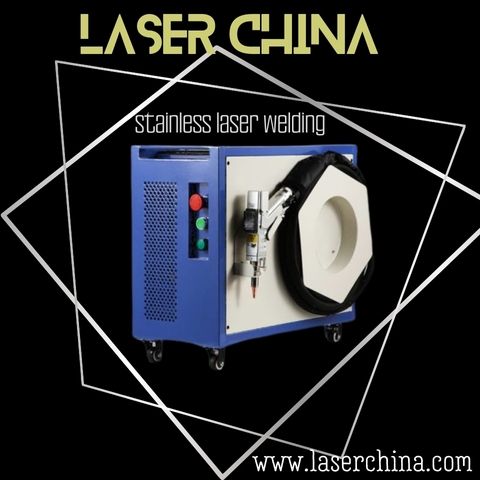
Stainless laser welding is a modern metal joining process that uses a concentrated laser beam to create strong, precise welds in stainless steel components. This technology is widely used in industrial manufacturing, automotive production, kitchen equipment fabrication, medical instruments, and metal processing. Its ability to produce clean welds with controlled heat input makes it a valuable solution for businesses seeking consistent quality and efficient production.
How Does Stainless Steel Laser Welding Work?
The process uses a high-energy laser beam focused on the joint between two stainless steel pieces. The concentrated energy melts the metal along the joint, allowing the materials to fuse as the molten area cools and solidifies. Depending on the application, manufacturers can use handheld laser welding equipment or automated systems integrated into production lines.
Proper adjustment of laser power, welding speed, focus position, and shielding gas helps achieve reliable results. These parameters must be selected according to the stainless steel grade, material thickness, joint design, and required weld quality.
Applications Across Different Industries
stainless laser welding is valued for its corrosion resistance, durability, and attractive surface finish. Laser welding supports its use in numerous industrial applications.
-
Automotive manufacturing: Joining stainless steel brackets, exhaust components, and precision metal parts.
-
Food processing equipment: Fabricating tanks, pipelines, work surfaces, and hygienic equipment.
-
Medical equipment: Manufacturing stainless steel instruments and precision components where controlled weld quality is essential.
-
Kitchenware production: Joining sinks, cookware, cabinets, and decorative stainless steel products.
-
Industrial machinery: Fabricating enclosures, machine components, and specialized metal assemblies.
The appropriate welding method depends on the component's design, operating environment, and production requirements.
Choosing the Right Laser Welding Machine
Selecting suitable equipment is an important step toward achieving dependable welding results. Manufacturers should evaluate the thickness and grade of stainless steel they process, their daily production volume, and the complexity of their welding tasks.
Laser power is an important consideration because different material thicknesses require different energy levels. A handheld system may suit workshops handling varied projects, while an automated solution may be more appropriate for high-volume manufacturing.
Buyers should also examine the machine's control system, cooling method, available welding modes, maintenance requirements, and technical support. Comparing these factors helps businesses choose equipment that matches their production goals and budget.
Improving Weld Quality and Production Efficiency
Consistent results depend on more than the welding machine itself. Before welding, operators should clean the metal surfaces and prepare the joint properly. Oil, dirt, oxidation, and other contaminants can affect weld appearance and quality.
Correctly configured laser parameters help control penetration, reduce unwanted heat effects, and achieve a uniform weld profile. Operators should test settings on sample materials before starting full production, particularly when working with thin stainless steel sheets.
Regular equipment maintenance is equally important. Keeping optical components clean, monitoring the cooling system, and following manufacturer recommendations can help maintain stable performance over time.
Safety Considerations for Laser Welding
Industrial laser welding requires appropriate safety procedures. High-powered laser beams can cause serious eye and skin injuries, while welding fumes and hot metal create additional hazards.
Workplaces should use suitable laser-rated protective enclosures or controlled welding areas, wavelength-appropriate eye protection, effective fume extraction, and the personal protective equipment specified by the machine manufacturer. Operators should receive proper training and follow applicable laser safety standards. Ordinary welding goggles alone may not provide adequate protection against direct or reflected laser radiation.
Why Businesses Are Investing in Laser Welding
As manufacturing requirements become more demanding, companies are exploring technologies that improve precision and production consistency. Stainless laser welding offers a practical approach for joining stainless steel parts in applications where weld appearance, dimensional accuracy, and controlled heat input matter.
For fabrication workshops and industrial manufacturers, investing in suitable laser welding equipment can support product development, expand manufacturing capabilities, and help meet changing customer expectations. Careful equipment selection and operator training remain essential to achieving these results.
Final Thoughts
Stainless laser welding has become an important technology for modern stainless steel fabrication, supporting applications ranging from delicate components to industrial assemblies. By understanding the welding process, selecting appropriate equipment, optimizing operating parameters, and maintaining strict safety practices, businesses can achieve consistent results and improve their production capabilities. Choosing a system that matches actual manufacturing needs is the foundation of a successful long-term investment.

