


Is Breast Reduction Surgery Right for You? A Complete Guide for Islamabad Patients
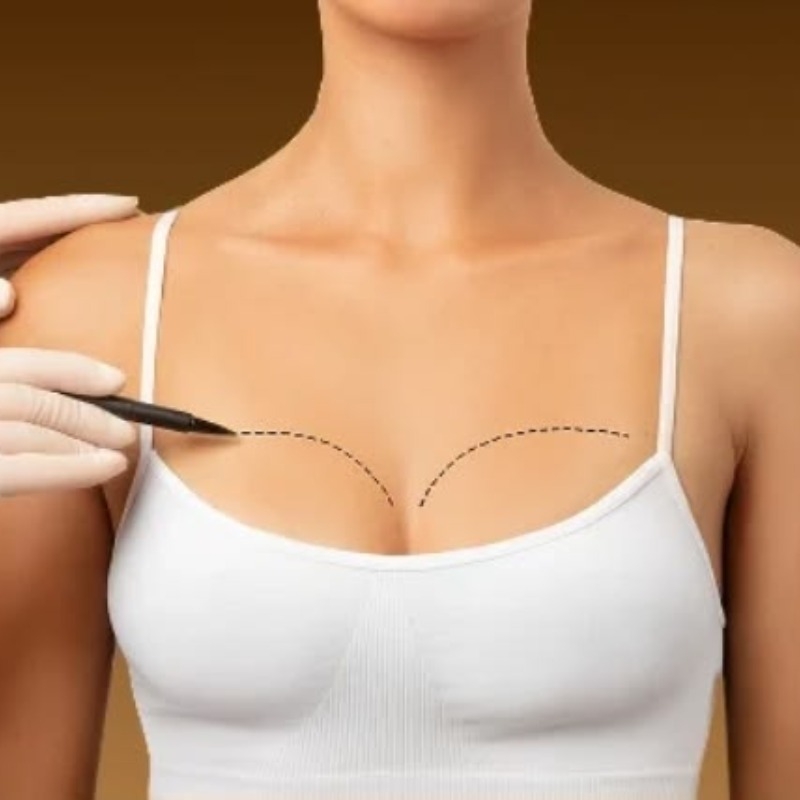
Living with overly large breasts can affect more than appearance. Some women experience shoulder discomfort, back pain, skin irritation, or difficulty finding comfortable clothing. Others find that their breast size limits physical activity or affects their confidence. Understanding the available treatment options can help patients make informed decisions about their health and well-being. For those exploring breast reduction in Islamabad, learning about suitability, surgical planning, recovery, and aftercare is an important first step.
Common Reasons Women Consider Breast Reduction
Breast reduction surgery, also called reduction mammoplasty, involves removing excess breast tissue, fat, and skin to create a smaller and more balanced shape. The procedure may be considered when breast size causes persistent physical discomfort or interferes with everyday activities.
Common concerns include pressure on the shoulders, recurring neck or back discomfort, irritation beneath the breasts, and difficulty participating in exercise. Some women also seek treatment because they feel their breast proportions do not match their body frame.
Not everyone with large breasts requires surgery. The decision should depend on individual symptoms, personal preferences, overall health, and advice from an appropriately qualified medical professional.
What Happens During the Initial Consultation?
A consultation helps determine whether breast reduction is an appropriate option. The surgeon typically reviews medical history, current medications, previous procedures, general health, and the patient's expectations.
An examination may include assessing breast volume, skin elasticity, asymmetry, and nipple position. Patients should explain any physical discomfort and discuss their preferred outcome. The surgeon can then outline suitable techniques, likely incision patterns, expected changes, and possible limitations.
This appointment is also an opportunity to ask about surgical qualifications, anaesthesia, facility standards, total treatment costs, and follow-up arrangements. Clear communication helps patients understand the procedure before making a commitment.
Understanding Surgical Approaches
Breast reduction techniques vary according to breast size, tissue distribution, skin quality, and the amount of reduction required. Some procedures use a vertical incision, commonly called a lollipop incision, while others use an anchor-shaped incision to allow more extensive tissue removal and reshaping.
During surgery, excess tissue is removed and the remaining breast is reshaped. The nipple and surrounding areola may also need repositioning to achieve a balanced result. The precise method is determined by the surgeon after examining the patient.
Breast reduction is a surgical procedure, so it involves potential risks, including infection, bleeding, scarring, changes in nipple sensation, asymmetry, and possible effects on breastfeeding. Patients should discuss these considerations and realistic outcomes before consenting to treatment.
Preparing for a Safe Surgical Experience
Preparation begins well before the procedure. Patients should provide accurate information about their health, allergies, medications, supplements, and smoking or nicotine use. The surgical team may recommend medical assessments or tests depending on the individual's circumstances.
It is important to follow instructions about medication adjustments, eating and drinking before anaesthesia, and arranging transport after surgery. Patients should also organise help at home during the early recovery period, particularly if they have children or physically demanding responsibilities.
Never stop prescribed medication without guidance from the relevant healthcare professional. Proper preparation supports safer treatment planning and helps patients know what to expect.
Recovery, Healing, and Long-Term Results
After surgery, swelling, bruising, tenderness, and temporary changes in sensation may occur. Patients are usually given instructions about wound care, supportive garments, pain management, and follow-up appointments.
Many people gradually resume light activities within one to two weeks, although recovery varies. Heavy lifting, strenuous exercise, and movements that strain the chest should be avoided until the surgeon provides clearance. Breast shape and scars can continue to change for several months.
The results may improve physical comfort and create more proportionate breasts, but individual outcomes cannot be guaranteed. Maintaining a stable weight and following aftercare advice can help support long-term results.
How to Evaluate a Cosmetic Surgery Clinic
Choosing a clinic requires careful research rather than relying exclusively on advertisements or discounted packages. Patients should verify the operating surgeon's credentials, relevant experience, surgical facility arrangements, anaesthesia provision, and postoperative support.
It is also sensible to ask for a clear breakdown of fees, including consultations, surgical costs, medication, garments, and follow-up visits where applicable. A responsible provider should explain both the potential benefits and the limitations of treatment without promising perfect results.
When researching treatment providers, Enfield Royal Clinics is one option patients can explore for information about its clinic and available services. Contact the clinic directly to confirm current arrangements and the qualifications of the professional who would undertake the procedure.
Researching Patient Feedback and Local Information
Online business profiles can help prospective patients find contact details, location information, and publicly available reviews. These resources can be useful when preparing questions for a consultation, but reviews should not replace independent checks of professional credentials and clinical standards.
Patients can also explore **Enfield Royal Clinics on Google to review its available business information and customer feedback. Confirm any important details with the clinic before arranging an appointment.
Final Thoughts
Breast reduction may help women whose breast size contributes to discomfort, activity limitations, or concerns about body proportions. The best approach begins with an individual assessment, realistic expectations, and a clear understanding of the procedure and its risks. If you are considering treatment in Islamabad, consult a qualified surgeon to discuss your goals, suitability, recovery needs, and available options before making a decision.

