


The Importance of Preventive Healthcare: How Regular Blood Tests Help You Stay Healthy
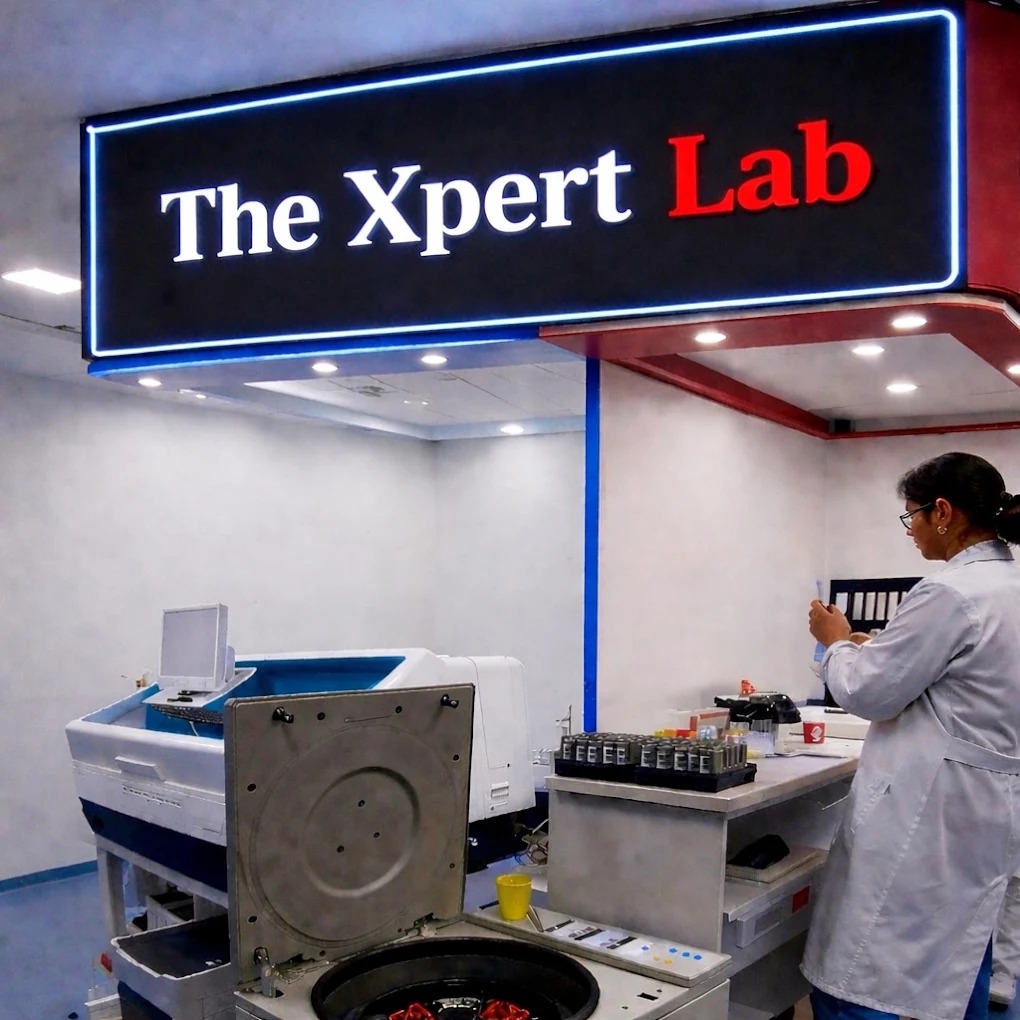
Maintaining good health involves more than eating nutritious food and exercising regularly. Understanding what is happening inside your body is equally important. Certain health conditions, including hormonal disorders, nutritional deficiencies, and organ-related problems, may develop gradually without producing noticeable symptoms. Preventive healthcare helps identify potential health concerns and allows individuals to make informed decisions about their well-being. Regular blood investigations can provide valuable information about different body functions. For example, a Thyroid TSH Test in Delhi can help evaluate thyroid function and identify possible abnormalities when recommended by a healthcare professional.
1. What Is Preventive Healthcare and Why Does It Matter?
Preventive healthcare focuses on maintaining good health and identifying potential medical concerns before they become more complicated.
Instead of waiting for symptoms to become severe, preventive healthcare encourages regular medical consultations, appropriate diagnostic testing, and healthy lifestyle choices.
Some important benefits include:
-
Monitoring important health indicators.
-
Identifying possible nutritional deficiencies.
-
Evaluating hormonal health.
-
Assessing liver and kidney function.
-
Monitoring existing medical conditions.
-
Supporting early medical intervention when needed.
The type and frequency of health checkups depend on factors such as age, family history, lifestyle, and existing medical conditions.
2. Why Regular Blood Tests Are Important
Blood tests are among the most commonly used diagnostic tools in preventive healthcare. They help doctors evaluate different substances present in the bloodstream and understand how certain organs and body systems are functioning.
Depending on your health requirements, your doctor may recommend different investigations.
Common blood tests include:
Complete Blood Count (CBC): Helps evaluate red blood cells, white blood cells, haemoglobin, and platelets.
Blood Glucose Test: Helps assess blood sugar levels and identify possible glucose regulation problems.
Lipid Profile: Measures cholesterol and triglyceride levels to evaluate cardiovascular risk.
Thyroid Function Test: Helps assess thyroid hormone regulation.
Liver and Kidney Function Tests: Provide information about important organ functions.
These investigations should be selected according to individual medical requirements rather than performed without a specific reason.
3. Understanding Thyroid Health Through Blood Testing
The thyroid gland produces hormones that regulate metabolism, body temperature, heart rate, and energy levels.
When thyroid hormone production becomes abnormal, several physical changes may occur.
An underactive thyroid, known as hypothyroidism, may cause:
-
Persistent tiredness.
-
Unexplained weight gain.
-
Dry skin.
-
Constipation.
-
Increased sensitivity to cold.
An overactive thyroid, known as hyperthyroidism, may contribute to unexplained weight loss, sweating, anxiety, and a rapid heartbeat.
A Thyroid-Stimulating Hormone (TSH) test measures TSH levels in the blood. Doctors may recommend additional T3 and T4 investigations depending on the results and symptoms.
Regular thyroid monitoring may be particularly useful for individuals already diagnosed with thyroid disorders.
4. Vitamin D Testing and Its Role in Preventive Health
Vitamin D is essential for calcium absorption, bone strength, and normal muscle function. It also supports several biological processes involved in maintaining overall health.
Limited sunlight exposure, inadequate dietary intake, and certain medical conditions can contribute to vitamin D deficiency.
Possible symptoms include:
-
Muscle weakness.
-
Bone discomfort.
-
Reduced muscle strength.
-
Bone tenderness.
-
Increased risk of bone-related problems.
A Vitamin D3 Test in Delhi measures 25-hydroxyvitamin D levels in the blood and helps determine whether vitamin D levels are adequate.
Maintaining a balanced diet, getting appropriate sunlight exposure, and following medical advice about supplementation can support healthy vitamin D levels.
5. Why Liver and Kidney Health Should Not Be Ignored
The liver and kidneys perform essential functions that help maintain the body's internal balance.
The liver processes nutrients, produces important proteins, and helps metabolise different substances. Certain liver conditions may develop without noticeable symptoms during their early stages.
The kidneys filter waste products from the blood and regulate fluid and electrolyte balance. Changes in kidney function may affect these processes and sometimes cause swelling or changes in urination.
Regular health monitoring may help doctors identify abnormalities and recommend further investigations when necessary.
6. Simple Lifestyle Habits That Support Better Health
Along with appropriate medical testing, maintaining healthy daily habits is important for long-term well-being.
Consider incorporating these practices into your routine:
-
Eat balanced meals: Include vegetables, fruits, whole grains, and suitable protein sources.
-
Stay physically active: Engage in regular exercise according to your fitness level.
-
Maintain adequate hydration: Drink sufficient water throughout the day.
-
Prioritise sleep: Maintain a consistent sleep schedule.
-
Manage stress: Practise relaxation techniques and spend time on activities you enjoy.
-
Avoid unhealthy habits: Limit excessive alcohol consumption and avoid tobacco.
These habits support overall health but cannot replace medical evaluation when symptoms or risk factors are present.
7. Choose Appropriate Diagnostic Tests for Better Health Monitoring
Preventive healthcare is about understanding your health requirements and taking suitable steps at the right time. If you experience persistent fatigue, unexplained weight changes, swelling, or other unusual symptoms, consult a healthcare professional.
Depending on your medical history and symptoms, your doctor may recommend a Liver Function Test, LFT in Delhi and a Kidney Function Test, KFT in Delhi to evaluate important aspects of organ health.
At The Xpert Lab, you can explore diagnostic testing options in Delhi to support your preventive healthcare needs. Appropriate blood investigations, regular medical consultations, and healthy lifestyle choices can help you stay informed about your body's condition. Remember that no single blood test provides a complete picture of your health. The right combination of investigations, selected according to medical advice, can support better health monitoring and informed healthcare decisions.

