


Why Do Household Drains Keep Getting Clogged, and How Can You Prevent It?
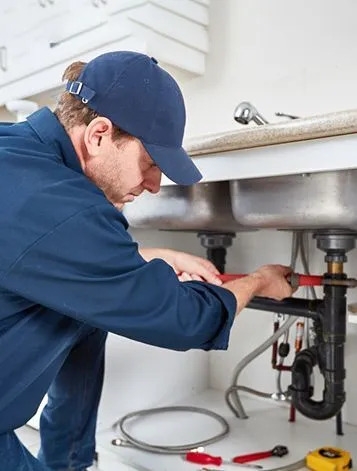
A slow-draining sink can seem like a minor inconvenience at first. Water may take a little longer to disappear after washing dishes, or a shower may leave a shallow pool around your feet. However, when these problems keep returning, they can indicate a buildup inside the plumbing system that needs attention.
Household drains handle wastewater every day, carrying away soap, food residue, hair, and other materials. Over time, some of these substances accumulate inside pipes and restrict the flow of water. Understanding what causes blockages and adopting a few practical habits can help homeowners maintain a healthier plumbing system and avoid unexpected disruptions.
What Causes Household Drains to Become Blocked?
Different drains collect different types of waste. Kitchen sinks commonly develop blockages because of cooking grease, food scraps, and oily residue. Although grease may flow easily when warm, it can cool and stick to the inner surfaces of pipes. Other particles gradually attach to this layer, making the passage narrower.
Bathroom drains often collect hair, soap residue, and personal care products. These materials can combine into stubborn clumps around drain openings and inside pipes. Toilets can also become blocked when unsuitable items, such as wipes, paper towels, or excessive toilet paper, are flushed.
In some properties, recurring drainage problems originate farther down the plumbing system. Tree roots may enter damaged sewer pipes, while older or deteriorating pipes can develop cracks and uneven sections where debris accumulates. Identifying the underlying cause is important because clearing a visible obstruction may not resolve a deeper problem.
How Can You Prevent Kitchen Sink Clogs?
Good kitchen habits can significantly reduce the amount of waste entering household drains. Scrape food scraps into the rubbish or compost bin before washing dishes. Even when a sink has a garbage disposal, avoid treating it as a substitute for proper waste disposal.
Cooking oil, butter, and grease should never be poured directly into the sink. Allow them to cool before placing them in an appropriate container for disposal. Use a sink strainer to catch small food particles, and clean it regularly to prevent residue from entering the drain.
Running water during ordinary dishwashing helps move suitable waste through the pipes, but it cannot prevent grease from accumulating over time. If the sink repeatedly drains slowly despite careful use, a professional inspection may reveal a blockage that household cleaning cannot resolve.
Keep Bathroom Drains Clear With Simple Habits
Hair is one of the most common reasons bathroom sinks, showers, and bathtubs drain slowly. Installing a removable drain cover can catch much of this material before it enters the plumbing system. Clean the cover frequently rather than allowing hair and soap residue to collect around it.
Avoid flushing cotton swabs, sanitary products, dental floss, wipes, or other non-flushable items down the toilet. Products labelled as flushable may still contribute to blockages, particularly when combined with grease or other debris farther along the sewer line.
For persistent problems, homeowners consult a plumber north york and recommend inspecting the affected drain to determine whether the blockage is caused by surface debris, deeper buildup, or damaged piping. This assessment helps establish an appropriate solution instead of relying on repeated temporary fixes.
Are Household Drain-Cleaning Methods Always Safe?
Minor obstructions near a drain opening can sometimes be removed manually after the water supply is safely managed and suitable precautions are taken. A plunger may also help loosen certain blockages when used correctly. However, forcing tools into a pipe without understanding the obstruction can damage plumbing components or push debris farther into the system.
Chemical drain cleaners require particular caution. Some products generate heat or contain corrosive ingredients that may harm pipes, damage finishes, or cause injuries if handled incorrectly. Never mix different cleaning products, especially bleach and acidic cleaners, because dangerous gases can form.
Pouring boiling water into a drain is not always advisable either. Very hot water can damage some plastic piping or plumbing seals, and it may not remove an established blockage. Follow manufacturer guidance and use only methods appropriate for the fixtures and pipe materials in your home.
When Should You Call a Professional?
An isolated slow drain may be manageable with basic maintenance, but repeated blockages deserve closer attention. If the same sink becomes clogged shortly after cleaning, there may be substantial buildup inside the pipe or a problem farther along the drainage line.
Pay attention when several fixtures drain slowly at the same time. Gurgling sounds, unpleasant sewer odours, water backing up into a bathtub when a toilet is flushed, or wastewater returning through a floor drain can indicate a main-line obstruction. These symptoms should not be ignored.
North York residents can contact for a plumber north york recurring drain problems can assess the plumbing system and determine whether mechanical cleaning, hydro-jetting, or a camera inspection is appropriate. A drain camera can help locate hidden obstructions, root intrusion, or damaged pipe sections. The right approach depends on the pipe's condition and the location of the blockage.
Professional attention is particularly important when wastewater backs up into the home. Avoid using affected fixtures, keep people and pets away from contaminated water, and arrange appropriate assistance. Prompt action can limit property damage and reduce exposure to harmful microorganisms.
Make Drain Maintenance Part of Your Routine
Consistent maintenance is more effective than waiting for water to stop flowing completely. Check sink and shower drains periodically, clean strainers, dispose of kitchen grease correctly, and watch for changes in drainage speed. Homes with older plumbing or a history of sewer problems may benefit from periodic professional inspections.
A plumber north york homeowners rely on for drainage concerns can also help identify recurring issues and recommend maintenance based on the property's plumbing condition. Keeping records of repeated blockages may help reveal patterns and guide future repairs.
Ultimately, preventing clogged drains begins with everyday habits and recognizing warning signs early. When simple maintenance no longer works, investigating the cause can help protect the plumbing system and keep household water flowing properly.

