


Stable Fluid Delivery for Crop Protection Systems
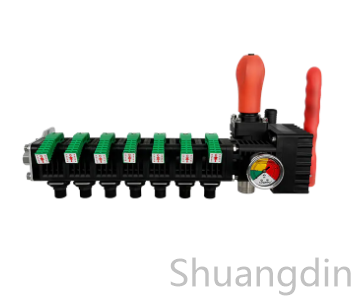
Agricultural pesticide handling requires pumping equipment that can transfer chemical formulations reliably while maintaining appropriate sealing and fluid control. Unlike general water transfer, pesticide applications may involve liquids with different chemical compositions, viscosities, and material compatibility requirements. Pump selection therefore needs to consider the characteristics of the formulation as well as the mechanical demands of the spraying system. A well-designed Diaphragm Pump For Pesticides combines a suitable pumping mechanism with compatible wetted materials and dependable manufacturing quality.
The diaphragm operating principle uses a flexible membrane to create alternating suction and discharge movements. When the membrane moves away from the pumping chamber, liquid enters through the inlet. When it moves back, the liquid is pushed toward the discharge outlet. Check valves control the direction of flow and help maintain the pumping process. Since the diaphragm separates the liquid chamber from selected drive components, the design can limit direct contact between the pesticide formulation and parts of the mechanical drive system.
Chemical compatibility is one of the most important factors in pump construction. Different pesticide formulations may contain active ingredients, solvents, surfactants, or other additives that interact differently with pump materials. A diaphragm that performs well with one formulation may not be suitable for another. Elastomers must maintain flexibility and sealing ability under the expected chemical exposure, while housing materials need to withstand both mechanical loads and contact with the liquid. Seals, valve components, and connection materials also require careful evaluation because they are part of the wetted system.
The selection process should consider the actual chemical formulation rather than relying only on broad product categories. Manufacturers and equipment buyers should review material compatibility information supplied by the chemical producer and pump manufacturer. Temperature, concentration, exposure duration, and cleaning procedures can all influence material behavior. When multiple formulations are used in the same spraying system, compatibility should be checked for each one. This helps reduce the risk of swelling, cracking, loss of elasticity, or deterioration of sealing surfaces.
Internal pump design contributes to controlled liquid movement. The pumping chamber, valve seats, and connecting passages must be manufactured accurately to support consistent suction and discharge. Reliable valve action helps reduce reverse flow, while properly finished sealing interfaces minimize leakage. Diaphragm movement should remain stable throughout the operating cycle without creating excessive mechanical stress. These details are influenced by engineering design, component quality, and the precision of the final assembly.
Manufacturing controls are essential for products intended for chemical handling. Material inspection helps verify that components meet the required production standards, while dimensional checks support correct fitting between housing sections and sealing surfaces. Assembly procedures should maintain consistent diaphragm positioning and fastening. Functional testing and leakage inspections can help identify defects before products are delivered. For agricultural machinery manufacturers, repeatable product quality is important because pump variations may affect the performance of complete spraying systems.
System integration also requires attention. The pump must work with the chemical tank, suction hose, filter, pressure regulator, discharge lines, and spray nozzles. Filters help prevent particles from entering the pump, but excessive contamination can cause blockage and restrict liquid supply. Hose materials and fittings must be suitable for the intended formulation. Proper mounting and secure connections help reduce vibration-related problems and prevent air leakage that could interfere with fluid delivery.
Maintenance and cleaning procedures should be established according to the chemicals being handled. Operators should inspect hoses, connections, filters, valves, and visible pump surfaces for signs of damage or leakage. Changes in flow, unusual noise, or unstable spraying may indicate a blocked passage, worn valve, or diaphragm problem. After use, the system should be flushed in accordance with the chemical label and equipment manufacturer's instructions. Cleaning agents must also be compatible with the pump materials, and chemical residues should be handled according to applicable safety and disposal requirements.
For agricultural equipment manufacturers, chemical distributors, and sprayer suppliers, choosing a suitable Diaphragm Pump For Pesticides requires a balanced evaluation of material compatibility, operating conditions, sealing performance, and maintenance needs. Confirming the intended formulation with the pump supplier before purchase helps reduce compatibility risks and supports more reliable equipment operation. SHUANG DIN Co Ltd. provides agricultural diaphragm pump solutions for chemical fluid handling applications, with further information available at https://www.agriculturaldiaphragmpump.com/about/.

