


How to Evaluate Construction Machinery for Road Development Projects
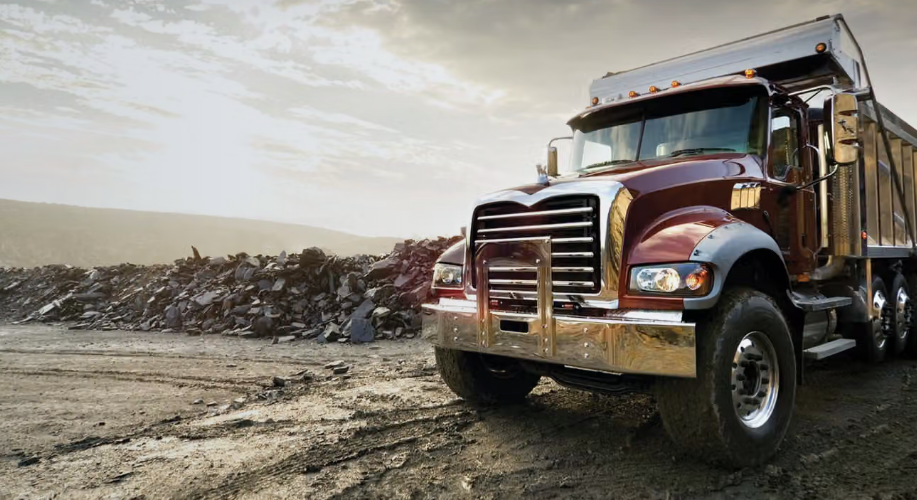
Road development projects require reliable machinery to prepare surfaces, move materials, and complete demanding earthwork operations. Selecting equipment that matches the project's scale and terrain can help contractors maintain schedules, manage costs, and improve overall productivity.
Understand the Project Requirements
Before selecting machinery, contractors should evaluate the road's length, ground conditions, soil composition, and construction timeline. Projects involving uneven terrain or extensive earthmoving may require different equipment from those focused on smaller road repairs.
A clear assessment helps businesses determine which machines are essential and how frequently each will be used.
Select Equipment for Specific Tasks
Different machines serve different purposes on road construction sites. Excavators support digging and earth removal, wheel loaders handle loose materials, and dump trucks transport soil and aggregates. Other projects may require graders, rollers, or specialized equipment for surface preparation.
Matching each machine to its intended task helps reduce unnecessary movements and improves coordination between work crews.
Compare Equipment Specifications
Contractors should examine engine performance, operating capacity, fuel consumption, machine dimensions, and compatibility with site conditions. Equipment that is too small may slow progress, while an oversized machine may increase operating costs or struggle in restricted spaces.
Businesses comparing Construction Equipment Sales options should assess specifications alongside maintenance history, expected operating expenses, and the availability of technical support.
Prioritize Safety and Operator Training
Road construction sites can expose workers to moving machinery, uneven surfaces, dust, and nearby traffic. Operators should receive appropriate training and understand the safety requirements for their equipment.
Daily inspections, clear traffic routes, functioning warning systems, and suitable personal protective equipment can help reduce workplace risks.
Plan Maintenance Around Project Schedules
Unexpected equipment failure can interrupt several stages of a road project. Preventive maintenance, regular fluid checks, timely filter replacement, and inspections of tires or tracks help keep machinery operational.
Project managers should schedule servicing where possible and coordinate backup arrangements for critical machines.
Monitor Productivity and Operating Costs
Tracking fuel usage, machine hours, maintenance expenses, and completed work helps contractors understand equipment performance. These records can identify inefficient practices and support better decisions on future projects.
Regular reviews also help managers allocate machinery where it can deliver the greatest practical benefit.

