


Why Annual Health Screenings Are Important for Maintaining Long-Term Wellness
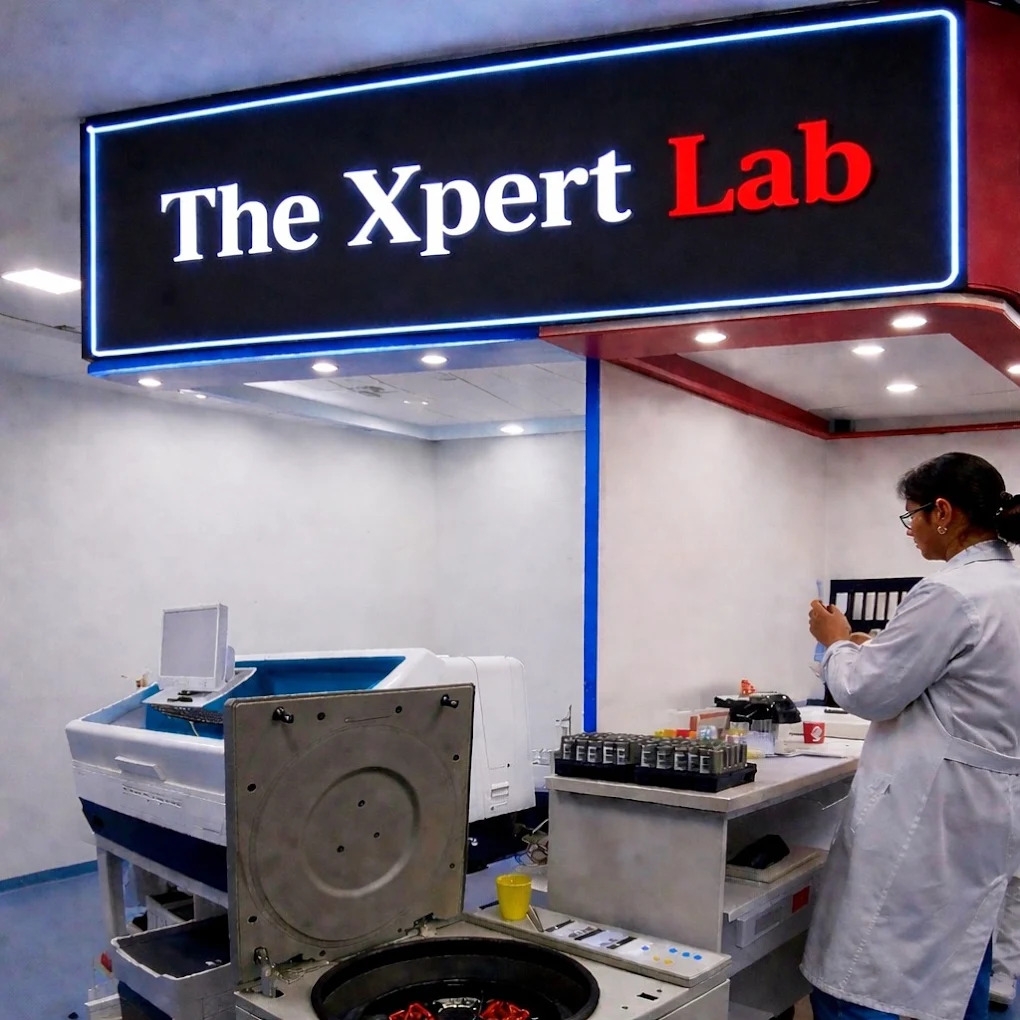
Maintaining good health requires consistent attention, healthy lifestyle choices, and timely medical assessments. In a busy city like Delhi, long working hours, traffic-related stress, irregular eating habits, and limited physical activity can influence overall well-being. Many health conditions develop gradually without showing noticeable symptoms during their early stages. Regular health screenings help individuals understand their body's condition and identify potential abnormalities before they become serious. For example, a Thyroid TSH Test in Delhi can help evaluate thyroid function and identify possible hormonal imbalances. Including appropriate blood tests in your annual healthcare routine can support early identification of health concerns and encourage better preventive care.
1. What Is an Annual Health Screening?
An annual health screening involves a healthcare assessment designed to evaluate important aspects of your physical well-being. Depending on your age, medical history, and risk factors, a doctor may recommend different blood tests and other investigations.
Some common objectives of health screenings include:
-
Identifying possible health abnormalities.
-
Monitoring existing medical conditions.
-
Assessing important organ functions.
-
Evaluating nutritional deficiencies.
-
Supporting timely medical consultation.
Annual screening does not mean every individual needs the same tests every year. The appropriate frequency depends on personal health requirements and professional medical advice.
2. Why Should You Not Ignore Preventive Healthcare?
Many people visit a diagnostic laboratory only when they experience discomfort or illness. However, certain conditions, such as diabetes, thyroid disorders, and kidney problems, may remain unnoticed during their early stages.
Preventive healthcare offers several advantages:
Early Identification: Certain abnormalities can be detected before noticeable symptoms appear.
Better Health Monitoring: Regular investigations help track changes in important health parameters.
Informed Medical Decisions: Test results provide doctors with useful information for recommending further evaluation or treatment.
Lifestyle Awareness: Health assessments can encourage individuals to improve their diet, exercise routine, and sleeping habits.
Long-Term Wellness: Monitoring health parameters helps individuals take a more proactive approach to their well-being.
3. Thyroid TSH Test: Understanding Hormonal Balance
The thyroid gland is responsible for producing hormones that regulate metabolism, energy levels, body temperature, and several important bodily functions.
Thyroid-related conditions can affect people of different age groups. An imbalance in thyroid hormone production may lead to changes in metabolism and overall physical health.
The Thyroid Stimulating Hormone (TSH) test measures the amount of TSH in the bloodstream. It helps evaluate how effectively the thyroid gland is being regulated.
Common symptoms associated with thyroid disorders include:
-
Unexplained weight gain or weight loss.
-
Persistent fatigue.
-
Hair thinning or hair loss.
-
Mood changes.
-
Sensitivity to cold or heat.
-
Irregular menstrual cycles.
An abnormal TSH result may indicate an underactive or overactive thyroid. Doctors may recommend additional tests, such as Free T3 and Free T4, depending on the results.
4. Vitamin D3 Test: Checking Your Nutritional Health
Vitamin D3 is essential for maintaining healthy bones, supporting calcium absorption, and ensuring normal muscle function. It also contributes to the proper functioning of the immune system.
Despite living in a sunny region, many individuals may experience vitamin D deficiency because of limited sunlight exposure, indoor working environments, dietary habits, or certain medical conditions.
A Vitamin D3 Test in Delhi measures the level of 25-hydroxyvitamin D in the blood to assess vitamin D status.
Possible signs associated with vitamin D deficiency include:
-
Bone discomfort.
-
Muscle weakness.
-
Frequent tiredness.
-
Reduced bone strength.
-
Increased risk of bone-related complications.
People who spend most of their time indoors or have certain medical conditions may benefit from testing when recommended by a healthcare professional.
Based on the results, doctors may suggest dietary improvements, suitable sunlight exposure, or vitamin D supplementation.
5. Liver Function Test: Why Liver Monitoring Matters
The liver performs several essential functions, including processing nutrients, supporting digestion, producing proteins, and metabolising medications.
Unhealthy dietary habits, excessive alcohol consumption, fatty liver disease, certain infections, and some medications may affect liver health.
A Liver Function Test (LFT) measures different enzymes, proteins, and substances associated with liver function.
Important parameters include:
-
ALT (SGPT): Helps identify possible liver cell injury.
-
AST (SGOT): May increase due to liver or muscle injury.
-
ALP: Helps evaluate certain liver and bile duct conditions.
-
Bilirubin: Provides information about the processing of red blood cell breakdown products.
-
Albumin: Helps assess the liver's protein-producing function.
Abnormal results do not automatically confirm liver disease. Doctors interpret these values alongside symptoms, medical history, and other investigations.
6. Kidney Function Test: Keeping Your Kidneys Healthy
The kidneys filter waste products from the blood, maintain fluid balance, and regulate essential electrolytes.
Conditions such as diabetes and high blood pressure can increase the risk of kidney-related problems. Regular monitoring may be particularly important for individuals with these risk factors.
A Kidney Function Test (KFT) helps assess kidney health through several parameters:
-
Creatinine: Helps evaluate kidney filtration.
-
Blood Urea: Measures a waste product removed through the kidneys.
-
Uric Acid: Measures a substance produced during purine breakdown.
-
Electrolytes: Help monitor the body's mineral balance.
-
eGFR: Estimates how efficiently the kidneys filter blood.
Doctors may also recommend urine investigations to obtain additional information about kidney health.
7. Simple Ways to Improve Your Health Between Checkups
Regular testing should be supported by healthy daily habits. Consider following these practical recommendations:
-
Eat balanced meals containing fruits, vegetables, and whole grains.
-
Include regular physical activity in your routine.
-
Maintain adequate hydration.
-
Avoid excessive consumption of processed foods.
-
Follow a consistent sleeping schedule.
-
Manage stress through healthy activities.
-
Avoid self-medication and unnecessary supplements.
-
Follow your doctor's recommendations for health screenings.
8. Choose The Xpert Lab for Preventive Health Testing in Delhi
Taking a proactive approach to healthcare starts with understanding your body's needs and choosing appropriate diagnostic investigations. Whether you require a Liver Function Test, LFT in Delhi or a Kidney Function Test, KFT in Delhi, regular monitoring can provide valuable information about important body functions. The Xpert Lab offers diagnostic testing services to help individuals monitor their health and make informed healthcare decisions. Explore the available full-body checkup options in Delhi and consult your healthcare professional to determine which investigations are appropriate for your age, lifestyle, and medical history. Remember, annual health screenings, professional guidance, and healthy daily habits can together support better long-term wellness.

