


Why Natural Slate Roofing Has Stood the Test of Time
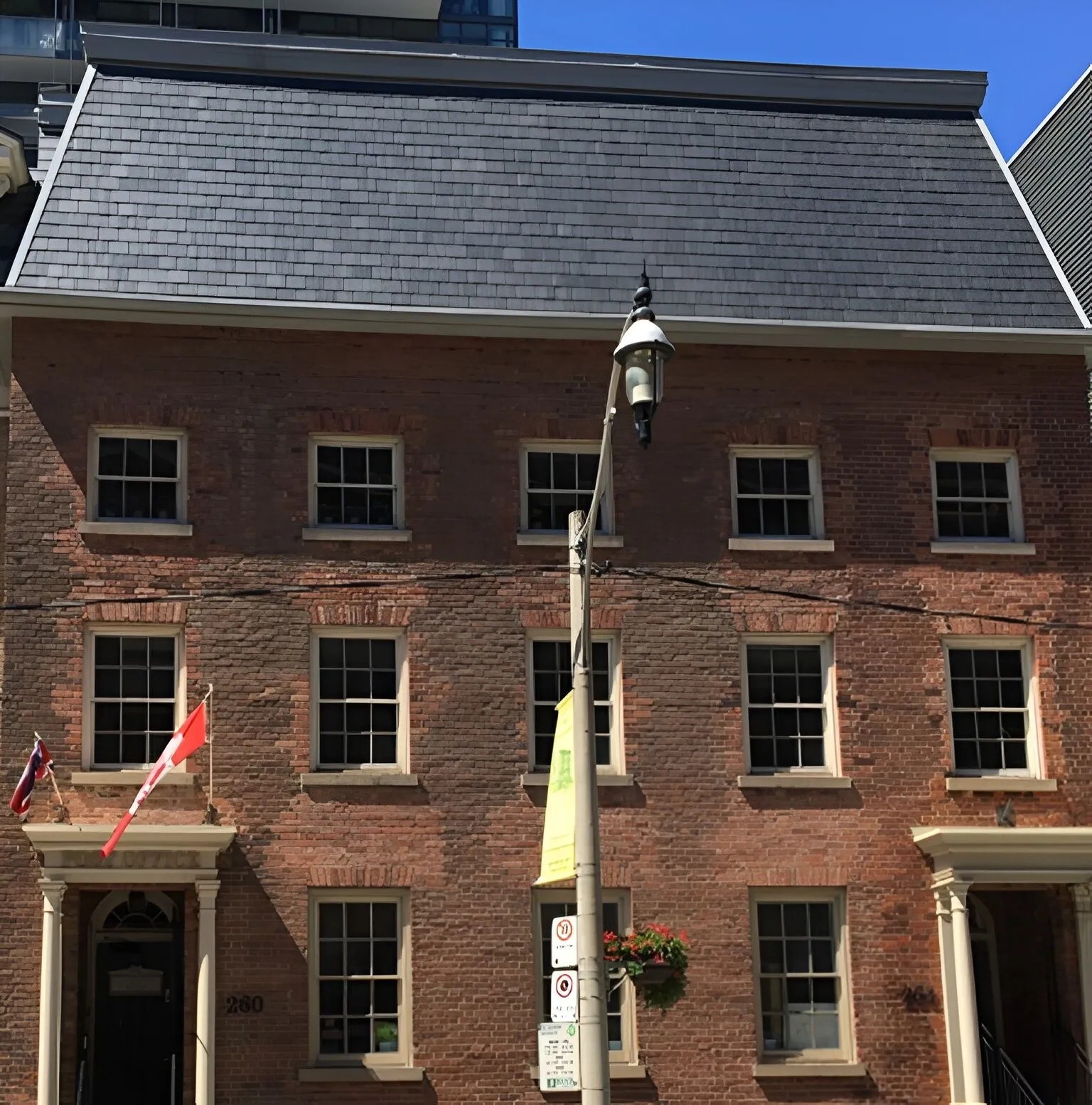
Choosing a roofing material involves considering durability, appearance, weather resistance, and long-term maintenance. Natural slate remains a popular choice for residential and historic buildings because of its distinctive texture and lasting performance. Formed through geological processes over millions of years, this natural stone offers qualities that differ from manufactured roofing products. Understanding its characteristics helps property owners determine whether slate is suitable for their building and climate.
How Natural Slate Is Formed
Natural slate is a metamorphic rock formed when shale or other clay-rich sedimentary rocks undergo heat and pressure. These geological processes create a layered structure that allows the stone to be split into thin, flat pieces. This quality makes slate suitable for roofing, where overlapping pieces help protect buildings from rain and other weather conditions. Its natural formation also gives each variety distinct characteristics based on its mineral composition and geological origin.
Colours and Natural Appearance
One of the main features of natural slate is its range of colours. Depending on the quarry and mineral content, it may appear in shades of black, grey, green, purple, or red. Some varieties have consistent colouring, while others display subtle variations across individual pieces. These differences allow property owners to select roofing materials that complement the building's architecture and surrounding landscape.
Texture also contributes to the appearance of a finished roof. Certain varieties have relatively smooth surfaces, while others show visible grain or natural variations. A slate tile roof can feature a consistent colour or a carefully selected combination of shades, creating different visual effects. Reviewing physical samples before installation helps establish how the materials will look together and whether they suit the property's exterior.
Durability and Weather Resistance
Natural slate is valued for its potential to last for decades when the correct material is installed properly. Its service life depends on the stone's quality, installation methods, roof design, and maintenance. Choosing a suitable grade is especially important in regions exposed to heavy rainfall, snow, freezing temperatures, or significant seasonal changes.
Water absorption is an important consideration when evaluating roofing slate. Materials that absorb less water may perform better in environments where repeated freezing and thawing can damage unsuitable stone. However, performance varies between varieties, so technical specifications should be reviewed before selecting a product. Slate is also noncombustible, although the fire performance of a complete roofing system depends on its other components and applicable building requirements.
Slate tile can offer lasting weather protection when installed according to the manufacturer's specifications. Roof pitch, fastening methods, and suitable underlayment all influence how effectively the complete system manages rainwater and withstands changing weather conditions.
Understanding Slate Quality
Not all natural slate has the same physical properties. Differences in mineral composition and geological formation can influence strength, durability, and resistance to weathering. In North America, ASTM C406 provides a recognised classification system for roofing slate, helping buyers assess material quality and expected service life.
When comparing a slate tile product, property owners should consider its grade, thickness, dimensions, and technical documentation rather than relying on colour alone. Consistency in thickness and shape can also influence installation and the finished roof's appearance. Asking suppliers about the stone's origin and relevant testing provides useful information when comparing available options.
Weight and Structural Requirements
Natural slate is generally heavier than many conventional roofing materials. Before installation, the building's roof structure should be assessed to confirm that it can support the additional load. This is particularly important when replacing asphalt shingles or another lightweight material with natural stone. Structural adjustments may be necessary depending on the building's existing construction.
Proper installation is equally important. Roofing professionals must consider roof pitch, overlapping courses, fastening methods, underlayment, and flashing around chimneys, valleys, and skylights. These details help direct water away from vulnerable areas and reduce the risk of leaks. Using experienced installers can help ensure that the roofing system meets the building's requirements and local codes.
Maintenance and Long-Term Care
Although natural slate can have a long service life, regular inspections help identify problems before they become serious. Cracked pieces, loose fasteners, damaged flashing, and blocked gutters can affect roof performance if left unattended. Inspections are particularly useful after severe weather or when signs of moisture appear inside the building.
Slate can crack under concentrated pressure, so walking directly on the roof without appropriate equipment and experience should be avoided. Repairs are best handled by qualified roofing professionals who understand how to remove and replace damaged pieces without affecting surrounding materials. Keeping drainage systems clear and addressing minor issues promptly can help preserve the roof's condition.
Choosing Slate for Your Building
Natural slate offers a distinctive appearance, durability, and a range of colours that suit many architectural styles. However, its suitability depends on the building's structure, local climate, material quality, and installation requirements. Property owners should compare specifications and consider the complete project cost, including labour, structural preparation, and ongoing maintenance.
With careful planning and professional installation, natural slate can provide long-lasting roof protection while maintaining the character of a building. Understanding its properties before making a decision helps ensure that the selected material meets both practical needs and aesthetic preferences.

