


Panacur for Dogs
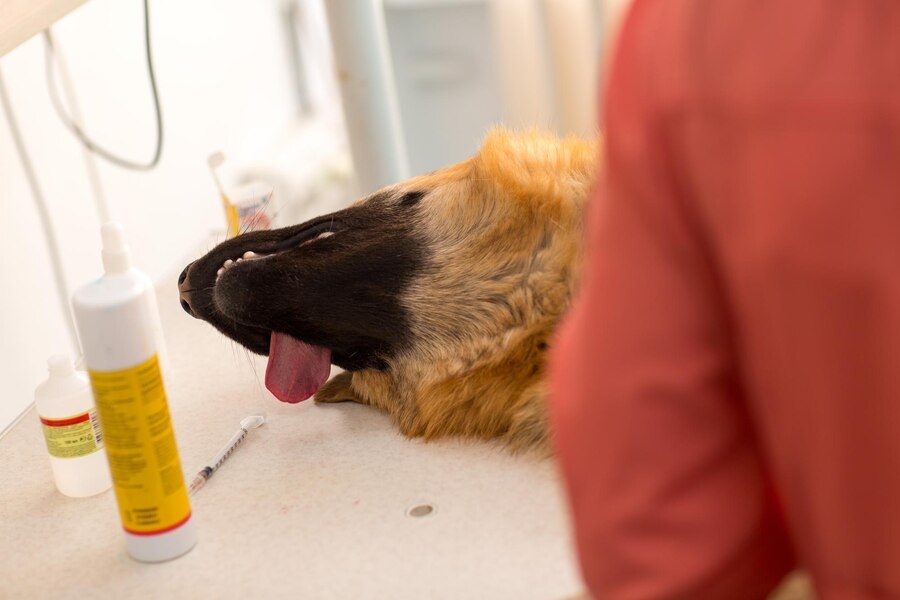
Panacur Australia is a veterinary deworming medication commonly used to treat intestinal parasites in dogs. Its active ingredient, fenbendazole, belongs to the benzimidazole class of antiparasitic medicines. It helps eliminate several types of intestinal worms and supports better digestive health in dogs. Veterinarians may recommend Panacur for puppies and adult dogs when an appropriate parasitic infection is identified.
What Is Panacur Used for in Dogs?
Panacur is primarily used to control and treat intestinal worm infections. Fenbendazole works against several common parasites that can affect a dog's digestive system.
Depending on the product formulation and veterinary recommendation, Panacur may be used against:
Roundworms: These parasites live in the intestines and can cause vomiting, diarrhoea, weight loss, and a swollen abdomen.
Hookworms: Hookworms attach to the intestinal lining and feed on blood, potentially causing anaemia, weakness, and digestive problems.
Whipworms: These worms can irritate the large intestine and lead to diarrhoea, weight loss, and abdominal discomfort.
Certain tapeworm species: Fenbendazole may help control specific tapeworm infections, although not all tapeworms respond to it.
Giardia: Veterinarians may prescribe fenbendazole as part of a treatment plan for Giardia, a microscopic intestinal parasite that can cause diarrhoea.
The exact parasites treated depend on the product, dosage, and veterinary assessment.
How Does Panacur Work in Dogs?
Panacur works by interfering with the internal biological processes that parasites need to survive. Its active ingredient, fenbendazole, binds to parasite beta-tubulin and disrupts the formation of microtubules.
Microtubules are essential for nutrient absorption, cellular functions, and energy production. When these processes are disrupted, susceptible parasites cannot obtain the energy they need to survive. They gradually become weakened and die.
The dog's digestive system then helps eliminate the affected parasites through bowel movements. Panacur is generally well tolerated when administered according to veterinary instructions.
Key Benefits of Panacur for Dogs
Panacur offers several benefits when used appropriately for diagnosed parasitic infections.
1. Broad-Spectrum Parasite Control
One of its main advantages is its activity against several intestinal parasites. This makes it useful when dogs are affected by common roundworms, hookworms, whipworms, or certain other susceptible parasites.
2. Supports Digestive Health
Intestinal parasites can interfere with digestion and nutrient absorption. Treating an infection may help improve digestive comfort and reduce parasite-related diarrhoea.
3. Suitable for Different Life Stages
Veterinarians may recommend appropriate Panacur formulations for puppies and adult dogs. However, the correct product and dose depend on the dog's age, weight, and health condition.
4. Helps Manage Giardia
Fenbendazole is sometimes used to manage Giardia infections in dogs. Treatment may be combined with environmental cleaning and hygiene measures to reduce reinfection.
5. Available in Different Formulations
Panacur products are available in different formulations, including tablets, granules, and oral suspensions, depending on the market. This provides flexibility when choosing a suitable administration method.
Panacur Dosage for Dogs
The correct Panacur dosage depends on the dog's body weight, age, infection type, and product strength. Veterinary professionals determine the appropriate amount and treatment duration.
Different infections may require different treatment schedules. For example, Giardia treatment may involve a different course from routine intestinal worm treatment.
Owners should carefully follow the product label and veterinary instructions. Do not increase, reduce, or repeat a dose without professional guidance. Puppies, pregnant dogs, and dogs with existing health problems may require additional assessment.
Possible Side Effects of Panacur
Most dogs tolerate fenbendazole well, but some may experience mild side effects. These can include:
Vomiting or nausea
Loose stools or diarrhoea
Reduced appetite
Temporary digestive discomfort
Occasional tiredness
Side effects are generally uncommon and often temporary. However, contact a veterinarian if symptoms become severe, continue, or include blood in the stool, repeated vomiting, or unusual weakness.
Important Safety Precautions
Before administering Panacur, consult a veterinarian to confirm the suspected parasite and appropriate treatment. Avoid using products intended for other animal species unless specifically prescribed.
Always check the active ingredient, concentration, and expiration date. Store the medication according to the manufacturer's instructions and keep it away from children and pets.
Good hygiene is also important. Clean your dog's bedding, remove faeces promptly, wash food and water bowls, and maintain a clean living environment. These measures can help reduce exposure to parasite eggs and reinfection.
Conclusion
Panacur is a widely used veterinary deworming medication that helps manage several intestinal parasitic infections in dogs. Containing fenbendazole, it works by disrupting essential parasite functions and supporting their elimination from the digestive tract. When selected and administered under veterinary supervision, Panacur can be an effective part of a dog's parasite-control plan. Regular veterinary check-ups, appropriate faecal testing, and good hygiene further support long-term digestive health.

